Merced County well-water quality raises concerns for unincorporated residents
More than half of the private domestic wells in unincorporated Merced County tested over the state’s safe drinking limit for at least one contaminant. Residents in rural portions of the county are impacted by several types of pollution, including pesticides, exhaust from farm equipment and groundwater contaminants.
The county has over 5,700 domestic wells built since 1977, according to the state’s well completion reports. Around 3,300 are registered as active, according to county records, but the true number of domestic wells is likely much higher.
In Merced County, the majority of residents are Spanish-speaking and the median income is two-thirds the state average, at just under $65,000 per household.
The Valley Water Collaborative, a nonprofit that provides free well testing and water replacement, tested around 330 county wells between September 2022 and mid-December 2025.
Of wells tested, over half contained nitrate at a level deemed unsafe by federal and state drinking water standards. Nitrate trickles down into the groundwater aquifers from dairies, fertilizer and areas with a high density of septic tanks.

Nitrate can cause serious health concerns for pregnant women and children under the age of 6 months when ingested. Infants who consume nitrate may develop “blue baby syndrome,” a rare but potentially fatal condition that prevents oxygen from moving through the bloodstream.
In a neighborhood near the UC Merced campus, just northeast of the city boundaries, large houses sit on lots with front yards shaded by mature fir trees. Most of its homes were built before 2000.
All six wells clustered within a half-mile radius had nitrate above a safe level.
One resident of the neighborhood, Denise Glassett, said she was aware her water exceeds the safe drinking limit.
Last fall, she had her well water tested by the Valley Water Collaborative after neighbors warned her about nitrate contamination in the area. Since her well tested over for nitrate, she now receives bottled water.
She said she still uses her well water for bathing, washing and watering her plants.
“They just told me not to cook with it or drink it,” she said. “I brush my teeth with it, but I don’t swallow.”
Boiling is sometimes the first instinct residents have when they learn their water has issues, but for nitrate in particular, boiling can increase its concentration. It’s best to avoid using it for morning coffee.
Free nitrate testing is part of a 35-year deal brokered between the Valley Water Control Board and industries that contribute to nitrate contamination in the region. They also test for other common contaminants through a grant provided by the State Water Control Board.
Just over 30% of the wells tested high for 1,2,3 TCP, a byproduct of a legacy pesticide which can cause skin irritation, liver and kidney problems and an increase in cancer risk.

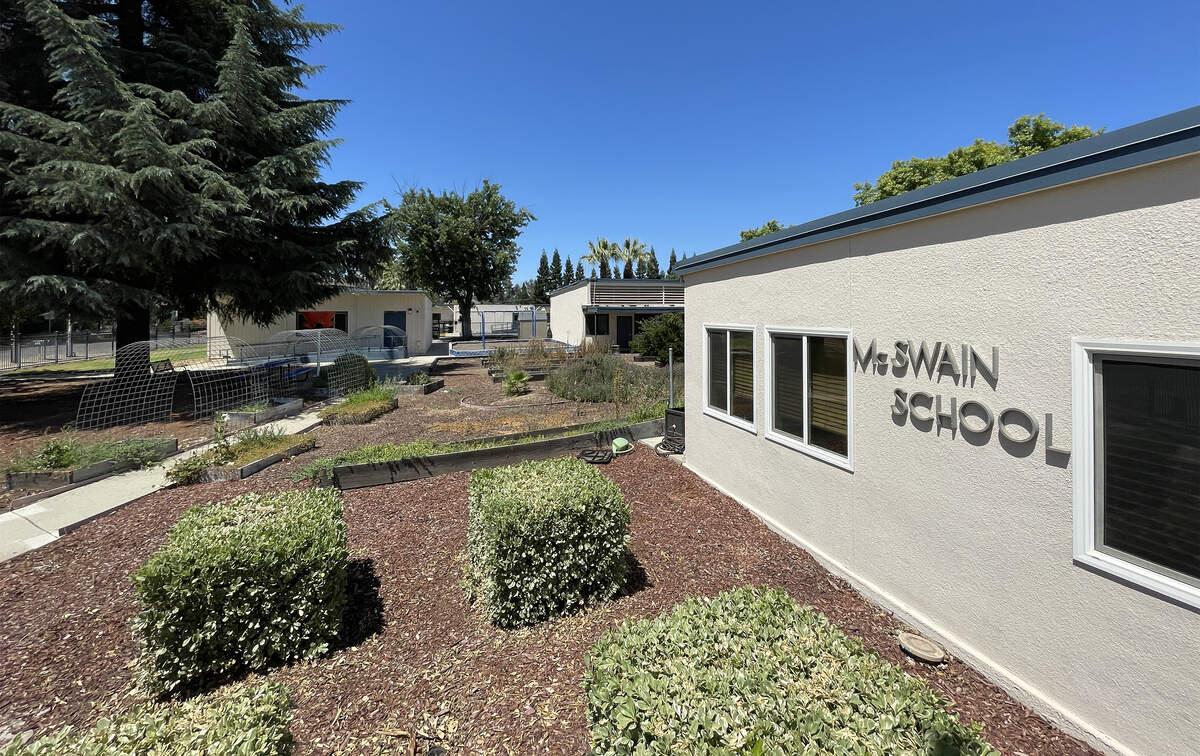
The unincorporated community of McSwain, which lies just south of Atwater, is a hot spot for this type of contamination.
The McSwain Union Elementary School District and other Merced school districts filed a lawsuit against Shell and DOW chemical over persistence of 1,2,3 TCP contamination.
McSwain Superintendent Kamaljit Pannu said it’s been an ongoing issue, but filters were placed on school water fountains last year.
Public water systems like the school district’s are required by the state to regularly test for water contamination. But testing in private domestic wells is unregulated and voluntary, leaving many residents unaware of problems that could have long- and short-term health impacts.
Matt Traverse has lived in a McSwain neighborhood with his mother since 2003. He and his neighbors rely on domestic wells, which are often shallow and more prone to surface contaminants than deeper municipal wells.
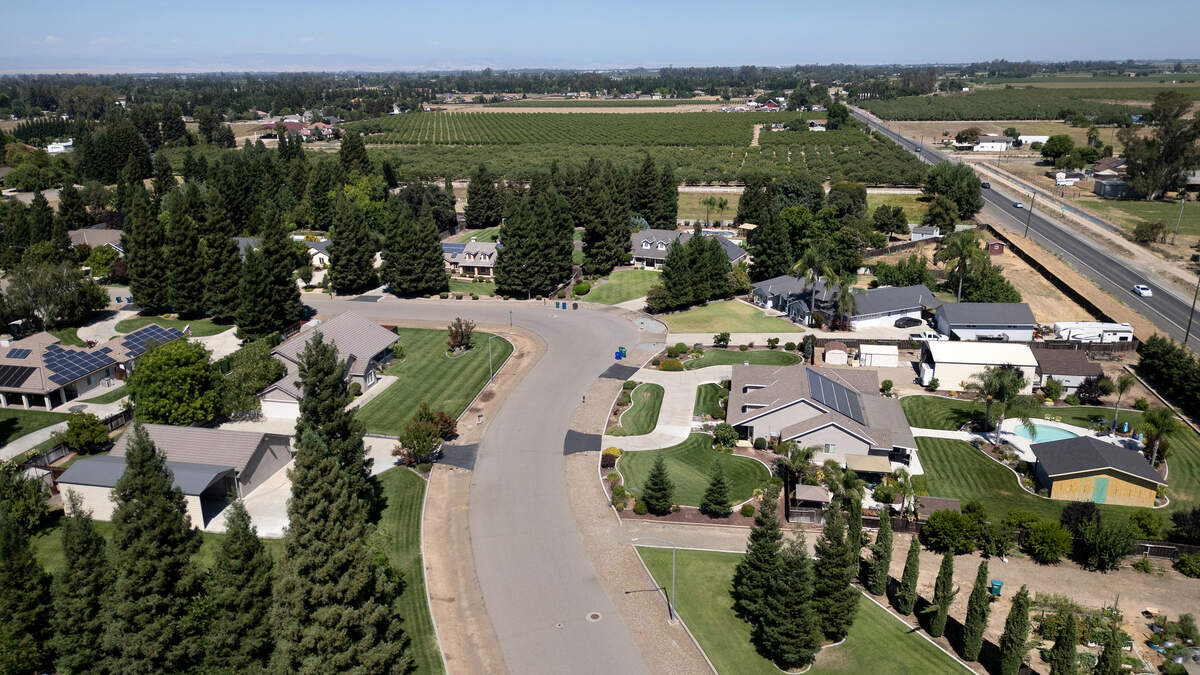
“I’m grateful to have a well where I don’t have to pay,” Traverse said. “I hope it’s still drinkable, because we do drink it every day.”
Water contamination is typically associated with brown or cloudy water, foul smells and bad taste, but the most common contaminants in Merced are hard to pick up on. Nitrate, uranium and chromium hexavalent have no taste, color or smell, and 1,2,3 TCP can taste sweet.
Filtered water pitchers can improve taste or reduce water hardness, but they often do not rid the water of common contaminants. Filtration systems for most of the common primary contaminants are often prohibitively expensive and complex. Nitrate, for example, requires an ion exchange or reverse osmosis system.
In Traverse’s neighborhood, four wells have tested far over the safe drinking levels for 1,2,3 TCP. One well tested just shy of nine times the safe drinking limit, another exceeded the safe drinking limit for nitrate.
Uranium is also present in just under 20% of the wells tested. It can cause kidney damage and increase cancer risk over extended periods of time.

Los Banos and the west side of Merced County have high levels of chromium hexavalent, a carcinogen that is presumed to be naturally occurring, but Valley Water Collaborative does not currently test for it. High concentrations follow along the I-5 corridor and extend up to Stanislaus County.
Traverse said he’s aware that the water in the area can be contaminated from past and current agricultural activities and also from the closely concentrated septic tanks. At one point, he tried to get a test from a home-improvement store, but said after he mailed off the sample, he never heard back.
“I don’t know if they’re real tests or not,” he said. “I don’t know who I’d contact to actually get it tested.”
Comprehensive water tests from a state approved lab can be costly. Part of why the Valley Water Collaborative exists is to make testing and water replacement available to those most impacted.
A handful of residents said they know their wells are unsafe and have adapted to other sources of drinking water, such as bottle delivery service. However, most people were not aware of the water-quality issues and said they drink water from untested wells.
This story was originally published June 29, 2026 at 3:44 PM with the headline "Merced County well-water quality raises concerns for unincorporated residents."