
The Fed cut its key interest rate on Wednesday. Will it be the last one for awhile?
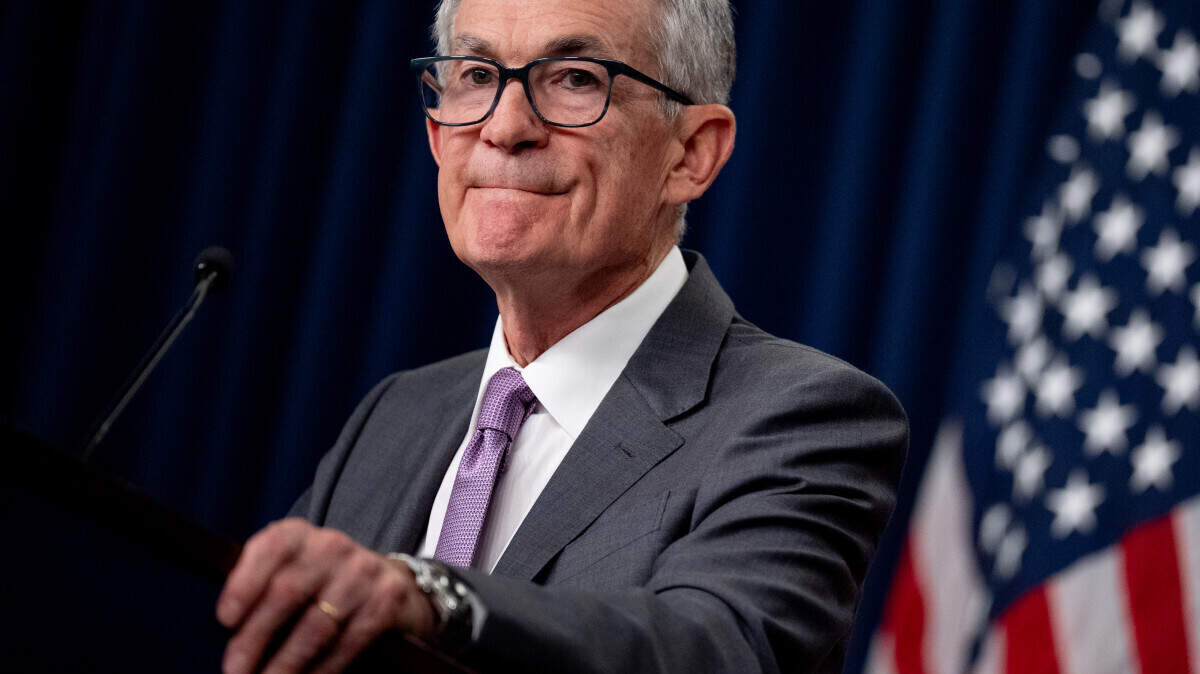
The Federal Reserve cut its key interest rate Wednesday, providing some help for consumers. But the reduction could be the last cut for a while.
“We do not expect them to continue cutting at the beginning of Trump’s presidency, in order for some of the policy uncertainty to resolve itself,” said the UCLA Anderson winter forecast last week. In a statement Wednesday, the Fed also noted “the economic outlook is uncertain.”
The Fed’s target interest rate is now 4.25% to 4.5%., down a quarter point from its previous level. That’s the rate banks charge to lend money to each other overnight, but it has a big influence on interest consumers pay.
While home mortgage rates tend to be influenced by a variety of factors, notably inflationary expectations, the Fed rate can help determine the path of mortgage interest.
In California, sales of existing homes in October were up from September. The median price was $888,740, up 2.4% from September. Expectations that any Fed action could mean lower rates, though, was tempered.
“I don’t expect a rate cut to have too much of an impact on mortgage rates one way or the other. The economy is still growing and inflation remains stubbornly above the Fed’s target,” said Jordan Levine, senior vice president and chief economist for the California Association of Realtors.
The average interest rate on a 30-year mortgage last week was 6.6%, according to Freddie Mac, which tracks interest rates. Rates had been as low as 6.08% in September.
Experts saw potential for slight declines in other interest rates. But Matt Schulz, credit analyst at LendingTree, warned that “It ultimately doesn’t amount to much for those with debt. A quarter-point reduction may knock a dollar or two off your monthly debt payment.”
The Fed tries to use interest rates as a way of stabilizing the economy. As the rate of inflation hit 9.1% in June 2022, the Fed made an effort to raise rates to their highest levels in 23 years..
Higher interest rates are supposed to cool demand, motivating sellers not to impose big price increases. The Fed aimed to get price increases down to an annual rate of 2%.
The latest inflation rate, for the 12 months ending last month, was 2.7%. The fear of many economists is that the incoming Trump administration could take steps that would send that rate up.
Trump has threatened to impose high tariffs, or taxes, on products from China, Mexico and Canada. Experts have warned that such action could drive up prices in this country.
There’s also concern that his plan to deport millions of undocumented immigrants could also be inflationary, as it would make it more difficult to fill lower-paying jobs and shrink a big source of tax revenue.
“If the upcoming Trump administration brings with it new tariffs, mass deportations, tax cuts and other inflationary policies, then expect rates across the board to rise,” said Jacob Channel, senior economist at LendingTree, which tracks interest rates.
At the moment, the watchwords are wait and see.
“Depending on how the early days of the new Trump administration go, the Fed could hold off on additional cuts until March or even later,” he said.
This story was originally published December 18, 2024 at 8:11 AM with the headline "The Fed cut its key interest rate on Wednesday. Will it be the last one for awhile?."
.jpg)