
Better immigration policies can improve health of Merced County, study finds
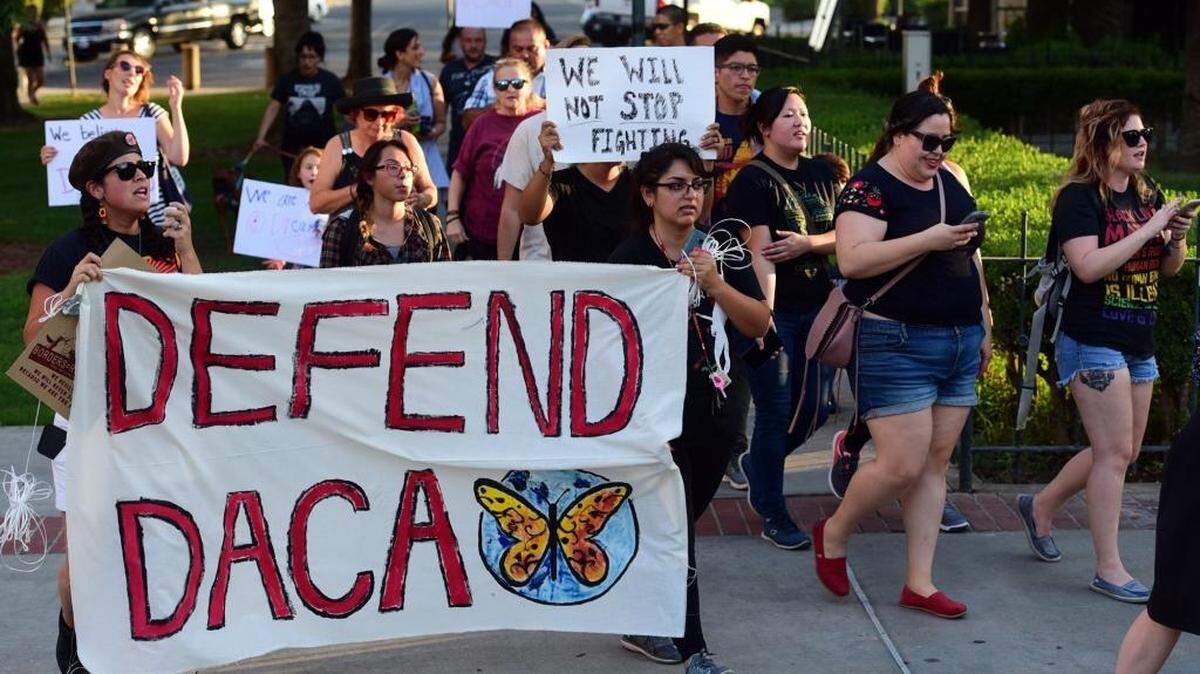
Immigration policies that lead to legal status have the potential to improve the health of people in Merced County and other communities across the nation, a recent study from a UC Merced professor found.
UC Merced Professor Whitney Pirtle published a study that concluded immigration status has an impact on people’s health, and those impacts are more beneficial to a community than not.
Pirtle and UC Davis Professor Caitlin Patler analyzed the psychological and emotional health impacts of Deferred Action for Childhood Arrivals, or DACA, recipients, a program that protects young undocumented immigrants from deportation. All of the people surveyed, between 2014 and 2015, were undocumented at some point, Pirtle said, and they compared their experiences to those who didn’t receive DACA.
When people gained legal status their health improved, Pirtle said. People said they felt a sense of relief, she said, and their amount of stress and negative emotions decreased, which the report found is linked to psychological health improvements.
“Mental and physical health are highly correlated,” she said. “If you have a big physical ailment it can impact mental health as well. If you’re down or sad that can impact physical health and health behaviors.”
Legal status restricts what people have access to, Pirtle said, like the type of jobs people can have which parallels to the amount of money they make and the type of healthcare access they have.
People without legal status are not as likely to seek preventative care because of their health insurance options, Pirtle said, and end up in the emergency room more frequently. After gaining legal status, she said, people have more options of affordable healthcare.
The report found after gaining legal status people no longer felt alienated from those around them who were documented, Pirtle said, and felt like they could also be productive members of society. Now, she said, they too could afford going to college and going into the profession they choose.
A student who graduated from UC Merced in 2015 with an engineering degree, who asked to remain anonymous because he’s unsure what may happen to his legal status, said without DACA he wouldn’t of been able to graduate or start law school at UC Davis like he is now.
After the recent cancellation of the program by Trump’s administration, the improvements made could falter and “this is applicable to Merced,” according to Pirtle.
“If policy were to change it would definitely impact our community,“ Pirtle said in a phone interview with the Sun-Star. “If DACA goes away maybe improvements will go away as well.”
“We know for a fact individuals at UC (Merced) are directly impacted,” she added.
After the president's announcement on Sept.5 to deplete DACA, Pirtle said she already started receiving emails of UC Merced students not being able to attend class because they’re hurt and frustrated by the decision. The announcement added a layer of stress to their lives that’s harmful, she said, and already started impacting their daily routines.
The 27-year-old born in the Philippines said it wasn’t just the education and job opportunities that changed his life. “I became a lot braver. I was able to get more connected to my community and collaborate with people. I felt welcomed.”
The study discovered the fear of being deported and feeling unwanted were some of the common stresses among undocumented people, Pirtle said.
Improvement in his mental health was a “major” benefit to being in the DACA program, he said. His anxiety had gone, he said, and he no longer felt like he was being held back from what he wants to accomplish, become a lawyer.
“Not being able to become the person I want to be or dream of being, the feeling of that was really detrimental to my sense of self-worth, to say the least,” he said.
This story was originally published September 19, 2017 at 4:25 PM with the headline "Better immigration policies can improve health of Merced County, study finds."