
Christine McFadden: Veterinarians across globe promote, nurture animals
Compassion. By definition it’s the sympathetic consciousness of others’ distress together with a desire to alleviate it.
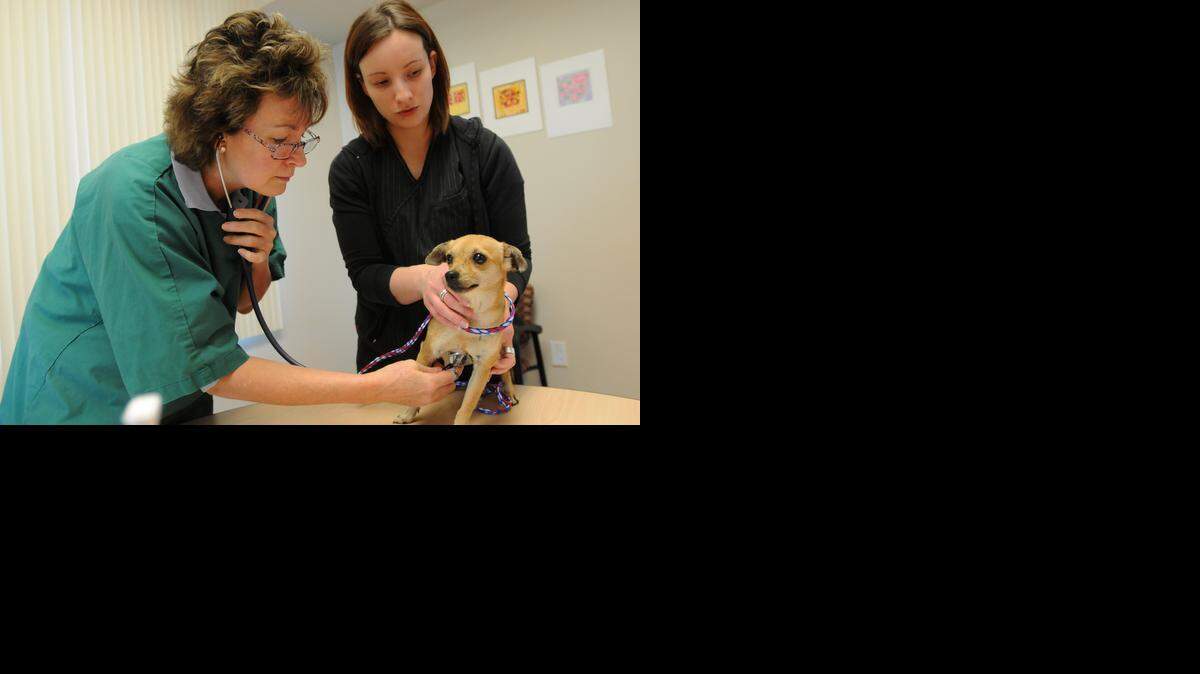
Veterinarians are in a service profession, where we spend our lives committed to improving the quality of life directly for the pets we minister to. We spend our days with dogs and cats or maybe dairy cows or working quarter horses.
No matter which animal species we care for, we are there to monitor and safeguard against zoonotic diseases (serious infection, sometimes fatal diseases shared from animals to people). Veterinarians are found all over the world. We share in the lives of generations of families, people and their pets.
Veterinarians are there to safeguard the milk and meat you eat. Veterinarians in public health positions oversee food safety and processing. When our people in armed forces go overseas, food safety is again specifically closely monitored by military veterinary officers, as not all countries maintain the same food safety standards as the United States. Veterinarians care for the bomb squad dogs and other paramilitary working canine corps.
Veterinarians volunteer, through programs such as the Peace Corps, to work in developing countries, teaching animal husbandry and disease prevention. For these people success can mean the difference between subsistence living and a good life.
An ox can pull a plow, raising a larger crop than a person can alone, then transport the crop to market by pulling the wagon, where the crop can be sold and other necessary commodities purchased. That same ox can transport an entire family by wagon across vast distances and get someone to the hospital on time.
Sheep, goats and cattle have the ability to take something we do not eat – grass – and turn it into meat and milk for food and survival. Their wool and leather may provide clothing or shelter. Sometimes success with these animals can be the difference between life and death, the difference from eking out an existence versus relative comfort.
Veterinarians work in research. They work for the Centers for Disease Control and Prevention and NASA’s space program.
Did you know that much of the early work on HIV was done on the cat feline immunodeficiency virus (FIV)? Absolutely not contagious to people, but in many important ways very similar to HIV, this research helped unravel information about the AID’s virus without “experimenting” on someone’s family member.
From guide dogs for the blind to the Olympics equestrian events, we’re there. Many veterinarians are in private practice, which might mean we work with companion animal dogs and cats or see only dairy and beef cattle, horses, or a “mixed” practice. Some specialize in eyeballs (ophthalmologists), skin diseases (dermatologists), or heart conditions (cardiologists).
It is always an enriching, varied, interesting life.
Veterinarians are very much a part of stewardship over our Earth. It is an inevitable side effect from taking a vow to minister to every creature living.
They volunteer hundreds of hours of relief aid to care for injured sea birds and sea mammals when an oil spill occurs in our oceans. They volunteer at wildlife rescue centers, humane societies, and for rescue organizations for a wide variety of animal species.
Veterinarians fight to preserve endangered species of animals. It’s easy to fight to protect a beautiful parrot from South America or the awe-inspiring Komodo dragon or panda bear. Can you imagine what it would be like to live where those animals occur naturally, to wake up and have one of them lazing in your back yard on an average day, like we have sparrows or blue jays? Wow – worth fighting for.
What about the ugly animals, the insignificant? Remember how we almost didn’t have UC Merced because of some stupid little fairy shrimp? They didn’t even exist most of the year, just magically, microscopically popped up in vernal pools (fancy name for mud puddle, right?) after the winter rains.
And people said we couldn’t build our university there, because these were endangered. This created much angst. Ultimately a win-win solution was reached. The fairy shrimp and habitat are safeguarded.
My point is: Who gets to decide what is important to our world? Which life is worth saving? What impact does this life have on another, and another – our Earth? Who chooses if your children will ever get to see a condor or a Koala bear or even a fairy shrimp? If you don’t take the time to find out, who will?
Christine McFadden holds a license to practice veterinary medicine and surgery. She has cared for the family pets of Merced at Valley Animal Hospital for more than 30years. Send questions or comments to drmc@mcmenagerie.com.
This story was originally published December 12, 2014 at 4:20 PM with the headline "Christine McFadden: Veterinarians across globe promote, nurture animals."