
A wellspring of Merced County history: Variety of exhibits coming to Courthouse Museum
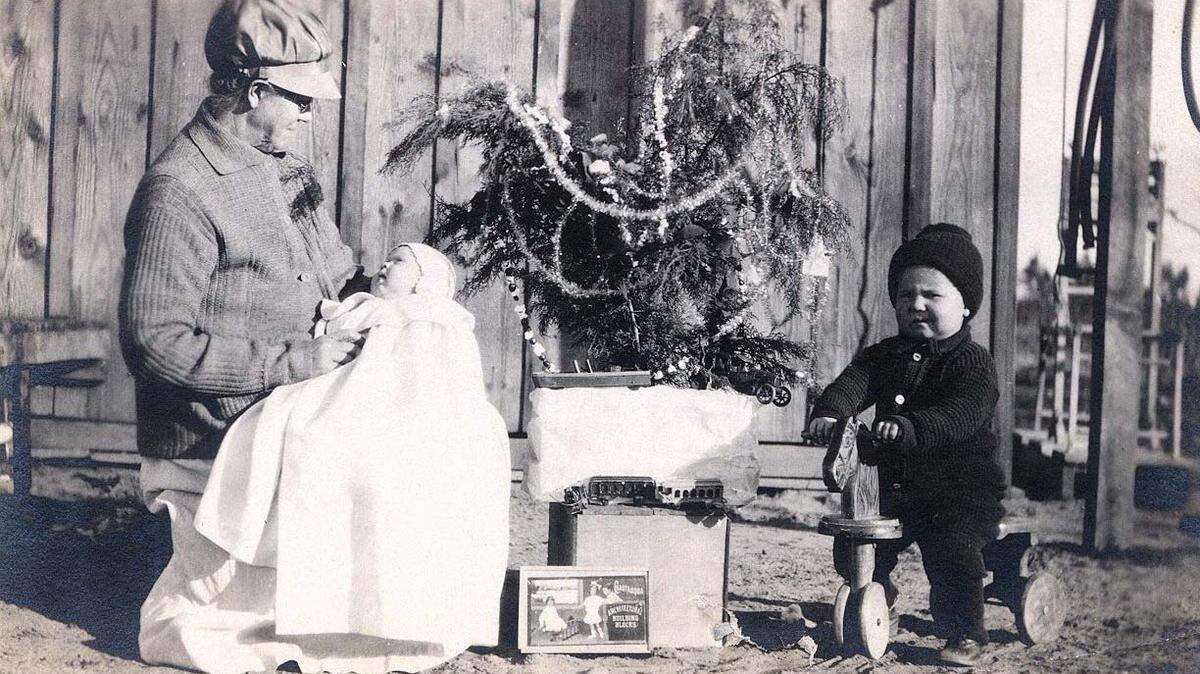
Pouring rain did not dampen the spirits of museum visitors as they came out to attend the Merced County Courthouse Museum’s 35th annual Christmas Open House on December 1.
By the end of the three hours of festivities, close to 500 guests toured the Christmas Tree display, tasted the traditional Courthouse eggnog and delicious treats, and enjoyed beautiful performances from bells to choirs. There was happiness in the air — the blessings of water, peace, and contentment in this holiday season.
As we are ending 2019 in a positive note, what will 2020 bring us?
How about more water? That is right. Merced Irrigation District Centennial Celebration which opened on November 7 will remain on display until Feb. 23.
Organized in 1919, MID’s original mission was to provide water for local farmers. Over the past century, MID has evolved from a supplier of water for agriculture to providing power and recreation to the community it serves.
In recent history, MID has become deeply engaged in water policy challenges and environmental conservation efforts. This exhibit celebrates MID’s past, present, and future as it turned 100 in 2019.
The year 2020 marks the 100th anniversary of the passage of the 19th Amendment that enfranchised American women. After its ratification, women had an even stronger voice and their opinions mattered even more.
Local women’s history
A new exhibit, titled “Beyond Appearance: Portraits of Merced County Women,” will open on March 12 during the Women’s History Month. California became the sixth state that granted women the right to vote in 1911; thus, California, more specifically Merced, played a role in the national campaign for Women Suffrage that led to the passage of the 19th Amendment.
By studying the portraits of 40 Merced women from the Victorian Era to 1920, the exhibit aims to look beyond the appearance of these individuals to learn the stories of their daily struggles.
These ordinary women may not have been as well-known as local suffragists like Virginia Wills Castle (wife of Congressman Dr. Curtis H. Castle), Fannie Martin Radcliffe (wife of Merced Evening Sun publisher Charles D. Radcliffe), or Maron Love Wood (wife of Merced’s first mayor Mirabeau D. Wood), but they are part of our women’s history.
As the driving force behind domestic and social change, they not only showed that “behind every successful man, there is a strong woman,” but also underscored their desire for greater gender, social, and political equality.
Early settlers examined
Among these strong, independent women, many of them were pioneers who settled in this county when Tule elk and long-horned antelope roamed freely and wildflowers and native plants grew in abundance. These settlers may have been in awe of the natural beauty, but it was the harsh frontier life that brought them back to reality. Why did people settle in Merced County and where did they live? These questions will be explored in a new exhibit, titled “Settlement of Merced County: From Homestead to Colonization,” opening on June 25.
People settled in Merced County because of its virgin land, fertile soil, suitable climate, and plentiful water. Many pioneers, other than the Mexican land grantees, were homesteaders who owned and operated their farms on public land. If a homesteader made improvement on the land, normally about 160 acres, for a period of time, he/she could file a claim with the government to obtain the free title of the property.
As free public land in Merced County diminished by the late 19th century, people continued coming to Merced County because now the fields were irrigated. The irrigation systems developed by Crocker-Huffman Land and Water Company in eastern Merced County and San Joaquin Canal Company on the Westside transformed sky farming into intensive farming.
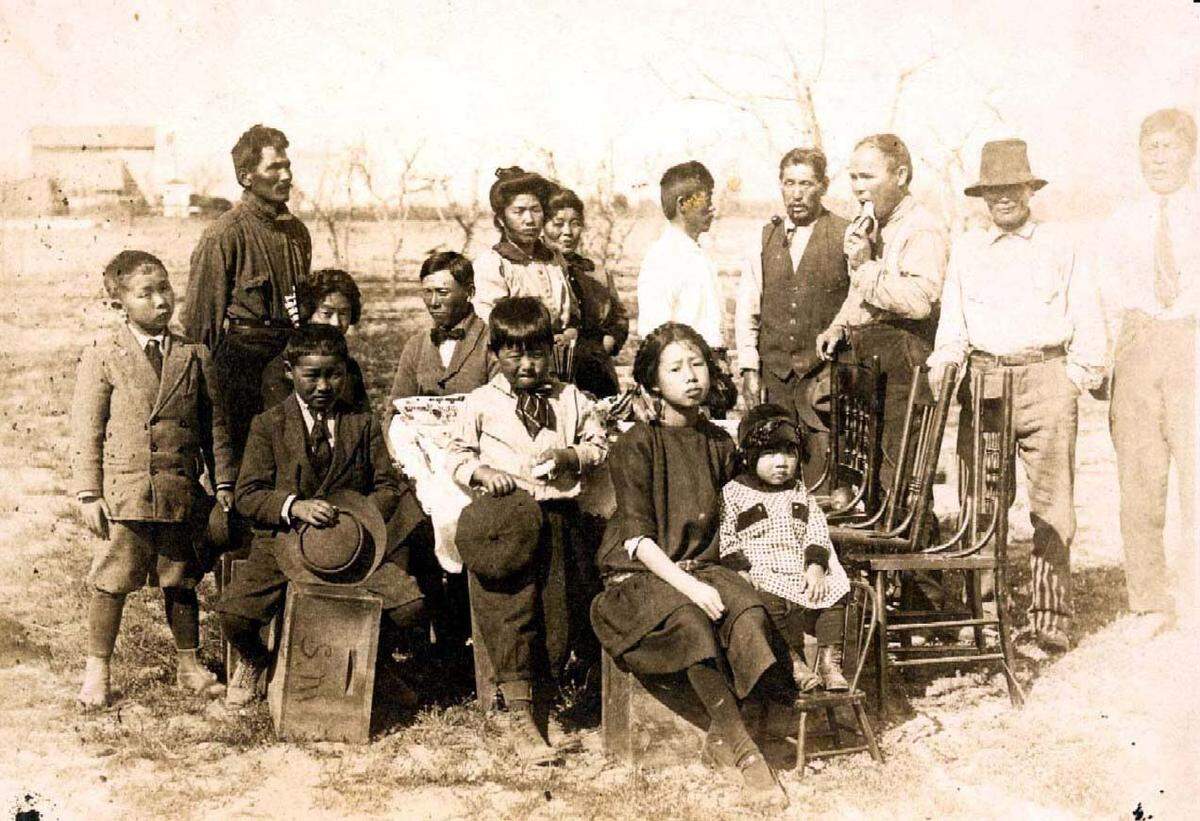
Many of these newcomers became known colonists who lived in settlements where they shared a common interest. For example, Rotterdam Colony was started by immigrants from Holland while Yamato Colony was settled by Japanese farmers. As society became more integrated, these colonies gradually disappeared. This exhibit will examine how ethnicity, national origin, geography, or religion played a role in the creation of Merced’s forgotten settlements.
The building of an ag empire
As a culmination of our series of irrigation and settlement exhibits, the last show of the year is “Land and Water: The Building of an Ag Empire.” Opening on Oct. 15, this exhibit will provide a contemporary look at Merced County as an agriculture empire through the lens of Merced Camera Club.
Focusing on the interconnection of land, people, and water, members of the Merced Camera Club will set out as photojournalists to capture the everyday life and work of farmers, farm workers, farm suppliers and manufacturers, and water purveyors. Accompanying the Camera Club’s work will be oral histories and literature from or by our Valley residents and authors.
So, there is excitement in the air as we are about to enter 2020. Please come to visit the Courthouse Museum and discover one-of-a-kind holiday gifts and local history books in the Museum Gift Shop. We, at the Courthouse Museum, thank you for your continued support and wish you Merry Christmas and Happy New Year!
Sarah Lim is museum director for the Merced County Courthouse Museum. She can be reached at mercedmuseum@sbcglobal.net.
This story was originally published December 22, 2019 at 5:00 AM.