How an ambitious merchant played a big role in Merced’s early irrigation history
As this year’s March Miracle turned out to be disappointing, Merced County farmers nervously began their planting season.
A farmer announced that he would plant less this year after attending a meeting at Merced Irrigation District and learning the surface water allocation has been set at $100 per acre-foot.
Water is the bloodline of farming. The founders of MID, who started the district more than a century ago, believed that the collective water usage and management would greatly benefit growers and sustain long-term growth.
Carl Edward Kocher, a hardware merchant from Merced, was such a true believer that he made many personal sacrifices to promote the district and support its work, serving as the founding director for District 3 for many years and as board president from 1923 to 1927. He chose MID over his own hardware business.
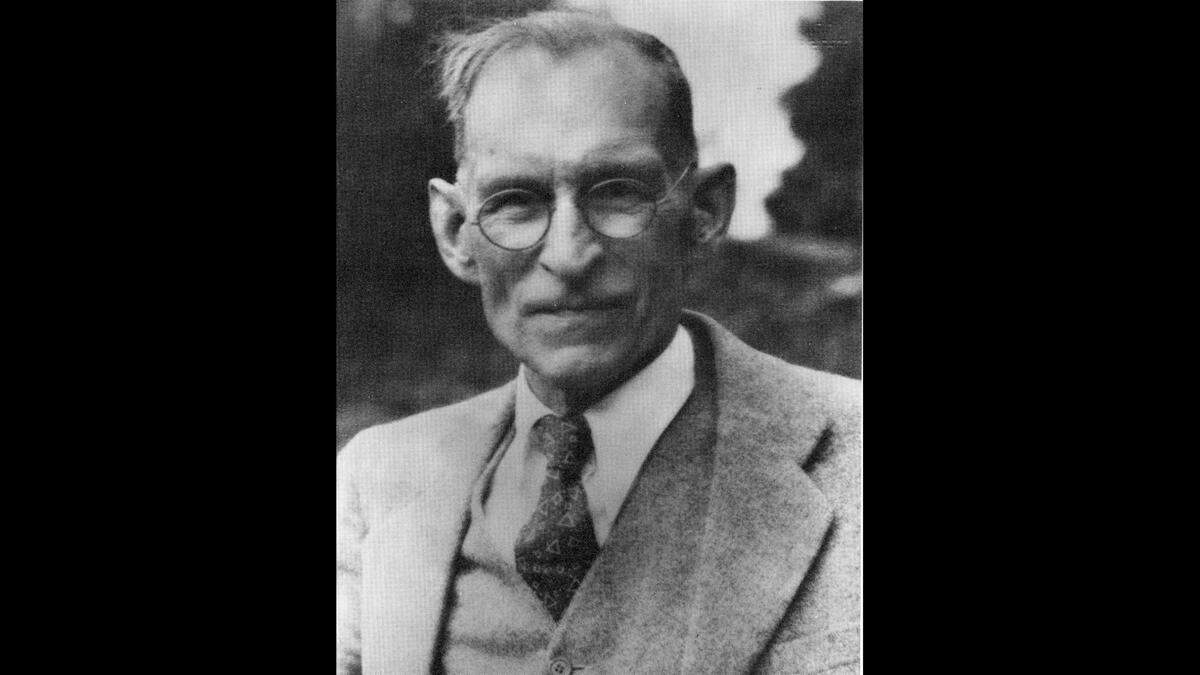
Kocher was born in Hornitos to Abraham and Katharina Kocher on December 9, 1867. Abraham, a Swiss immigrant, settled in Hornitos and engaged in the saddle and harness business following his gold fever. He died when Kocher was not even 3 years old. Katharina was a resilient woman who ran a successful dry goods and millinery business while raising two young children.
Kocher finished his elementary education in Hornitos and attended San Jose High School to continue his studies. He graduated from Garden City Business College in 1887 and worked as a bookkeeper for his uncle Jacob Kocher, a pioneer hardware dealer who opened a store in Merced in 1872.
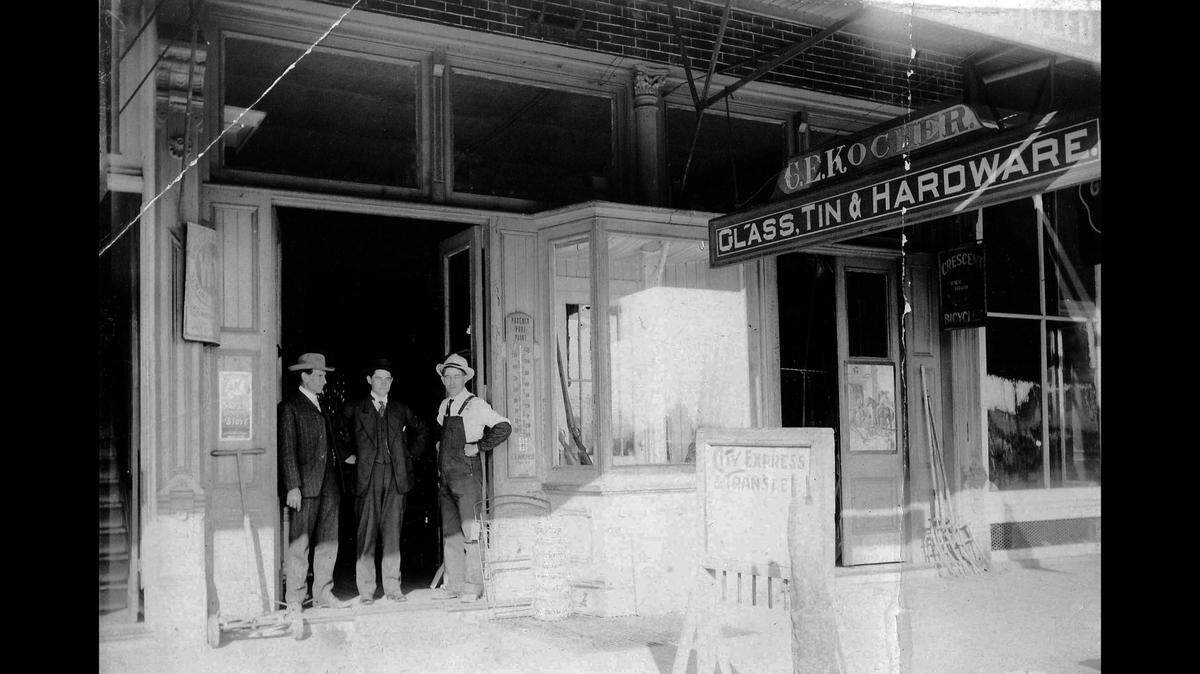
After Jacob retired, Kocher started his own hardware business in 1897 on Front Street (now 16th Street). In addition to tinware, stoves, and ranges, he also carried agricultural implements and tools as well as paints and oils.
This ambitious man soon built up a large business and needed room for expansion. So he moved to the more spacious quarters in the Central Hotel Building in 1906. Kocher’s booming business and sound investment enabled him to build a modern home in the newly-developed Bradley Addition and acquire an orchard and a vineyard in Yosemite Colony.
Kocher’s keen business acumen reached a new height when he purchased the lot at the southwest corner of 18th and Canal streets and erected a two-story brick building in 1911. The Kocher Building became the new headquarters for his hardware business. With a full line of Oliver Chilled plows, Deering farm implements, and Fuller and Johnson’s gas engines, Kocher Hardware became known as one of the largest, most complete hardware dealers in this part of the San Joaquin Valley.
Kocher was a prominent leader in the business community. As the newly-elected president of the Merchant’s Association, he went on record to oppose the proposed 8-hour workday law in 1913; as a longtime official serving in various capacities, he was a fixture of the Merced Chamber of Commerce. In 1919, Kocher became involved in the organization of Merced Irrigation District and was elected to the MID board as a founding member.
In the following year, Kocher along with C. M. Cross and W. D. Wagner withdrew their nominations to the Chamber. They explained, “We must give all our time and energy to this work to the end that the Merced Irrigation District, when completed, will be the very best possible, and we must let nothing stand in the way of accomplishing that.”
The formation of MID received a great deal of opposition that often resulted in bitterness among communities and friends. The victorious election in 1919 led to the formation of MID but deepened the division between urban and rural as city folks voted overwhelmingly for it, while farmers voted against it.
Farmers were angry at Kocher for his support of MID, so they boycotted his store. Experiencing a decline in business, Kocher sold his store to Fred Bedesen and Jack McNamara in 1923. Even when it cost him his business, Kocher did not let anything stand in his way.
Bedesen and McNamara continued to encounter difficulties in the early days of running the store because of the boycott. Jack McNamara later recalled, “The farmers really didn’t understand what they [the MID directors] had in mind for them. If they knew then what they do today, they would have thrown their arms around Mr. Kocher and Mr. Cross instead of criticizing them.”
The farmers thought the district would tax them out of the farming business, McNamara continued. “So, they got mad at all the directors and when they couldn’t do anything against them, the farmers just combined. They thought that Mr. Kocher still had an interest in the business. We couldn’t convince them that we were the sole owners.”
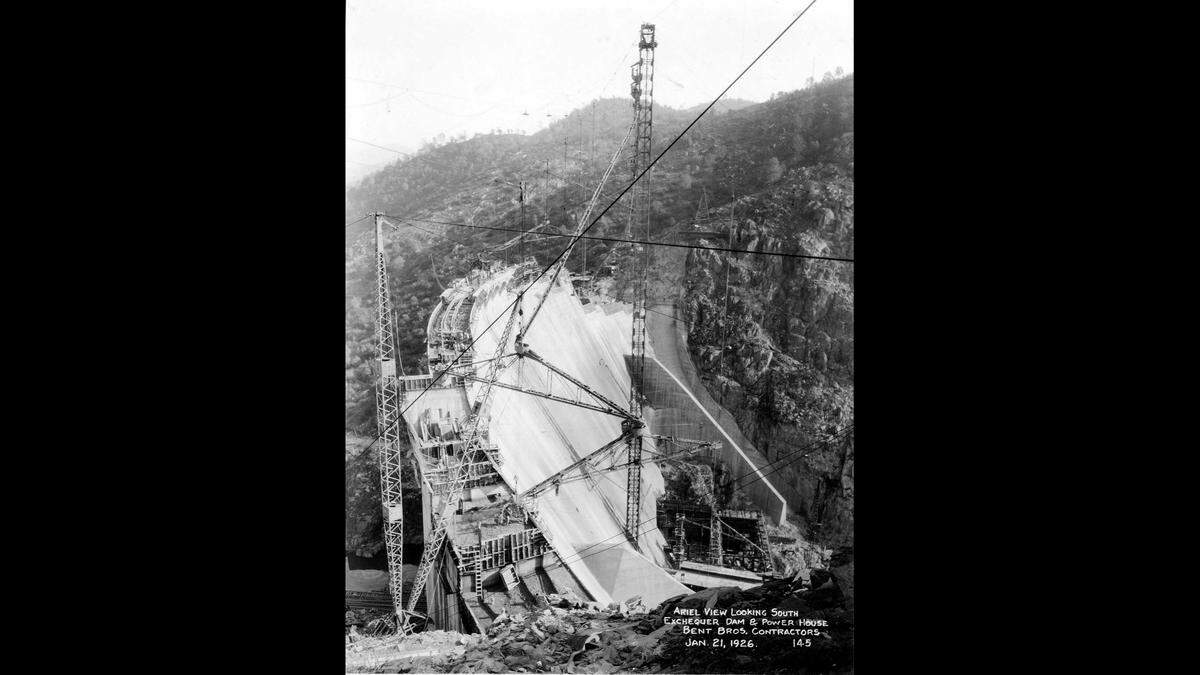
Carl E. Kocher may have lost his business, but he gained a lifetime achievement as he oversaw the construction of one of the largest concrete gravity arch dams at that time. The completion of the Exchequer Dam and Powerhouse in 1926 brought Merced County water, power, and prosperity.
To learn more about Kocher’s legacy, please visit the Tractor Dealerships in Merced County exhibit and the Merced Irrigation District Centennial display at the Courthouse Museum. The Museum is closed on Easter.