
Merced Courthouse Museum celebrates 25th anniversary of Pacheco State Park with exhibit
Merced County Courthouse Museum is celebrating Pacheco State Park’s 25th Anniversary with a special exhibit that features both the cultural and natural histories of the region.
Opening on June 23, this exhibit is a close look at the park’s past, present, and future as well as the contributions of its stewards and naturalists.
The PSP exhibit is a moving story of those (the Native Americans, the Californios, and the Americans) who worked hard to protect and preserve the beauty and wildlife in Rancho San Luis Gonzaga, an original Mexican land grant. These efforts culminated in the establishment of a state park in 1997.
Long before the Spanish explorers, Native Americans lived in harmony with the land.
The Yokuts Indians in the Merced County area often traded with the Coastal Mutsun tribes. Pacheco Pass at the Diablo Range served as a border region between the valley and coast and became the main trading corridor for the Indians as they developed trails through the Pass.
The Spanish explorations and the establishment of the missions disrupted the lives of the Native Americans. Forced off their land, many Yokuts and Mutsun Indians ended up living in nearby missions such as Mission San Juan Bautista. As a result, the Californios became the new guardians of the valley. One of these early Californios was Francisco Pacheco.
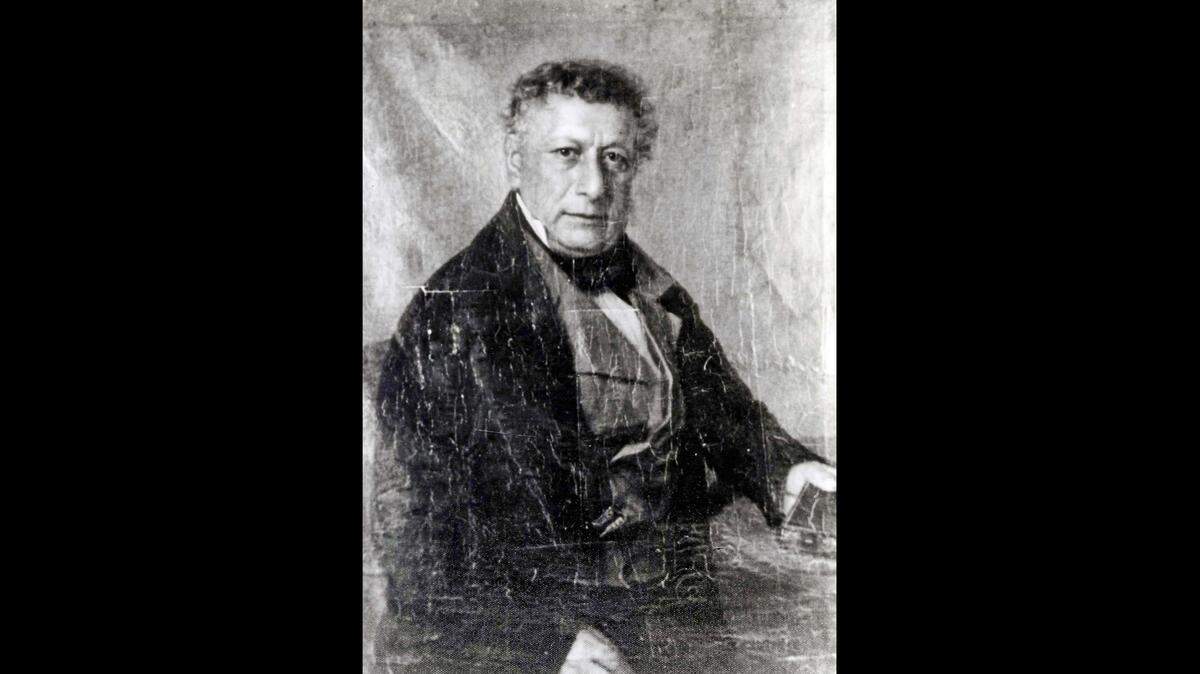
Francisco Pérez Pacheco was born in 1790 in Mexico. He married Feliciana González Torres, and they moved to Monterey, California with their two daughters in 1819. They then had six more children. Pacheco, who held various positions in both civil and military governments, began to acquire land as early as 1833 when he was granted 8,870 acres of Rancho Ausaymus y San Felipe. By 1855 when he inherited Rancho San Luis Gonzaga from his son Juan, he became one of the wealthiest landowners in California, with over 150,000 acres.
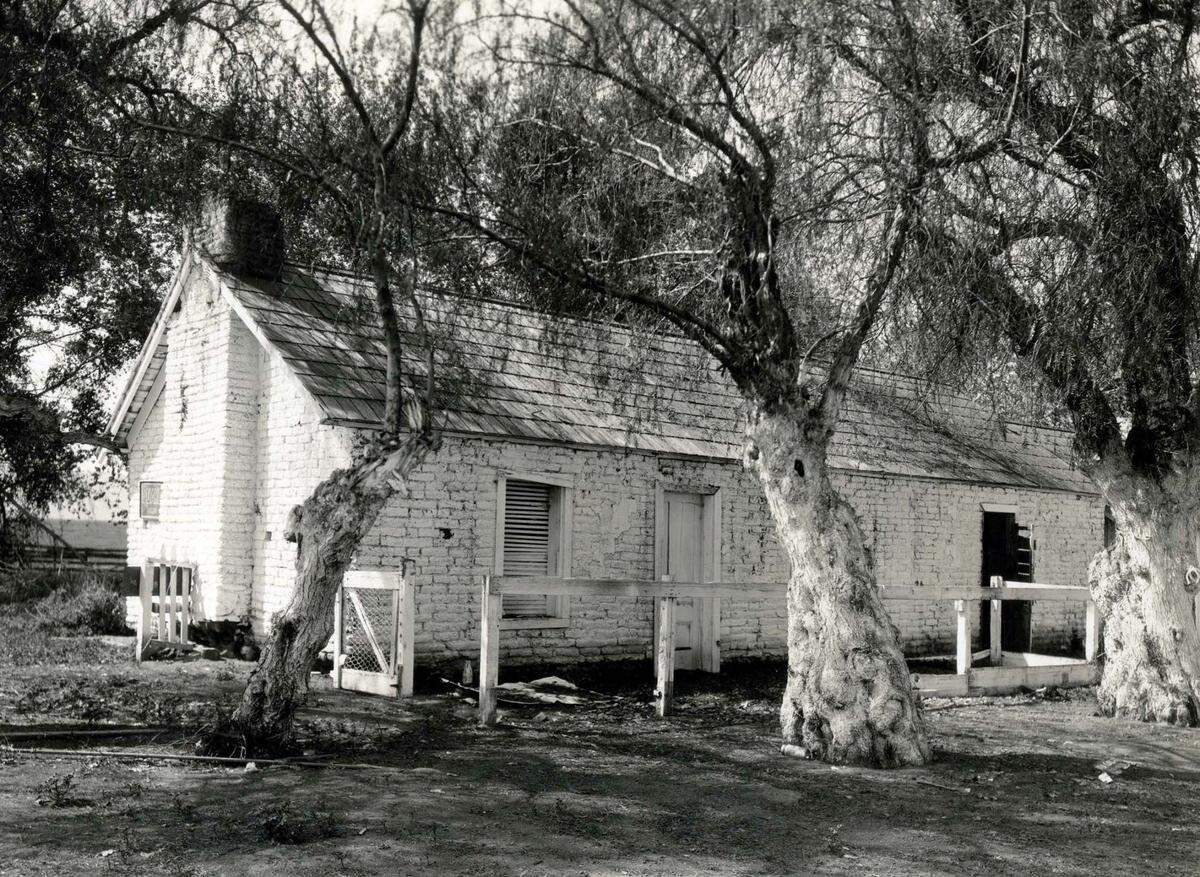
Working on the land and keeping it in the family was Pacheco’s way of protecting and preserving it. Little did Pacheco know that this would become the lifework of five generations. It began with fighting to keep squatters and the American government off their land in the 1850s, then weathering natural disasters such as the terrible drought of 1863-64 and economic crises like the Panic of 1893, and ended in another struggle with the government, a century later, to keep their land from being condemned and flooded.
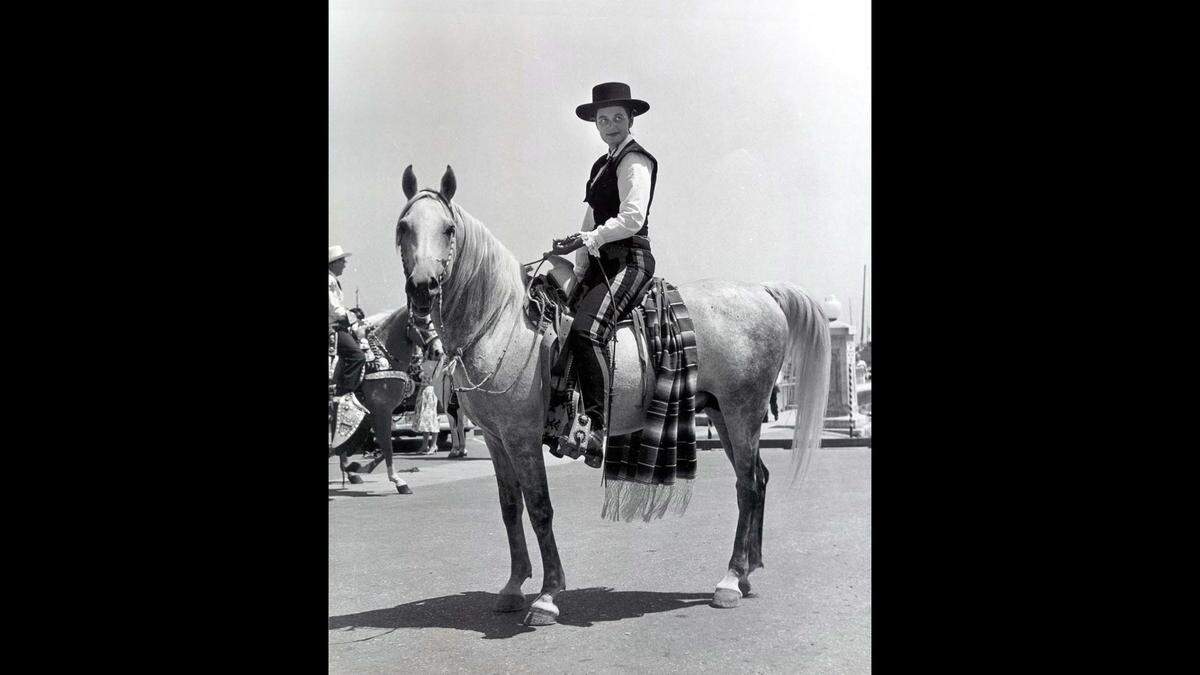
For over a century, the American government tried to take away the Pacheco land through a lengthy and expensive land title battle under the California Land Act of 1851 and eminent domain for the construction of San Luis Dam and Reservoir. But the irony is that in the end, Pacheco State Park was created on the land that was donated by Francisco Pacheco’s great-great-granddaughter, Paula Fatjo, who wanted the people of California to continue to enjoy the land that she cherished and protected.
Following in Pacheco and his descendants’ footsteps, past and contemporary naturalists continued such conservation efforts by educating the public about the beauty of the valley and its habitats. When John Muir first crossed Pacheco Pass in 1868, he was in awe of the beauty of the mountains and the valley.
He writes, “Their union with the valley is by curves and slopes of inimitable beauty. They were robed with the greenest grass and richest light I ever beheld, and were colored and shaded with myriads of flowers of every hue, chiefly of purple and golden yellow. Hundreds of crystal rills joined song with the larks, filling all the valley with music like a sea, making it Eden from end to end.”
Many valley naturalists and outdoor enthusiasts share Muir’s sentiment with their writings, teaching, and creative work. Adam Blauert of Merced, for example, describes one of his greatest fulfillments in life as being able to introduce his students to the natural world and help them develop a deeper appreciation for it. Modesto artist Linda Knoll, on the other hand, uses her vibrant watercolors to bring out the “inner” beauty of her subjects from birds and bees to gardens and seas.
Los Banos resident Robert Edminster was a tireless advocate of California’s natural habitats and published several books about the natural history of the San Joaquin Valley. He was well aware of how human action endangers our ecosystem, so he cautioned his readers that “we must reach a balance between the economic use of the land and the protection of wild habitats.”
While the “Celebrating Pacheco State Park’s 25th Anniversary” exhibit pays tribute to our past and present stewards, it suggests that a balanced approach to protecting our natural resources and achieving sustainable livelihoods can be accomplished through education, communication, and cooperation. Such collaboration is evident in this exhibit as we partnered with California State Parks, Four Rivers Natural History Association, and Milliken Museum Society.
Please join us for the PSP exhibit opening on June 23 at 5:00 p.m. The program will feature a book signing by Linda Knoll, author of “Over in the Valley,” and a PowerPoint presentation titled “California’s Crossroad: Pacheco’s Pass to Paula’s Park” by Pacheco Pass historian George Fohner.
Admission to the Museum and event is free. For more information, please contact the Courthouse Museum at (209) 723-2401.
This story was originally published June 19, 2022 at 5:00 AM.