
Moving river levees can help groundwater supply, say UC researchers
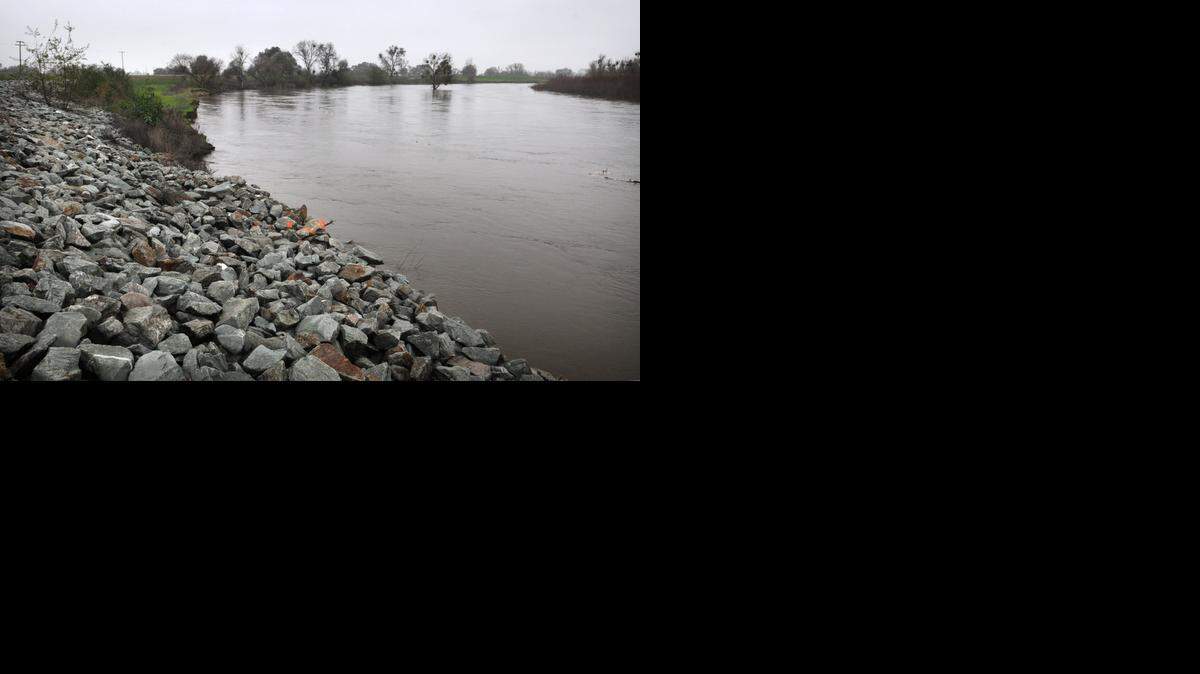
By now most people are aware that California’s groundwater supply is in a state of emergency – cities and farms use more water than is available. But University of California researchers have an engineering solution that may help replenish groundwater supplies and fisheries.
The answer, according to Josh Viers, a watershed scientist at UC Merced, is in flood control. Moving levees away from riverbanks to make room for floodwaters during wet years can refill aquifers and provide some relief during drought years.
When people migrated to the Sierra during the Gold Rush in the mid- to late 1800s and early 1900s, Viers explained, they built walls adjacent to the rivers to protect farms and cities from floods. These walls now hurt farmers’ and residents’ ability to access water.
For four years, Viers and other researchers at UC Merced, UC Davis and Washington State University have worked together near Lodi on the Cosumnes River, the Sierra’s only river without a large dam. There the researchers have studied what happens to rivers, floodplains and groundwater under natural conditions.
This past September, engineers and researchers hired bulldozers to move the levees about 1,000 feet away from the river.
Since the move, the project’s preliminary results showed that a brief storm in February resulted in 100 to 300 acre-feet of recharge to the 500-acre floodplain – about three times the amount of recharge that would occur through irrigation. Researchers estimate that amount of water recharge will now happen three times more often per year, which can provide a potential 1,000 acre-feet of additional water storage.
Moving the levees on the Cosumnes River has recharged the local aquifer, reduced the flood risks for landowners and allowed row-crop agriculture to continue on portions of the floodplain.
“What we’ve been able to show is that small events can have positive benefits for groundwater recharge,” Viers said.
Because of the drought, opportunities for recharge have decreased, making even the smaller rainstorms important to measure, he explained.
The goal of the research project, Viers said, has been to show the net benefit of managing different activity, most of which has been done through monitoring wells and other instruments. “We can’t manage what we don’t measure,” he said.
These efforts have become more relevant now that Californians are more dependent than ever on groundwater for drinking water and irrigation.
Gov. Jerry Brown last month signed drought-emergency legislation that advances $660 million for flood protection, which would include the construction of setback levees – those that are built farther away from rivers.
But setback levees can be expensive. For example, a 3,400-foot-long structure and the needed restoration along the lower Feather River in Sutter County is estimated at $20 million. Such projects, however, can bring long-term benefits, Viers said.
“What we’re suggesting is that the money the state plans on spending be directed toward setback levees because of its benefits to groundwater and wildlife,” Viers said.
Wetter years also improve the salmon fishery, according to researchers. The floodplain acts as an incubator and provides the right food and water temperature. Spending time in the floodplains allows them to grow larger faster, which increases their chances of survival when they reach the ocean.
Sun-Star staff writer Ana B. Ibarra can be reached at (209) 385-2486 or aibarra@mercedsunstar.com.
This story was originally published April 10, 2015 at 7:15 PM with the headline "Moving river levees can help groundwater supply, say UC researchers."