‘The water wars have begun.’ Some wonder how water plan will impact Merced County farms
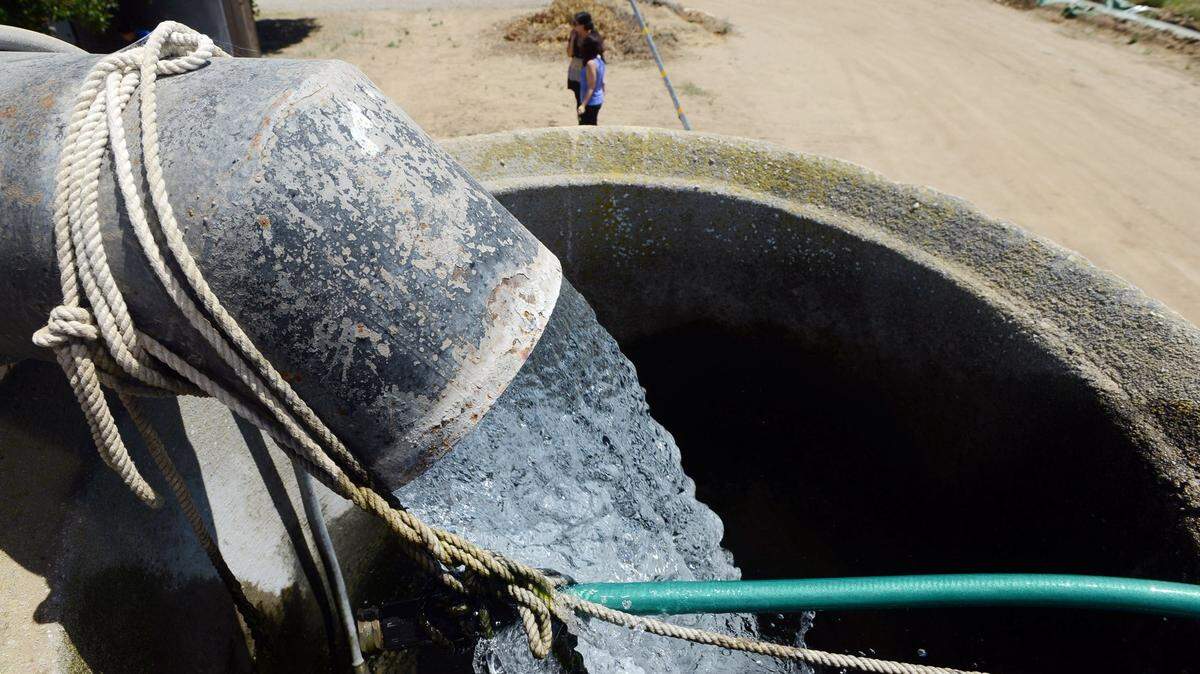
Agricultural and urban groundwater users in Merced County may soon have to sacrifice for the future, if a new state-mandated sustainability plan that limits consumption moves forward.
The changes will come if the Merced Groundwater Subbasin Sustainability Plan is approved by local agencies and cities. The 20-year plan aims to achieve sustainable groundwater over the long-term.
“The water wars have begun,” Atwater Mayor Paul Creighton said before City Council passed a resolution supporting the plan. “If we’re good stewards now, we’ll continue to be able to grow.”
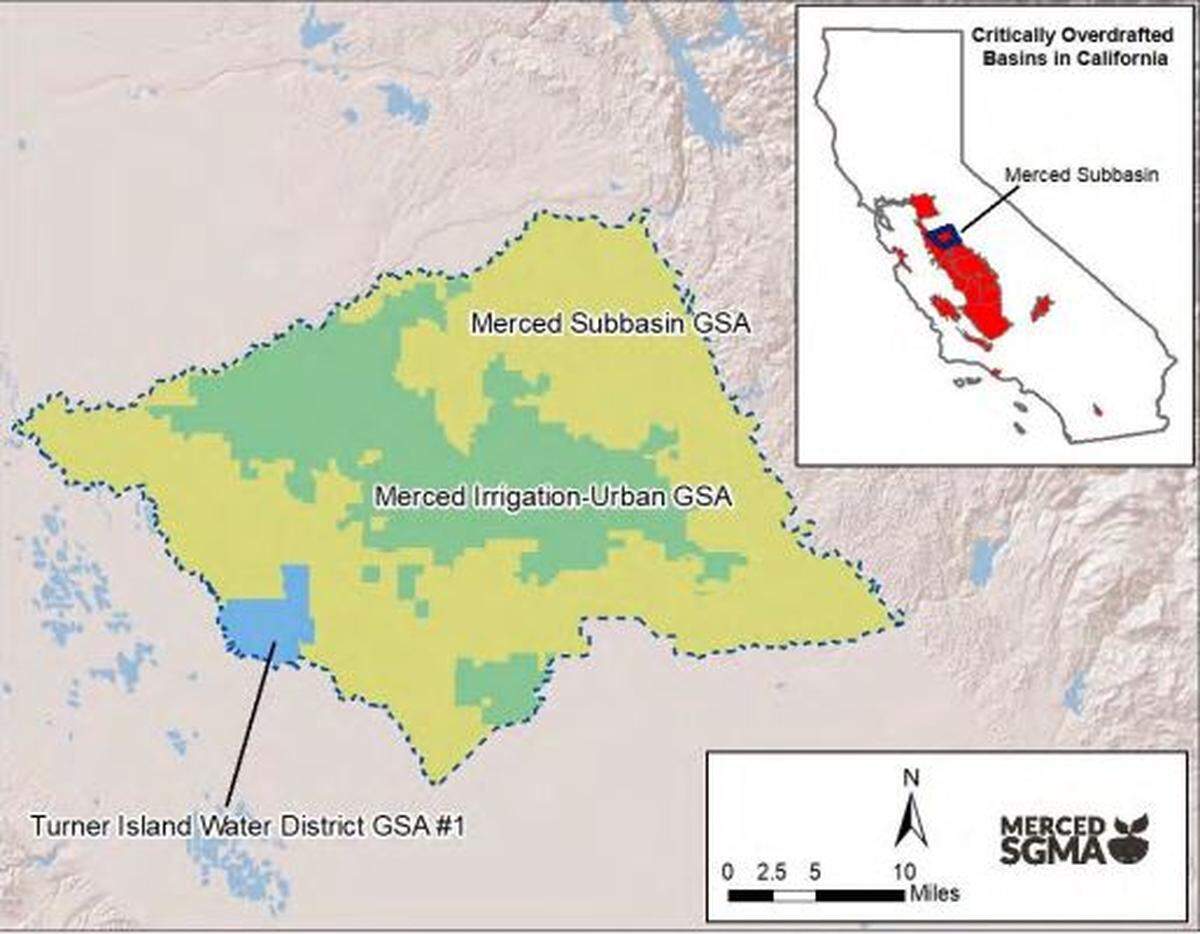
The Merced Groundwater Basin is one of 21 in the state identified as critically overdrafted, and one of 48 identified as high priority. A basin is critically overdrafted when the average annual amount of groundwater extraction exceeds the basin’s annual water supply. Most San Joaquin Valley basins are critically overdrafted.
The 2014 Sustainable Groundwater Management Act (SGMA) requires local groundwater sustainability agencies (GSAs) to develop a long-term plan for such basins by Jan. 31, 2020.
“The goal is to bring the basin into balance by increasing recharge and decreasing demand,” said Merced County Water Resource Coordinator Lacey Kiriakou. “The intention is that by 2040, we’re going to have a sustainable groundwater basin.”
Farmers have concerns
But California farmers are anxious. While the plan aims to create a steady and sustainable water supply for the Central Valley, groundwater limits will change its economic future. The Valley is sustained off its fertile land, with agriculture making up 20% of economic output and 18% of jobs.
In areas of nearby Tulare County, farmers will have to cut groundwater use by 40%. Some farmland will be forced to shrink, while others will not survive. An uncertain future and the Central Valley’s higher than average unemployment rate is making Valley farmers nervous for their livelihood.
“Because of the sustainable yield being lower than the current pumping rate, it could mean that land may have to be fallowed in order to reduce pumping,” Kiriakou said. “The GSAs do have the ability to impose allocations on individual users that would limit pumping.”
Groundwater extraction will be reduced by about 75% in areas of Merced County, said Nic Marchini, a farmer and Vice Chair of the Merced Subbasin GSA.
“From an agricultural perspective, the landscape will change,” he said. “I’m really hoping we can get our act together.”
Crops that require a lot of water, like almonds, may have to be cycled out for less thirsty ones like olives, Marchini said. Others with low marketplace value, such as crops used as feed by dairy farmers, will also be harder to justify growing, he said.
The Merced Subbasin’s water storage declines at an average rate of 192,000 acre-feet per year, mainly due to groundwater pumping.
Other impacts
The sustainability plan calls for agricultural and urban groundwater consumption to be reduced by 10% to achieve a net-zero groundwater change. Groundwater will be allocated to each local agency’s area of authority. An allocation agreement has not been reached, but would be developed once the plan is implemented.
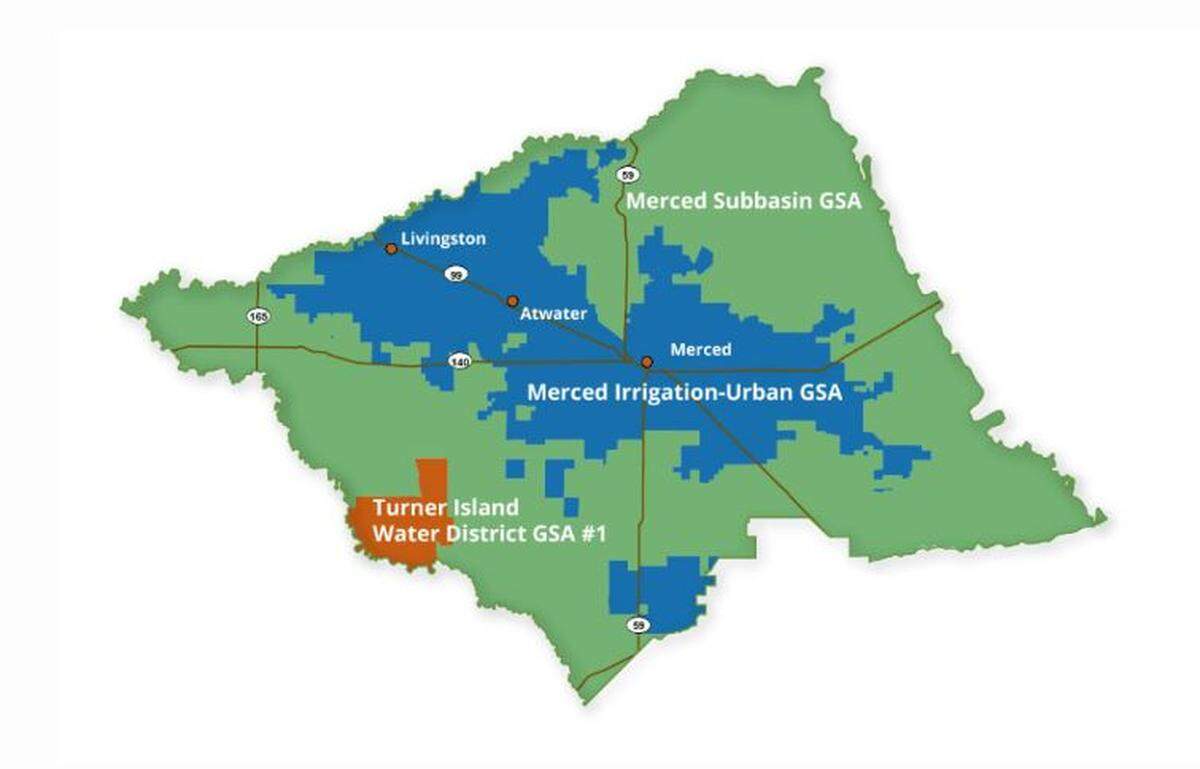
The plan will mainly affect those without access to surface water, said Marchini. Those within the Merced Irrigation District will see little change.
Recharge projects that put water back into the basin could also incur a cost for residents. Recharge opportunities are most promising in the southeast part of the basin, Marchini said. However, until the plan moves forward, there is no certainty which projects will be adopted, how much they will cost or how they will be paid for.
Implementing the plan is projected to cost between $1.2 to $1.6 million annually. Additional projects and management are expected to reach $22.9 million total.
Given the plan’s wide and long-lasting effects, the GSAs engaged the public and got feedback at Coordinating Committee and Stakeholder Committee meetings that were open to the public. The committees answered questions and took comments into consideration.
“I’ve had a lot of questions from my neighbors,” Marchini said. “Everybody is concerned.”
Marchini said the years of planning have been tense and exhausting, but that it is exciting to have the plan on the cusp of completion.
“Overall, I think agriculture is resilient, and will continue to be resilient,” Marchini said.