They’re big, furry and could destroy the Delta. California has a $2 million plan to kill them
California’s San Joaquin River Delta is in danger of being overrun by voracious beagle-sized rodents. The state has a plan to deal with them, but it’s going to take a lot of time and money.
Nutria, a large South American rodent, have become an invasive species in several states, including Louisiana, Maryland and Oregon. In March 2017, they were found in Merced County, alarming California wildlife officials because of the rodents’ potential to harm the water infrastructure that nourishes San Joaquin Valley farms and delivers water to thirsty cities.
Nutria can give birth to litters up to 12, and become pregnant again within 48 hours of doing so. They live in marshland and feed heavily on vegetation. Where they appear, ecological calamity follows, according to the state.
“Based on what is known about nutria and their current reproductive rate and distribution, without immediate action, nutria will rapidly expand their numbers and geographic presence and cause extensive damage to wetlands, riparian habitat, restoration projects, levees, water conveyance and flood-protection infrastructure, and agriculture,” according to a memo from the California Department of Fish and Wildlife.
That memo requests that the California Legislature appropriate $1.9 million for the 2019-20 fiscal year, and $1.6 million in funding in each subsequent year, to pay for a dedicated team of experts who track and eradicate the rodents.
Peter Tira, a Fish and Wildlife spokesman, said state biologists have trapped 386 nutria in California. Most of them were found in Merced, where biologist trapped 316 of the critters. They captured 56 in San Joaquin County, 12 in Stanislaus County and one each in Tuolumne and Fresno counties.
Within five years, the state estimates there could be nearly a quarter million nutria chewing up California’s endangered wetlands.
Right now, the Nutria Eradication Project has only one full-time, dedicated employee, an environmental scientist. The department is asking for funding for 10 full-time equivalent positions .
It’s not clear how the nutria, which have been a major environmental pest in California’s northern neighbor, Oregon, got into the state.
“We don’t know. We may never know,” Tira said. “But regardless, they’re here and we have to deal with them and we are dealing with them.
He said the primary concern is keeping nutria out of the San Joaquin River Delta. Nutria burrows in irrigation canals and levees pose a risk to drinking water and could expose downstream communities and farm fields to flooding.
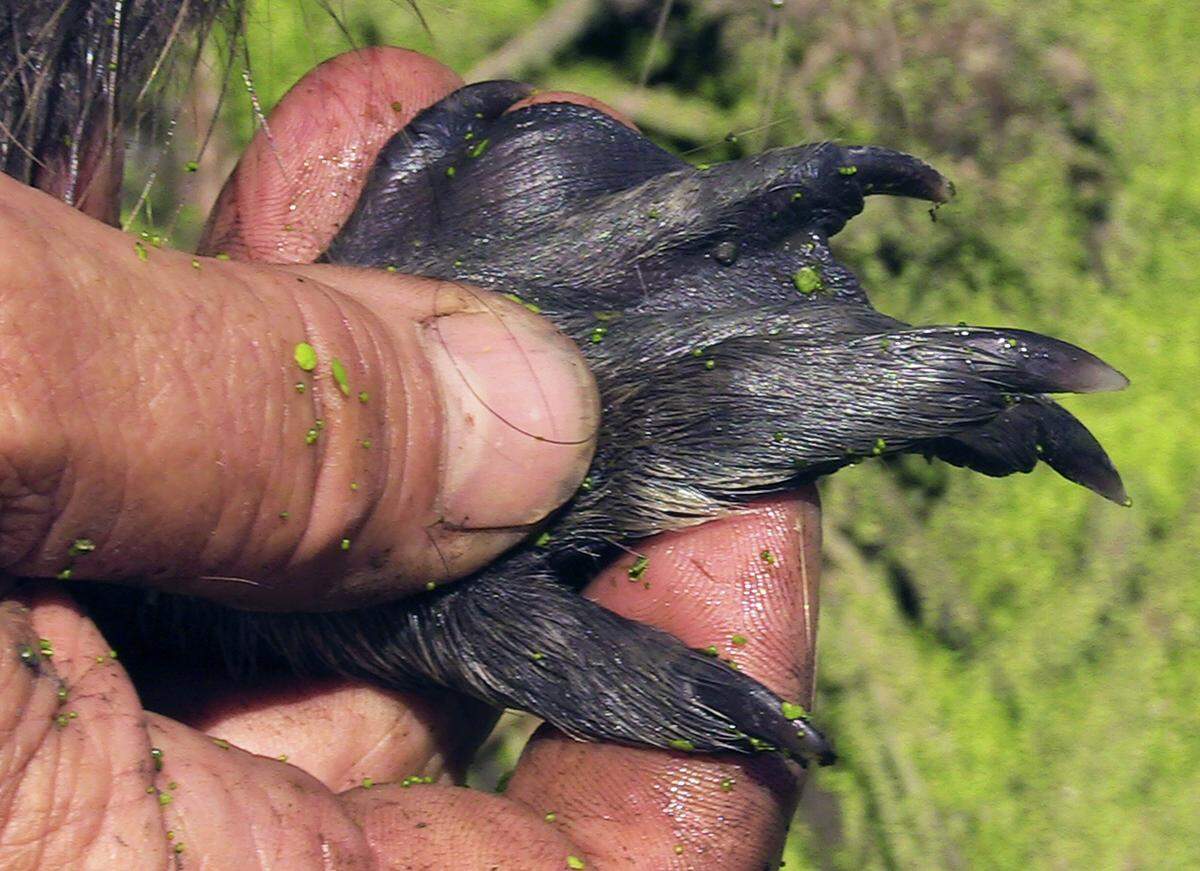
Trapping nutria is a painstaking process. First biologists go in and survey for signs of the rodents, and then they use trail cameras to confirm their presence. Often, nutria habitat, which is rugged and marshy, falls on private property, meaning state officials have to negotiate with the property owners for access.
“We’re optimistic we can remove them from the state, but it’s going to take some time, take some money,” Tira said. “It’s not going to happen overnight.
This story was originally published February 11, 2019 at 12:01 AM with the headline "They’re big, furry and could destroy the Delta. California has a $2 million plan to kill them."