US Forest Service logging challenged in California lawsuit to protect endangered mammal
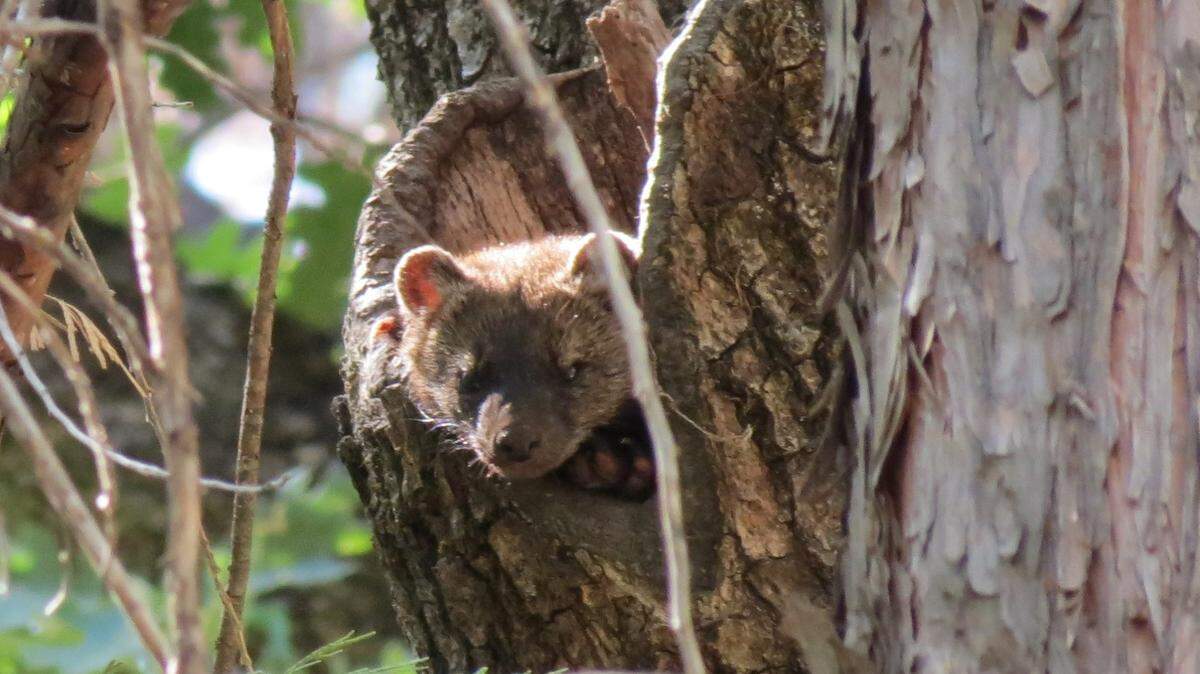
Logging and vegetation management in the Sierra Nevada is being challenged by a lawsuit filed in Fresno by California conservation groups seeking better protections for the endangered Pacific fisher, a tree-dwelling mammal in the weasel family.
The complaint against the U.S. Forest Service and U.S. Fish and Wildlife Service was filed by Unite the Parks, Sequoia Forestkeeper and Earth Island.
Unite the Parks Director Deanna Wulff said the lawsuit would protect old-growth forests, and that protection of large trees will also keep adjacent communities safer from wildfires.
On Tuesday, the original complaint filed March 26 in the Fresno division of U.S. District Court was followed by the request for a preliminary injunction. That asks a federal judge to halt projects in fisher habitat in Sierra, Sequoia and Stanislaus national forests until the court makes a final decision, a process that could take years.
“We are asking that the judge halt 45 logging projects in Pacific fisher habitat, until the fisher population and forest conditions can be fully reassessed in light of drastic changed conditions,” Wulff said.
“This is so permanent and irreversible damage is not done via logging of old growth trees and forest habitat, and the fisher does not become extinct. This is also so the forest isn’t made more flammable via logging. The projects are mostly in the Sierra and Sequoia National Forests, 44 of 45.”
The lawsuit states that numerous projects of concern are impacting, or will impact, at least over 87,000 acres of fisher habitat.
The hope is to receive a preliminary injunction by June, before many forest projects begin, said attorney Deborah Sivas of the Stanford Environmental Law Clinic, which is representing Unite the Parks in this case.

The motion states that logging in Southern Sierra Nevada fisher habitat could begin as early as May 31, “or sooner.”
Spokespeople for the Forest Service and Fish and Wildlife Service said they are unable to comment about pending litigation.
The complaint alleges those agencies failed to “adequately evaluate, protect, and conserve the critically endangered” population of fisher as required by the Endangered Species Act and the National Environmental Policy Act.
The Southern Sierra Nevada distinct population of Pacific fisher became a federally endangered species a few months before the massive Creek Fire ignited in eastern Fresno County last summer and destroyed more of the fishers’ dwindling habitat.
Scientists think there are less than 300 Southern Sierra Nevada fishers. The lawsuit states there was believed to be between 100 and 500 of these fishers over a decade ago, before many wildfires and widespread tree mortality from drought and beetle infestations.
Differing views about reducing wildfires
The lawsuit also challenges the assumption that clearing vegetation in national forests makes them more fire-safe.
“The agencies ignored a deep body of scientific evidence concluding that commercial thinning, post-fire logging, and other logging activities conducted under the rubric of ‘fuel reduction’ more often tend to increase, not decrease, fire severity,” the lawsuit states.
Part of that argument: Reduced vegetation also means there’s increased air flow, which dries out the forest and fuels ignition.
Wulff said there’s proof in observing how national forests in the region have been hit harder by wildfires than their less-managed national park neighbors, Yosemite and Kings Canyon. She said there’s a correlation between “heavily managed, heavily logged landscapes and frequent fires.”
The lawsuit affects the entire southern Sierra Nevada, from northern Yosemite National Park to the Kern River Valley, although the National Park Service isn’t named in it because “preservation and protection are key aspects of parks’ management.”
The Forest Service was established in 1905 to provide water and timber for the nation. The agency’s mission shifted again in the early 2000s, from timber industry support to a more holistic objective, but logging remains part of its mission. Wulff said that makes it problematic for the Forest Service to objectively manage the forest in a way that’s truly best for fire safety.
Logging companies want large trees, she said, not smaller vegetation that’s more apt to burn in fires. Language like “vegetation management” in Forest Service project documents often “hides what they are actually doing on the ground,” which is logging many large, old trees – the ones that are the most resilient to fire, she said.
The lawsuit also talks about how fishers need more than just large living trees, including an interconnected habitat of snags, understory brush and canopy cover.
Forest Service should do new analysis after fires, lawsuit says
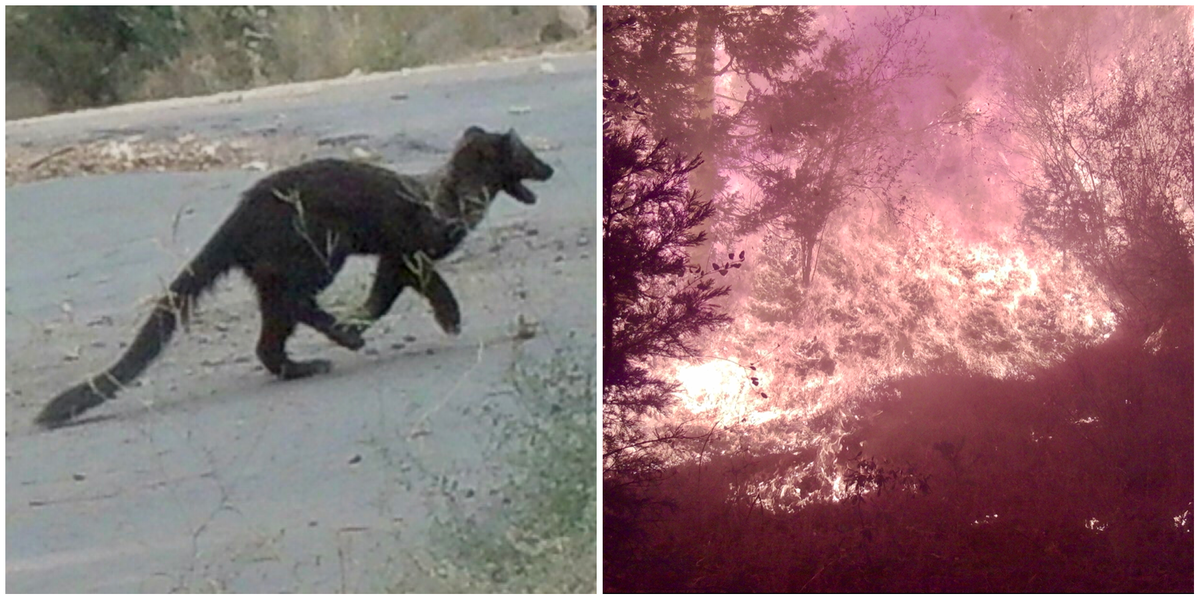
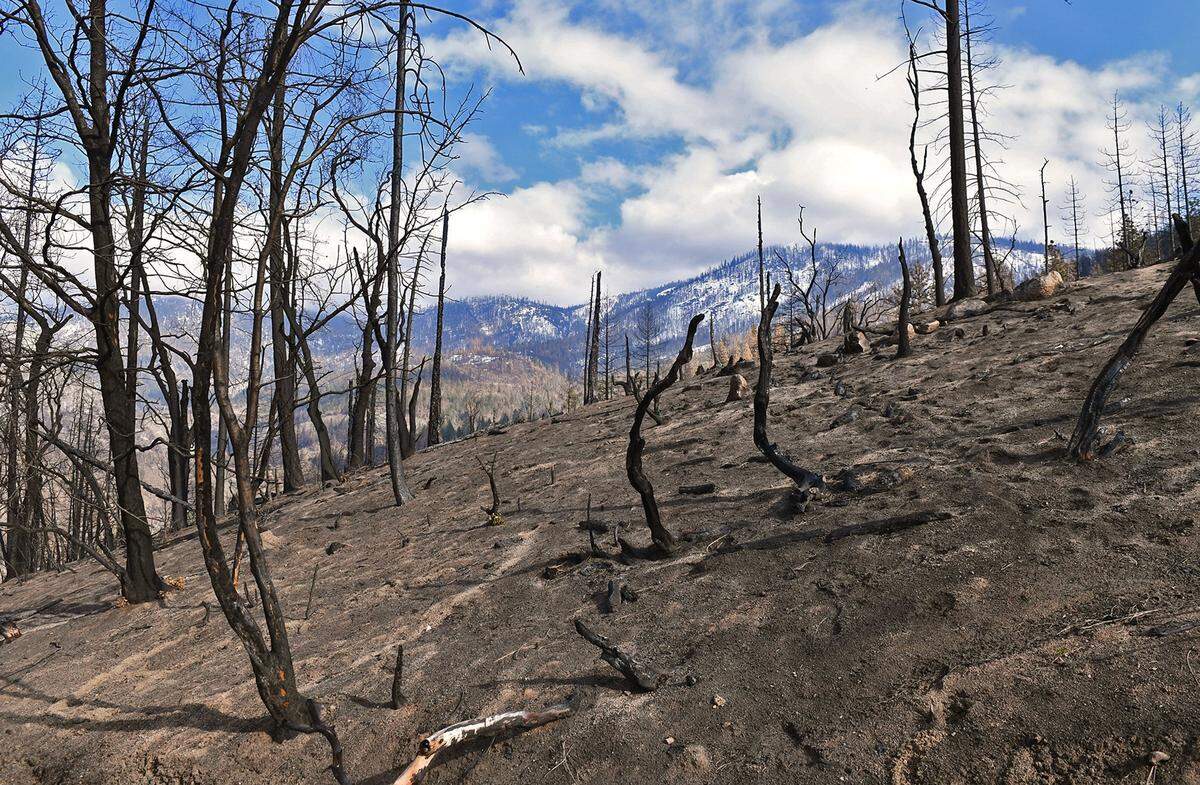
More than half a million acres were burned last year between the Creek Fire in Sierra National Forest and the SQF Complex in Sequoia National Forest and Giant Sequoia National Monument.
The lawsuit states logging plans weren’t changed after 2020 wildfires, although those fires affected “nearly 300,000 acres of fisher habitat and burned through several identified corridors through which fishers travel and disperse from one habitat area to another.”
The Forest Service said last month in an update about its long-awaited final forest management plans that those fires aren’t prompting big changes in draft forest plans released in 2019. Officials said the Forest Service still expects to do vegetation treatments in about 28% of Sierra National Forest – the same percentage as before the Creek Fire burned about a third of the forest.
The fisher lawsuit challenges the Forest Service’s decision to go forward with its plans without “any new population estimates or viability analysis,” or “any relevant science to support their conclusions about fisher populations.”
It asks the court to order the Forest Service to prepare a supplemental National Environmental Policy Act (NEPA) analysis following recent changes: The fisher becoming federally endangered last year, coupled with catastrophic fires in its habitat.
Unite the Parks concerned about logging of large, old trees
Wulff described her on-the-ground knowledge of Sierra National Forest conditions as “very high.” She has spent hundreds of hours mapping and surveying the forest for a campaign that started more than seven years ago to convert it into a new Range of Light National Monument. That’s the primary goal of Unite the Parks, based out of Mariposa and Los Osos.
Sequoia ForestKeeper is based in Kernville and Earth Island Institute is out of Berkeley.
While doing this work, Wulff said she noticed most fisher habitat was in unprotected areas available for vegetation treatments and logging.

“It appeared that the Pacific fisher population was highly vulnerable to ongoing management activities,” Wulff wrote in a court document submitted Tuesday, “including timber sales, post-fire salvage logging, hazard tree logging, mastication, bulldozing, herbicide application, road-building, and OHV use.
“The forest seemed disrupted and heavily abused. I became even more concerned for the future of the area and the future of the fisher.”
She said while the Forest Service likes to talk about thinning small trees killed by beetle infestations, “I’ve rarely seen it.”
“I’ve mostly witnessed bulldozing and timber sales,” she continued, “sometimes described as ‘hazard’ sales, which fell the larger trees and involve a host of destructive activities, such as road maintenance and road construction.”
She read through thousands of pages of Forest Service project documents, and said the data implied that more than 1,000 trees between 100 and 500 years old were felled and sold as part of a “hazard” tree sale.
“There’s a lot of ways the Forest Service can get around existing regulations.”
This story was originally published April 22, 2021 at 5:00 AM with the headline "US Forest Service logging challenged in California lawsuit to protect endangered mammal."