
Here are your safe tampon alternatives as shortage hits US pharmacies, California doctor says
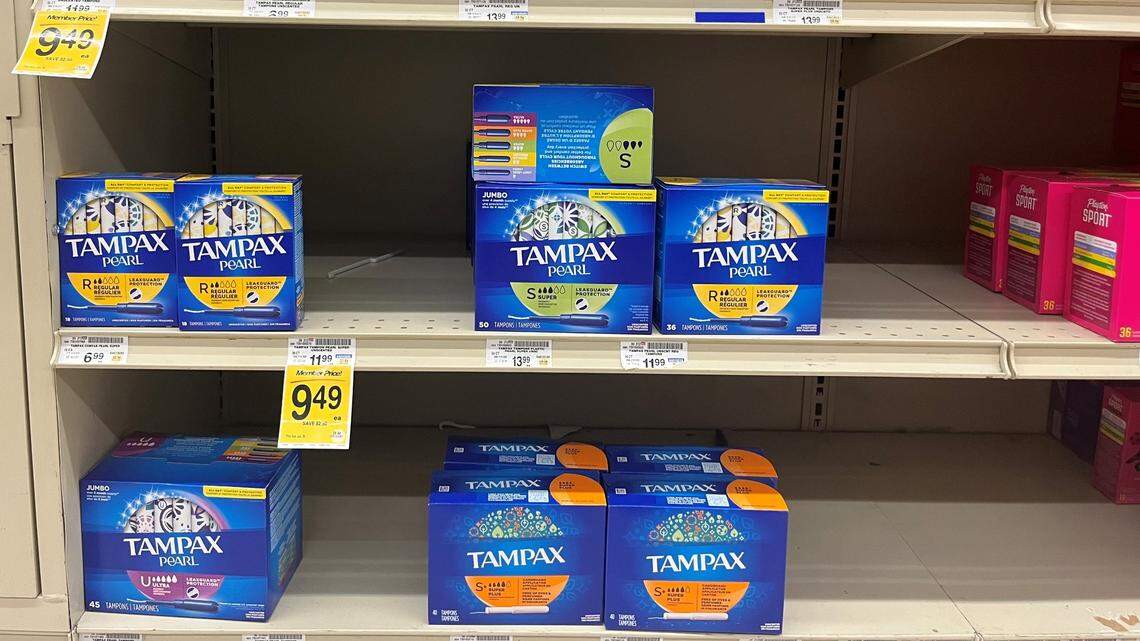
Just last month, baby formula fell victim to supply chain shortages, hitting the Sacramento area especially hard. Now, tampons are harder to come by — and more expensive — in pharmacies nationwide.
Inflation has also hit tampons, with prices up 10% this year, according to Bloomberg.
The Bee talked to Dr. Clara Paik, a gynecologist from the University of California, Davis, on what this shortage means for people who menstruate, if switching brands is safe and suggestions for alternative period products.
What does the tampon shortage mean?
Paik said that even if tampon shortages haven’t necessarily hit the area yet, at some point, “it will definitely affect us.”
Since tampons are highly used, the shortage affects a lot of people who prefer them over pads. They are especially preferred while doing any physical activity, such as exercising.
“It’s added stress and a burden in that they now have to mentally think where to get supplies for my period that’s coming,” she said.
The shortage will most likely take a greater toll on unemployed people, she said, and those who come from a lower socioeconomic status. Students with a small disposable income may also struggle to afford tampons, although California public schools are required by law to provide free menstrual products.
“Everything is expensive including food, and if you have a family and what not, you’re going to buy those necessities before you probably buy tampons and pads for yourself,” she said.
Can I switch tampon brands?
In short, all tampon brands on the market are safe to use, the OB-GYN medical director said.
“If you’re stuck on a particular brand and that’s what you’ve been using, you can switch to another brand,” Paik said.
Outside of name brands, pharmacy, Target and other tampon store brands are acceptable options to use.
Safe substitutes for tampons
Fortunately, there are many available alternatives to tampons — some of which are cheaper and longer lasting.
She noted there are no downsides to switching over to pads or other underwear liners, which is a common method among people who prefer to not insert or remove tampons.
The period cup is another option. Depending on your flow, this device may take some time to adjust to, but they can remain in your body for up to 12 hours, Paik said.
Here is a list of some cups and general cost:
“A lot of people use it because they don’t have to rely on buying tampons all the time; they want to be better for the environment and maybe save money in the long run,” she said.
Cups should be emptied twice a day, and should be washed and wiped clean before reinserting, according to HealthLine. On average, menstrual cups cost anywhere from $20 to $40; a box of tampons costs around $7.
Period underwear is another example of a reusable feminine hygiene product that can serve as an alternative to tampons. A single pair ranges from $22 to $46, according to Consumer Reports.
Other options
If buying a store product is still not affordable for you, anything that can collect blood is an effective way to deal with your menstrual flow, Paik said. Some examples include wrapping up tissue paper or DIY cloth pads made with cotton balls.
“A lot of women who can’t afford sanitary napkins, they will devise their own way of dealing with it,” she said. “Back in the day, they just used cloth or some material to collect the blood and they would wash it and reuse it.”
Do not make your own tampons
However, Paik does not recommend people make their own tampon substitutes. Risks associated with this method include bacterial vaginosis, which can alter the balance of vaginal bacteria.
“Theoretically if you leave something up there, it might cause more discharge, and having a foreign body in the vagina can cause an odor or change the pH,” she said.
Does birth control help with periods?
Another way to deal with periods is by opting to not get it altogether through pills, patches and vaginal rings, and IUDs “which can lessen the period” and can help reduce dependence on tampons or pads.
She said people should speak to their primary care doctor, nurse practitioner or local pharmacist for questions on how to deal with their periods.
Birth control is often used as a method to help menstrual cramps.
This story was originally published June 15, 2022 at 12:57 PM with the headline "Here are your safe tampon alternatives as shortage hits US pharmacies, California doctor says."