
Is California’s next health concern blood-sucking mosquitoes? All this water spells trouble
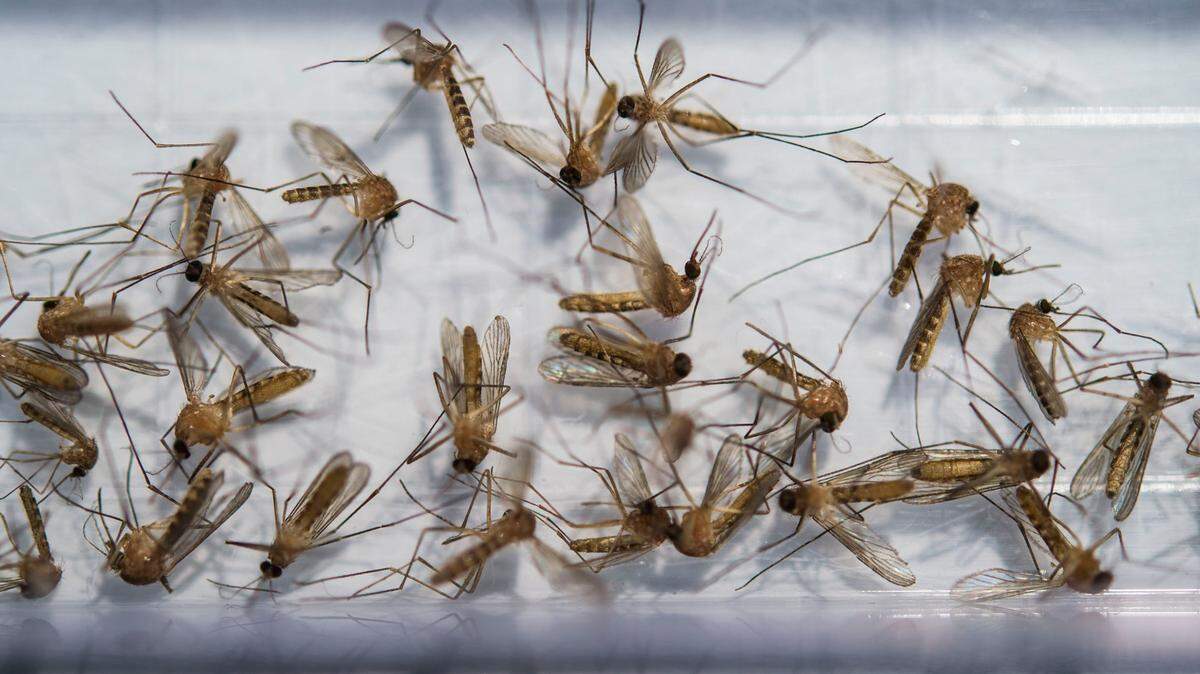
The copious amount of rain and snow that accelerated California’s drought recovery has triggered the state’s next public health concern — and this one sucks your blood.
Mosquitoes require water to complete their life cycle and California suddenly has a lot of it. More water means an increase in the transmission rate of the vector-borne disease West Nile Virus, that killed 13 residents last year, according to state data, last updated March 23.
“I think the real question is: What happens next?,” said director Dr. Chris Barker with the Pacific Southwest Center of Excellence in Vector-Borne Diseases.
If the weather remains cool and wet through the spring, the growing season could be pushed back, creating more water for mosquitoes but a delay in their activity. If the weather dries up over the next couple of months, agricultural production could start sooner and so would mosquito season.
“That’s what makes it complicated to say whether drought or wet conditions are worse for mosquitoes,” Barker said.
“And in some sense, they’re both bad.”
West Nile Virus in California
West Nile Virus — transmitted from birds to humans and animals — is common in the U.S., but especially in California with more than 7,600 human cases since 2003. In recent years West Nile transmission rates have been low, meaning lower immunity which is “ripe for an epidemic.”
“If it starts drying out relatively soon, that would probably be worse from a human health standpoint,” Barker said.
Laboratory director Dr. Sarah Wheeler with the Sacramento-Yolo Mosquito & Vector Control District said it’s early, but still “very likely” to see hungry adult mosquitoes searching for blood to kick-start their reproductive cycle. Once the warm weather settles, the ankle biters will begin to lay eggs along the surface of stagnant water and flooded areas.
If the right species — Culex pipiens or Culex tarsalis — with the West Nile virus pierces your skin and sucks your blood, you will become infected. You are at the highest risk for exposure to the virus during the dry, warm months like July and August.
“Especially if you’re on your back patio enjoying the nice weather making it easy for mosquitoes to find you,” Wheeler said.
According to the U.S. Centers for Disease Control and Prevention, eight out of 10 people infected with the West Nile Virus are asymptomatic. Roughly one in five people develop a fever as well as a headache, body aches and joint pains, vomiting, diarrhea and rashes.
In extreme cases, fatigue can last for months and patients need to be hospitalized. People over 60 as well as those with certain medical conditions are at greater risk for illness.
No vaccine or medication is specifically targeted for the West Nile virus, according to the CDC.
How to curb mosquito activity
Though annoying to most humans, mosquitoes have an ecological role to play.
Beyond pollination, the cold-blooded insects serve as a primary food source for several animals like hummingbirds, birds, dragonflies and turtles, according to the National Wildlife Federation.
“It’s a balancing act...you can cut down the population, but there is a cost,” said Dr. Lynn Kimsey with UC Davis Bohart Museum of Entomology which hosts nearly 8 million specimens of mosquitoes.
To decrease the number of mosquitoes around your property, dump any standing water. If you are seeing a lot of mosquitoes and live in Sacramento or Yolo counties, call Sacramento-Yolo Mosquito & Vector Control District at 800-429-1022.
The control district is opening ditches for water to drain properly along roadways and using mosquito fish and larvicide to curb the spread of adult insects.
This story was originally published April 3, 2023 at 5:00 AM with the headline "Is California’s next health concern blood-sucking mosquitoes? All this water spells trouble."