
Tahoe bears will search for food in lower-elevation towns. Is your home ready for them?
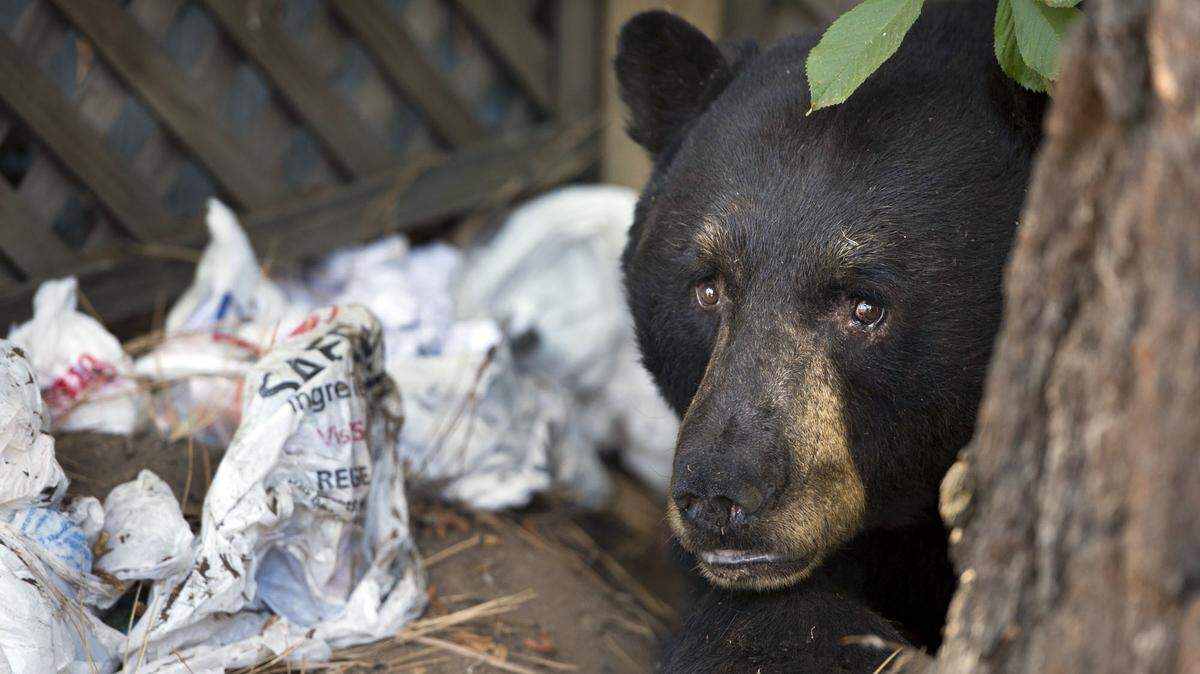
These stockily built animals with unusually small eyes are in for a difficult spring in California.
Hungry bears will soon emerge from their winter dens in the Lake Tahoe region onto one of the deepest snowpacks on record. In search for food to rebuild their fat reserves, the animals will instinctively move to lower elevations, according to a March statement from the California Department of Fish and Wildlife.
The snow, covering the grass and sprouts they’d typically eat, will cause them to search for easier routes like roads and trails as they wind through the mountains into residential areas.
A word of advice from environmental scientists: Allow bears to be wild and don’t assume cubs need your help.
“It’ll be a challenge for them but it’s certainly not something that nature hasn’t prepared them to deal with,” said senior environmental scientist Eric Kleinfelter with the California Department of Fish and Wildlife’s Northern Central region.
While some bears might be busy dodging snow, others will choose to skip conditions altogether.
The animals — which don’t fully hibernate — could sleep longer into the spring season, said environmental scientist Alexia Ronning with the California Department of Fish and Wildlife.
Some will wake up on sunny days to roam and feed and go back to sleep when the snow starts again.
“We don’t know — this crazy cycle of weather we’ve had all year — it can continue into the spring, so they’re just going to adjust their sleep schedules to it,” she said.
Don’t feed bears (or any wild animals)
Bears have a specialized diet.
Early in the spring, bears are looking for grass and forbs in meadow areas, said environmental program manager Caitlin Roddy with the California Department of Fish and Wildlife. In the summer months like June, July and August, the animals are on the hunt for berries and will travel up hillsides to gather them.
Bears also feed on insects, the fruit of forest trees and a small portion of animal matter.
Once bears enter urban areas in search of food they can’t access at high elevations because of the snow, remember whether intentional or not — it‘s illegal to feed them.
Feeding wildlife has serious implications, one of them being the loss of fear and increased aggressiveness toward people. According to the U.S. Department of Agriculture’s Animal and Plant Health Inspection Service, human food can kill them.
How do I keep bears away?
Bears are curious creatures and will inspect just about anything with an odor, good or bad.
If a bear gets too close to you said Ronning, a member of the California Department of Fish and Wildlife’s Human-Wildlife Conflicts Program, make loud deterrent noises like clapping and yelling. Bear spray is also helpful, especially if you’re hiking in the Tahoe area.
Air horns deter bears from homes, she said.
Black bear informational website BearWise has more tips to keep the bears away from your home:
Prepare your home
- Close and lock windows
- Bears can climb, so don’t leave trash out even on the upper levels of your home
- Keep garage doors closed
- Keep pet doors locked at night
Prepare the outdoors
- Clean the inside of your trash and recycling cans, and close your containers
- Don’t leave trash out overnight
- Don’t leave food or drinks in your car, throw away scented air fresheners and keep your vehicle locked
- Don’t leave food unattended when cooking or eating outdoors and pack up your grill when you’re done
- Take down bird feeders
- Do not put pet food outside
- Pick up fallen fruit daily or before it ripens
- If you compost, consider doing it indoors
If you have animals
- Use bear-resistant enclosures or electric fences to protect them
- Don’t bury animals near homes, buildings or areas filled with livestock
This story was originally published April 8, 2023 at 6:00 AM with the headline "Tahoe bears will search for food in lower-elevation towns. Is your home ready for them?."