How can you tell if you’ve been infected with the latest COVID-19 strain? Can at-home tests detect it? And what can you do to avoid getting sick?
Here’s what you need to know:
According to the latest data from the U.S. Centers for Disease Control and Prevention, KP.3.1.1 cases have nearly doubled. Getty Images
What are the current COVID-19 levels in California?
As of Friday, COVID-19 activity levels in California were “very high,” according to the latest data from the federal Centers for Disease Control and Prevention.
As of Aug. 9, the state of California had an average test positivity rate of 14.3% over a seven-day period, according to the California Department of Public Health.
This is an increase of 2.3% compared to the previous week, the department said on its website.
The state health department reported that COVID-19 was the cause of 1.8% of total deaths in California over the previous seven days, as of Aug. 9.
Eric Topol, a molecular medicine professor at Scripps Research, wrote in a post on X that the new variant poses “more of a challenge to our immune response than KP.3 and prior variants” — especially for those without latest vaccinations.
New US Covid genomic surveillance The KP.3.1.1 variant is on the move to become dominant, more of a challenge to our immune response than KP.3 and prior variants (especially without new KP.2 booster when we need it for high-risk individuals) pic.twitter.com/swyPx9bHCH
The Tri-Cities area may be past the peak of the fall and winter respiratory illness season, but cases of COVID, flu and RSV linger. The Good Brigade GettyImages
While the new strains of COVID-19 are “indeed more transmissible than the original (ancestral) strain of SARS-CoV-2,” variations in symptoms between the FLiRT variants and the original COVID-19 strain have not yet been identified, the medical association reported in July.
Symptoms of KP.3.1.1 are similar to those of the other COVID-19 variants. They include:
Fever or chills
Cough
Shortness of breath or difficulty breathing
Fatigue
Muscle or body aches
Headache
New loss of taste or smell
Sore throat
Congestion or runny nose
Nausea or vomiting
Diarrhea
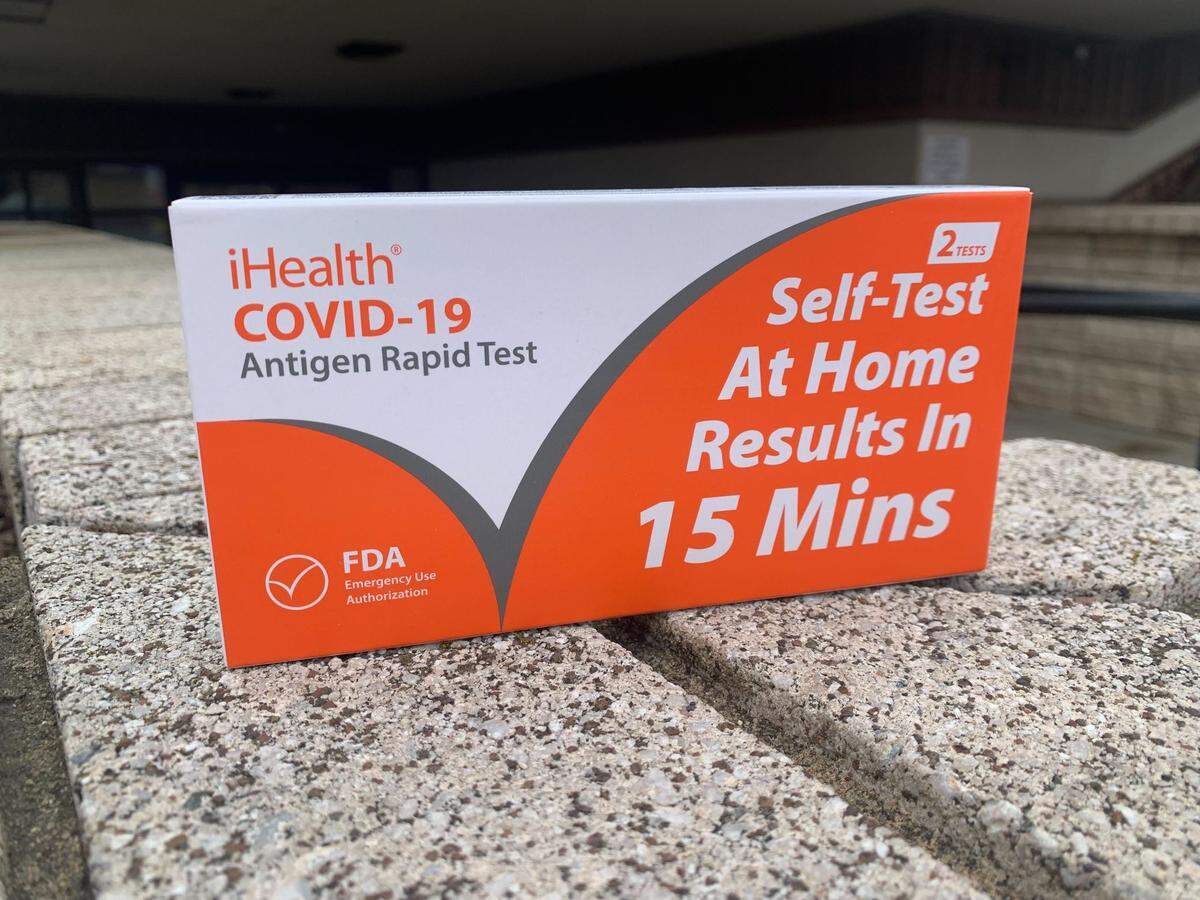
A COVID-19 Antigen Rapid Test kit. Daniel Hunt dhunt@sacbee.com
Will at-home tests detect COVID variants?
While the presence of mutations in SARS-CoV-2 can potentially impact test performance, the COVID-19 tests are designed to detect all known variants, according to the U.S. Food and Drug Administration’s website.
“We expect COVID tests to work well against all versions of the virus,” the CDC told The Sacramento Bee in January.
While the Food and Drug Administration’s website states that tests will typically confirm if you have SARS-CoV-2 or one of its strains, the tests cannot identify which specific variant you have.
“The FDA continues to conduct analyses to identify tests for which performance may be impacted for known SARS-CoV-2 variants,” the administration’s website states.
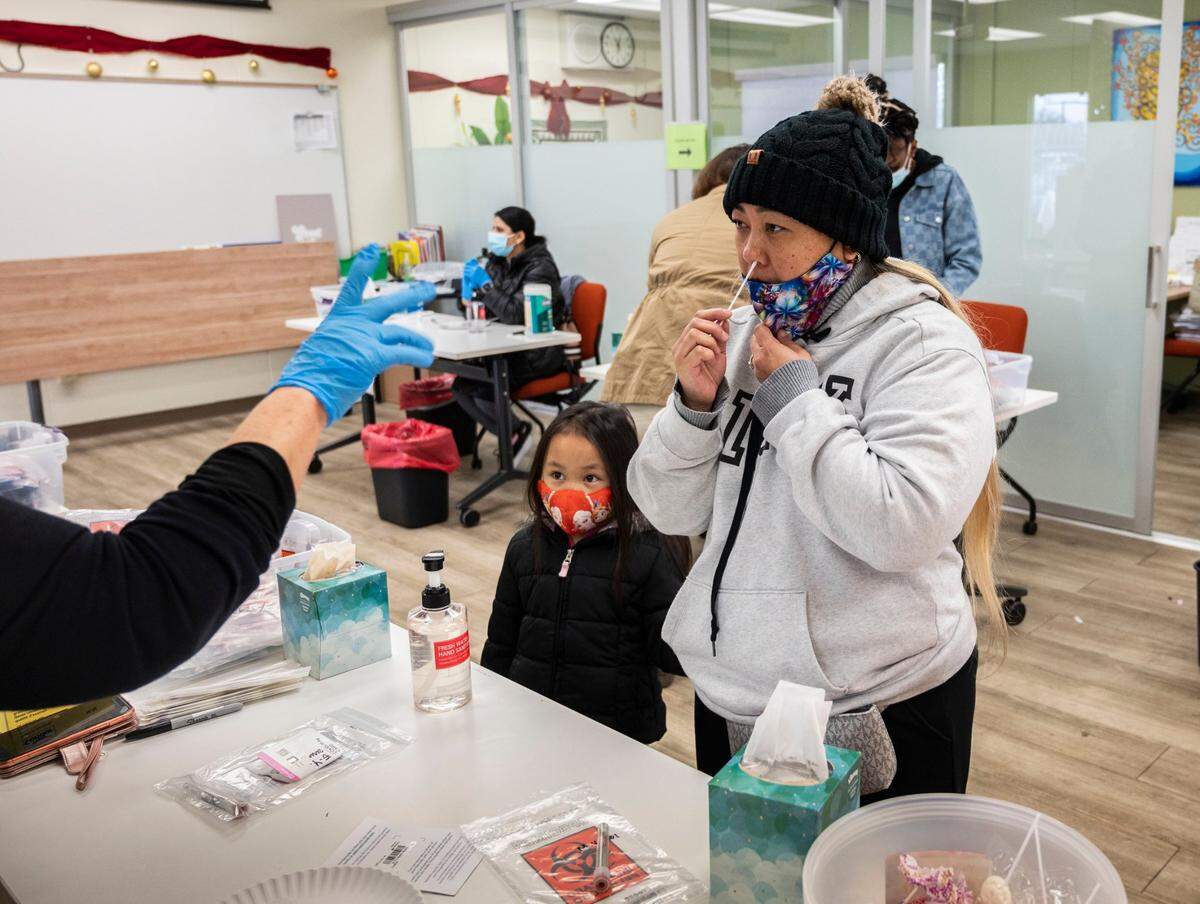
Mai Vang, of Sacramento self tests herself on Monday, Jan. 3, 2022 for COVID-19 at the La Familia Counseling Center in South Sacramento as her daughter Ella Yang, 5, waits for her test. Some people waited more than two hours in line. Hector Amezcua Sacramento Bee file
The CDC said a polymerase chain reaction test, which is taken by a doctor and processed in a lab, is more reliable in detecting if you are negative for COVID.
If you take an at-home test, a negative result may not always be accurate.
“Positive results are very accurate and reliable,” the CDC said about antigen tests. “However, in general, antigen tests are less likely to detect the virus than PCR tests, especially when symptoms are not present. Therefore, a single negative antigen test cannot rule out infection.”
In June, the CDC announced the 2024–2025 COVID-19 vaccines are expected to be available this fall 2024. Getty Images/iStockphoto
Will vaccines protect me against coronavirus variants?
“The newest vaccine works really well” to protect yourself from FLiRT variants, Dr. Peter Chin-Hong, a professor and doctor specializing in infectious disease at the University of California, San Francisco, told The Bee in May.
Vaccines are consistently updated to the latest strain of COVID-19 to help people avoid severe disease and hospitalization, Chin-Hong said.
CORRECTION: An earlier version of this story included a photo of a COVID-19 antigen rapid test kit with a caption that incorrectly stated that Sacramento Public Library and Folsom Public Library locations are giving out free test kits. This is no longer the case. The error has been corrected.
Angela Rodriguez is a service journalism reporter for The Bee. She is a graduate of Sacramento State with a bachelor’s degree in journalism. During her time there, she worked on the State Hornet covering arts and entertainment.