Prop. 33, California’s rent control measure, fails for third time despite housing crisis
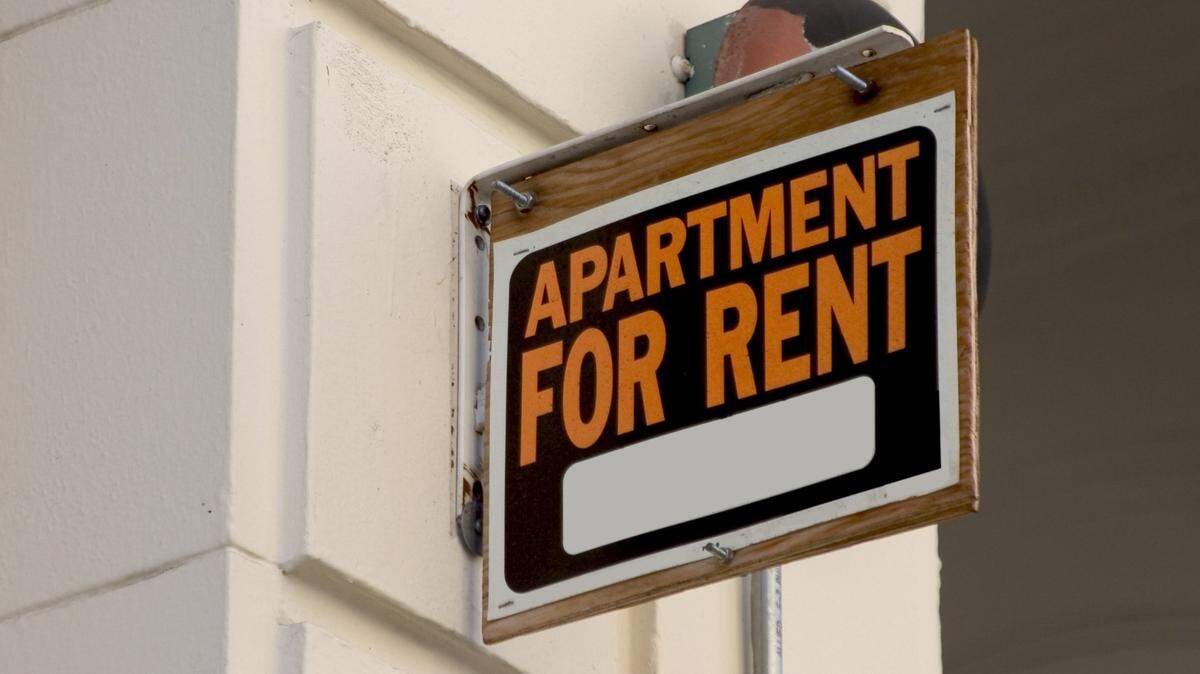
The third attempt to overturn a state law restricting rent control failed, according to The Associated Press, following a contentious and expensive campaign around one of California’s most pressing issues: housing affordability.
More than 62% of voters rejected Proposition 33, according to unofficial election results from the California Secretary of State. Previous attempts to overturn a state law restricting rent control failed in 2018 and 2020.
Another related ballot measure, Prop. 34, remained a close race — 51% of people voted “yes” as of 1:00 a.m. Wednesday. The prescription drug measure was drafted to prevent the main Prop. 33 sponsor, the AIDS Healthcare Foundation, from spending its funding on ballot campaigns, instead of patient care.
The issue of housing affordability is a dire one in California. Renters here typically pay about 50% more for housing than those in other states, according to the nonpartisan Legislative Analyst’s Office. Prop. 33 sought to tackle the issue by reforming how much landlords can charge renters.
Prop. 33 would have repealed the Costa-Hawkins Rental Housing Act, which prohibits the state from limiting cities and counties’ rent-control ordinances. Under the 1995 law, cities cannot control rent of apartments and single-family homes built after that year. When new tenants move in, landlords can set new rental rates under the law.
The proposition’s main supporter, the Los Angeles nonprofit AIDS Healthcare Foundation, has sought to repeal the law governing rent control for years. The foundation has a number of rental properties in Los Angeles and President Michael Weinstein has been criticized in lawsuits as a “notorious slumlord” with a “long record of health and safety violations and unfair evictions.”
Prop. 33’s opponents included the California Small Business Association and the California Rental Housing Association.
One of the most public ballot measure campaigns this cycle, voters were inundated with television and radio advertisements urging “yes” and “no” votes on Prop. 33.
Consuming nearly half of the total raised for all of the propositions appearing on November ballots, which was more than $360 million as of Friday, both of the Prop. 33 campaigns spent heavily to influence voters. Deep-pocketed opponents of Prop. 33 raised over $124 million to fight the rent control measure, while supporters raised over $50 million.
The measure was criticized for its potential to overturn affordable housing laws and remove the attorney general’s power to enforce housing laws. Others argued that it would exacerbate California’s housing crisis by allowing cities to block new housing developments.
Prop. 34, which seeks to block the AIDS Healthcare Foundation from pursuing rent control measures like Prop. 33, was written to impose stricter rules governing how California nonprofits can earn revenue from discounted prescriptions.
Certain healthcare nonprofits, such as the AIDS Healthcare Foundation, participate in a federal program that allows them to purchase prescription drugs at a discounted price. If passed, Prop. 34 will regulated how the AIDS Healthcare Foundation spends the bulk of profits from selling discounted drugs, by requiring nonprofits to direct that revenue to patient care, rather than ballot campaigns.
Opponents called Prop. 34 a “revenge initiative” against the AIDS nonprofit.
Summing up the debate over Prop. 33 and the need for more affordable housing, UC San Diego Political Science Professor Thad Kousser said, “People agree on the problem, but not on the solution.”
The majority of voters who rejected Prop. 33 recognize that something needs to be done about affordable housing in California, Kousser said, but found that rent control wasn’t the answer.
Kousser noted that there were pro-affordable housing groups on both sides of the ballot measure, which has made it difficult for voters to make a choice even if they want to address the housing crisis.
Manuel Pastor, the director of the Equity Research Institute at the University of Southern California, said Prop. 33’s opponents were able to successfully campaign against the measure by convincing voters that it would decrease California’s housing supply. Pastor said research has shown that moderate rent control regulations haven’t resulted in decreased apartment construction.
He also noted that Prop. 33’s complexity could have confused voters. The rent-control proposition didn’t impose new housing regulations, but merely gave cities and counties the permission to establish new laws to control rent for various types of housing.
Appearing on California ballots for the third time, the rent-control measure likely has voters asking themselves, “Didn’t we already vote on this?” Pastor said.
This story was originally published November 5, 2024 at 8:46 PM with the headline "Prop. 33, California’s rent control measure, fails for third time despite housing crisis."