Yolo County to honor braceros. Here’s why the Mexican workers were so important to the area
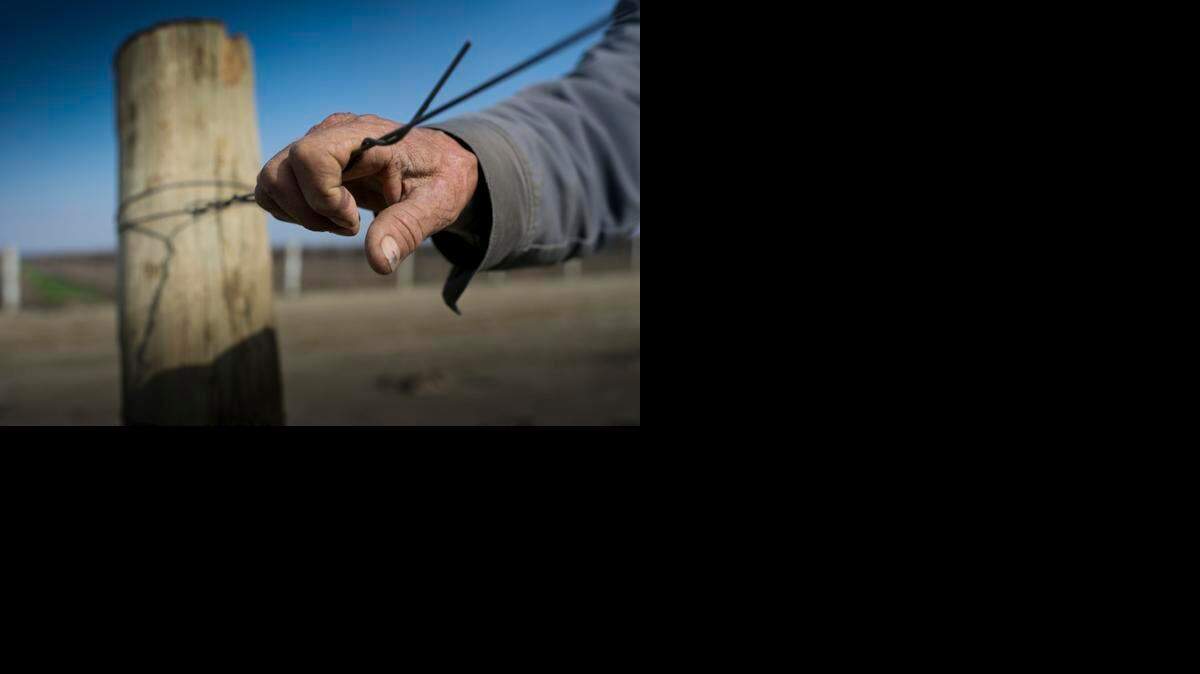
Decades ago, Yolo County eagerly welcomed thousands of Mexican nationals across the border.
The temporary workers, known as braceros, came under a 1942 agreement between the U.S. and Mexican governments to fill a national agricultural labor gap left by American workers serving in World War II.
Now, more than 80 years after the program began and amid ongoing national anti-immigrant rhetoric, Yolo County will honor these workers and their legacy with a one-day exhibit. The exhibit, which will include photographs and historical items, will be held Dec. 3 at the Yolo County Administration Building.
This remembrance is important given that Yolo County particularly benefited from the 22-year program. In 1958, the county was estimated to have 10,144 seasonal workers which represented over 10% of those statewide, according to the book “Healing Multicultural America.”
“These are grandfathers, fathers whose histories are overlooked in schools and society on both sides of the border — in Mexico and the United States,” said Melissa Moreno, co-founder of the Ethnic Studies YOLO Academy, an organization helping coordinate the exhibit.
Moreno, the daughter and granddaughter of braceros, said many of these seasonal workers opted to settle in the area even after the program ended in 1964. Today, 33% of Yolo County residents identify as Hispanic or Latino, according to the most recent census. Their population increase indirectly led to an expansion of agricultural research, Moreno added.
“The Bracero Program’s legacy is deeply woven into the fabric of Yolo County’s history,” said Yolo County Board of Supervisors Angel Barajas in a statement. “Their stories remind us of the strength of immigrant communities and the importance of preserving this history for future generations.”
The exhibit will also highlight the program’s “complicated history,” Moreno said.
While the program provided a cheap and steady supply of laborers for the nation’s growers, many of the workers lived in substandard conditions, received low wages and endured strained relationships across the border. Some braceros have since received back pay, but only with proof of an ID.
The exhibit — Mexican Bracero Legacy in Yolo County Exhibit — will be displayed in the Yolo County Administration Building lobby from 9 a.m. to 5 p.m. on Dec. 3. The Yolo County Board of Supervisors will consider a resolution to recognize the bracero legacy that day as well.
This story was originally published November 25, 2024 at 2:25 PM with the headline "Yolo County to honor braceros. Here’s why the Mexican workers were so important to the area."