
Federal judge sides with California AG, blocks Trump’s order ending birthright citizenship
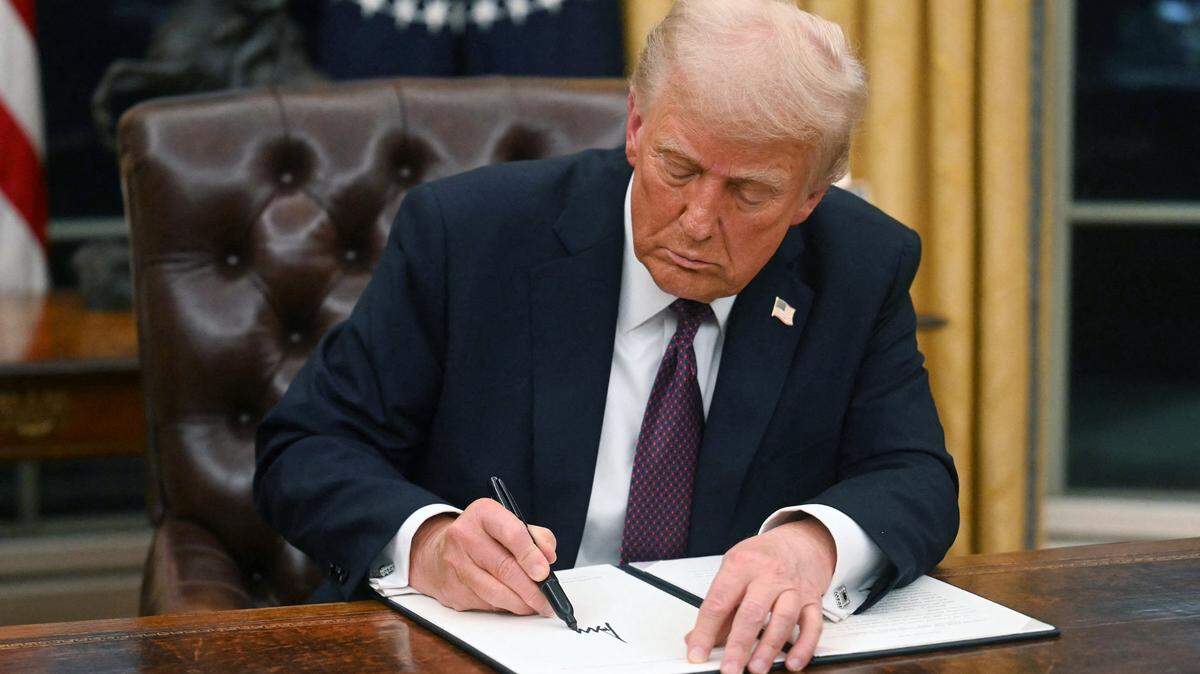
A multi-state effort, including California, to block President Donald Trump’s executive order ending the constitutional right of birthright citizenship won a victory Thursday, when a federal judge in Massachusetts issued a preliminary injunction barring the order from going into effect until the legal challenge is resolved.
California’s attorney general and San Francisco’s city attorney were among the plaintiffs who challenged Trump’s Jan. 20 order, which defies the Fourteenth Amendment of the Constitution and more than a century of Supreme Court legal precedent by declaring that the children of undocumented immigrants who are born in the United States are not citizens of this country.
The executive order was set to go into effect Feb. 19.
“President Trump may believe that he is above the law, but today’s preliminary injunction sends a clear message: He is not a king, and he cannot rewrite the Constitution with the stroke of a pen,” the coalition of attorneys general, including California AG Rob Bonta, said in a statement following U.S. District Court Judge Leo Sorokin’s ruling.
Sorokin noted in his decision that the U.S. Supreme Court in 1898 upheld the Citizenship Clause of the Fourteenth Amendment — “All persons born or naturalized in the United States, and subject to the jurisdiction thereof, are citizens of the United States and of the State wherein they reside” — and that subsequent courts, Congress and presidential administrations all have accepted that decision.
“A single district judge would be bound to apply that settled interpretation, even if a party were to present persuasive arguments that the long established understanding is erroneous,” Sorokin wrote. “The defendants, however, have offered no such arguments here.”
The judge wrote that “allegiance to the United States” stems from birth, not the status of a child’s parents. Trump’s argument that it does would mean that the children of people with dual citizenship or lawful permanent residents also would not be birthright citizens.
Trump also had argued that citizenship requires the mutual consent of both the person and the nation.
“This theory disregards the original purpose of the Fourteenth Amendment: to recognize as birthright citizens the children of enslaved persons who did not enter the country consensually, but were brought to our shores in chains,” Sorokin wrote. “There is no basis to think the drafters imposed a requirement excluding the very people the amendment aimed to make citizens.”
The judge noted in his decision that the plaintiffs are likely to win their challenge on the merits of the case.
This story was originally published February 13, 2025 at 2:53 PM with the headline "Federal judge sides with California AG, blocks Trump’s order ending birthright citizenship."