
Am I at risk of measles? What to know in California as outbreaks spread across US
As measles outbreaks spread across the United States, you may be wondering whether you’re at risk in California.
As of Wednesday, April 16, more than 700 cases of measles had been reported in the United States since January 2025 according to the Centers for Disease Control and Prevention.
Out of 712 measles cases, 79 led to hospitalizations, the CDC said.
Three people have died so far as a result of the disease.
How bad is measles in California? How can you tell if you have it? And what’s the best way to keep from getting sick?
The Fresno Bee talked to Dr. Peter Chin-Hong, an infectious disease specialist and professor of medicine at University of California, San Francisco, to learn more.
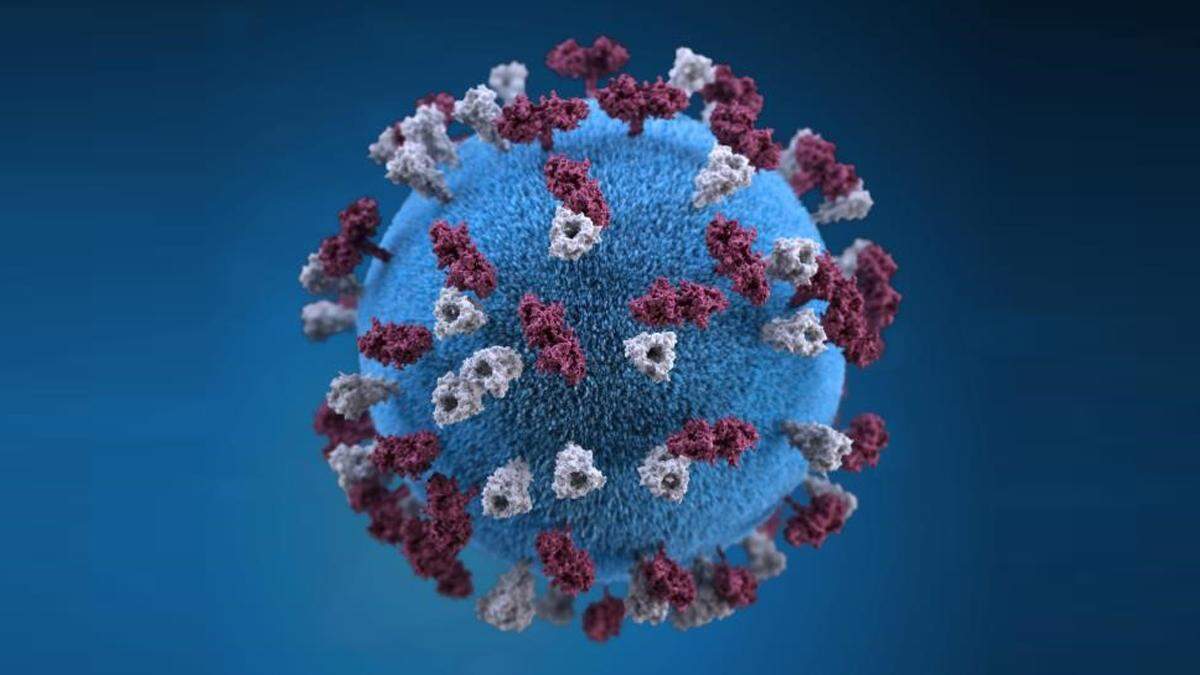
What is measles?
Measles is a “highly contagious virus” that spreads through the air when an infected person coughs or sneezes, according to the Centers for Disease Control and Prevention.
The disease can cause “serious health complications,” especially in children younger than 5 years old, the federal health agency said.
“In some people, it can progress ... to other organs being affected, primarily the lungs, the brain,” Chin-Hong said. “It can also lead to blindness and death.”
Measles can also make you “more susceptible to infections,” he added.
Measles was declared eliminated in the United States in 2000, the CDC said, meaning that the “continuous spread of disease” was stopped for longer than 12 months.
As of Tuesday, however, the disease was on the rise across the country, with measles cases reported in a total of 24 states.
Texas and New Mexico have experienced the brunt of the outbreak, with Texas reporting 561 measles cases since late January and New Mexico reporting 63 cases.
What are common measles symptoms?
Here are some of the most common measles symptoms, according to Chin-Hong and the CDC:
- High fever
- Cough
- Runny nose
- Red, watery eyes
- Rash
“Common complications are ear infections and diarrhea,” the CDC said, while more serious complications include pneumonia and encephalitis.
Who is most at risk of measles?
“Anyone who is not vaccinated against measles is at risk” of getting sick, according to the California Department of Public Health.
Children under age 15 and adults over age 30 are most likely to fall ill from measles, Chin-Hong said.
Kids under 5 years old are at a higher risk of getting measles, according to Chin-Hong.
“Most of the deaths occur in children,” he said.
Of the 712 measles cases reported in the United States, 32% involved children under 5 and 38% involved kids ages 5 to 19, according to the CDC.
About 28% of the remaining cases involved people age 20 or older, the CDC said, while the ages of 2% of measles patients were “unknown.”
How bad is measles in California?
As of Monday, April 14, a total of nine confirmed measles cases had been reported in California in 2025, according to the California Department of Public Health, including six in March.
Cases have been reported in the following California counties:
- Fresno County
- Los Angeles County
- Orange County
- Placer County
- Riverside County
- San Mateo County
- Tuolumne County
California imposed strict vaccination rules for measles following a 2014 outbreak linked to Disneyland that sickened more at least 131 California residents, according to the state Public Health Department.
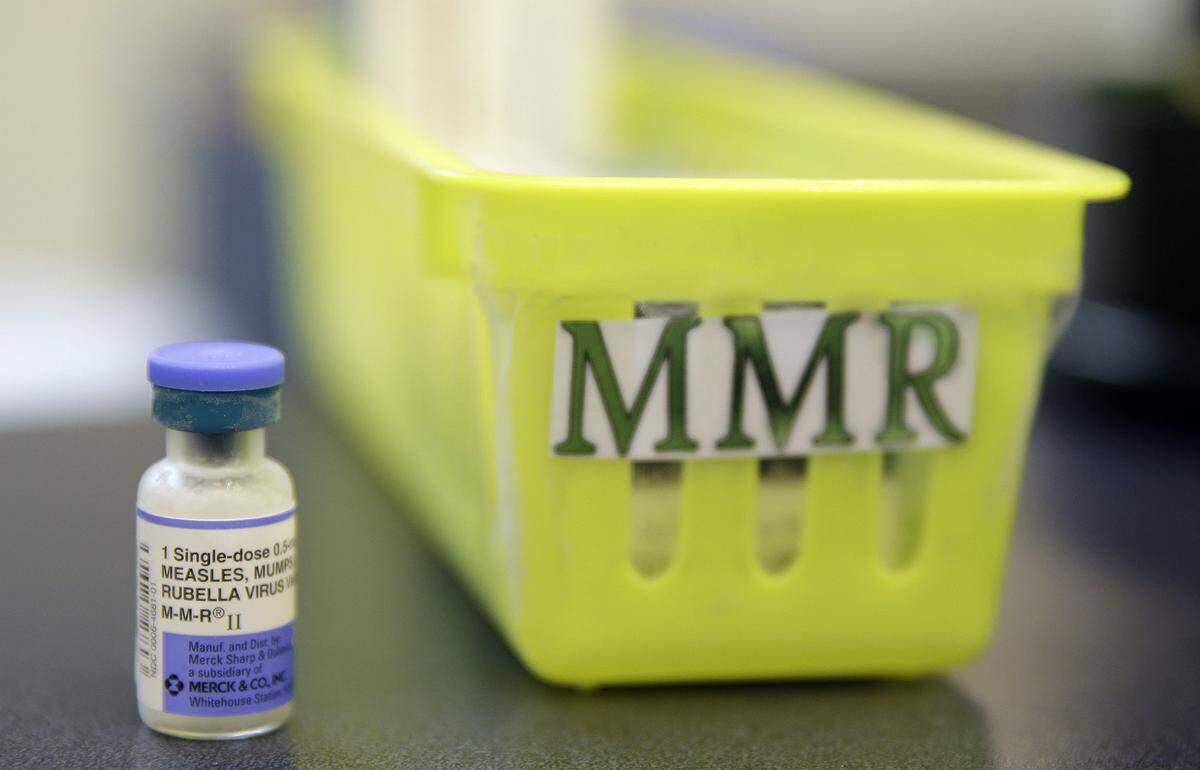
Who should vaccinated against measles?
Everyone should get vaccinated against measles, Chin-Hong said.
“It’s not like the flu or other respiratory diseases, where you can just wear a mask” and take other precautionary measures, he said. “It’’s very, very hard to prevent without getting the vaccine.”
“The best way to protect against measles is with the measles, mumps and rubella vaccine,” the CDC said, calling the MMR vaccine “safe and effective.”
Children can get the measles, mumps, rubella, and varicella vaccine instead, which also protects against chickenpox, according to the California Department of Public Health.
How effective is the MMR vaccine?
According to the CDC, two doses of MMR vaccine are about 97% effective at preventing measles, while one dose is about 93% effective.
“It’s an amazing vaccine,” Chin-Hong said.
Children can get vaccinated against measles as early as 6 months old.
The CDC recommends that kids get one dose between ages 12 to 15 months of age, and the second dose at 4 to 6 years of age.
Chin-Hong said a less effective version of the measles vaccine was available between 1957 and 1967, so you should check with your health care provider to see if you need a booster shot.
“If you only got one shot, you might think about getting two shots,” Chin-Hong said.
Although measles vaccination rates among California schoolchildren have decreased in recent years — from 98% of California kindergarten students before the COVID-19 pandemic, to 95.1%, Chin-Hong said — a new Quinnipiac University poll indicates strong support for requiring vaccines in schools.
About 57% of respondents said that children who haven’t received standard vaccinations should be prohibited from going to schools and childcare facilities, according to the poll, which surveyed 1,198 registered voters in early March.
How is measles different from the flu or COVID-19?
Unlike COVID-19, influenza and respiratory syncytial virus, the virus that causes measles is not seasonal, according to Chin-Hong.
Measles can be spread during peak travel seasons such as spring break, according to the California Department of Public Health.
“Measles is still common in many parts of the world,” the state health agency said, noting the disease is brought into the United States every year by “unvaccinated travelers who get measles while they are in other countries.”
This story was originally published March 18, 2025 at 5:00 AM with the headline "Am I at risk of measles? What to know in California as outbreaks spread across US."
%20Cropped.jpg)