It’s the first day of fall. Here’s how much daylight CA will lose this season
Trees are starting to lose their leaves and pumpkin spice lattes are back on drink menus.
Summer is over in Cailfornia — and a new season is here.
Fall officially starts in September, which means less sunlight and colder days are on their way to the Golden State.
The autumn equinox marks the formal start of the season in the Northern Hemisphere and the return of chilly temperatures to California.
Here’s what to know about the change of seasons:
When is the first day of fall in 2025?
The 2025 autumn equinox lands on Monday, Sept. 22, at 11:19 a.m., according to online calendar Time and Date.
The first day of fall usually occurs on Sept. 22 or Sept. 23, according to Brittanica.
What is the autumnal equinox?
The fall equinox signals the start of a new season in the Northern Hemisphere, according to the Old Farmer’s Almanac.
During the autumn equinox, the Northern Hemisphere and Southern Hemisphere receive about the same amount of sunlight since neither hemisphere is tilted more toward or away from the sun, the almanac said.
The Latin word “equinox” translates to “equal night” in English.
“On the equinox, day and night are roughly equal in length,” the almanac said.
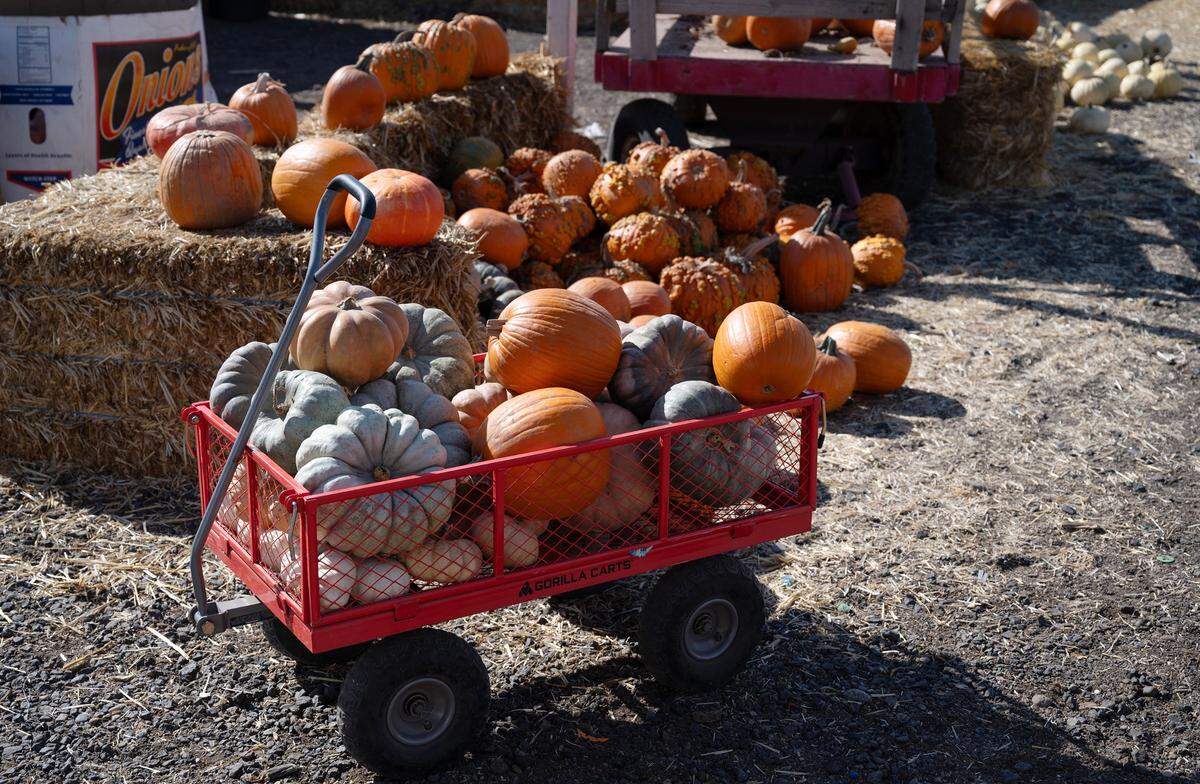
How much sunlight will California lose?
The beginning of fall means Californians will experience less daylight in the mornings and evenings.
Now that autumn has started, the Northern Hemisphere will see less sun than the Southern Hemisphere.
Following the autumn equinox, California loses roughly 2 minutes and 30 seconds of sunlight, according to Time and Date, an online global clock.
California will experience shorter days and longer nights up until the winter solstice on Sunday, Dec. 21, the shortest day of the year.
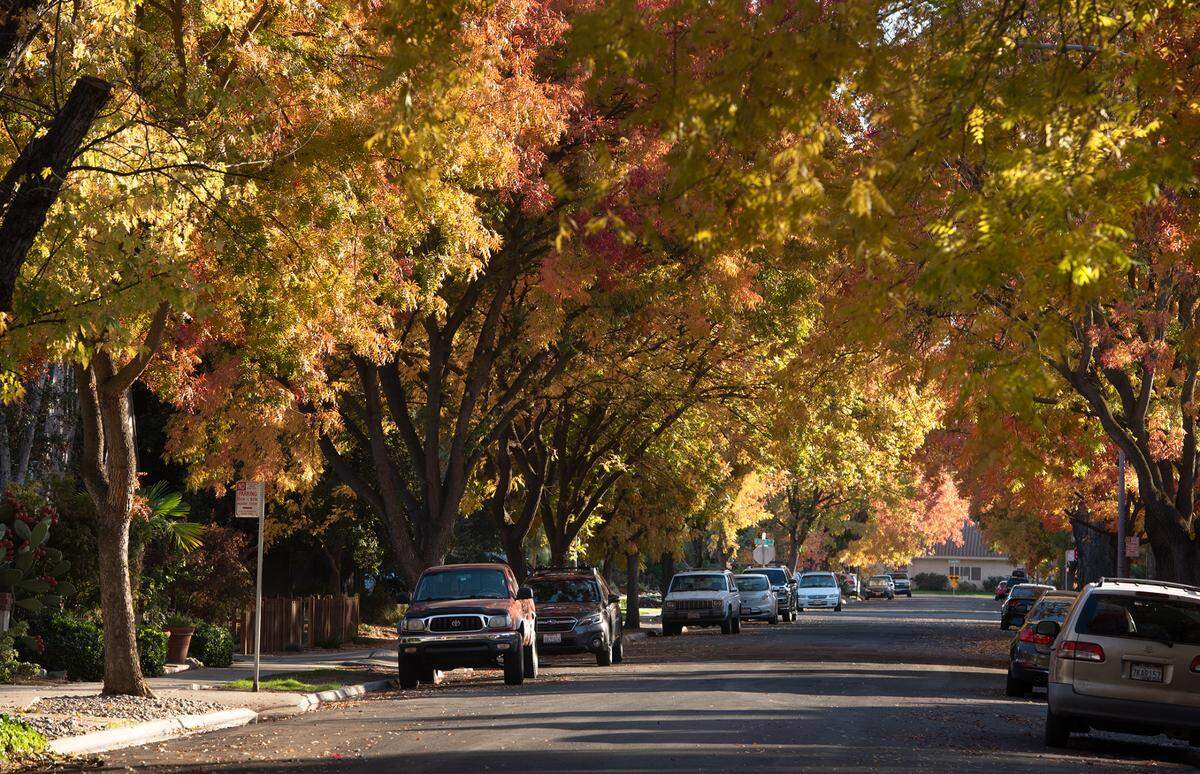
What are sunrise, sunset times in California?
As California enters fall, sunrise times become later and sunset times become gradually earlier each day.
On Monday, sunrise in Sacramento was at 6:54 a.m. and sunset will be at 7:02 p.m., according to online clock website Time and Date.
Here are the bi-weekly sunrise and sunset times through December:
- Oct. 6: 7:06 a.m. sunrise, 6:40 p.m. sunset
- Oct. 20: 7:20 a.m. sunrise, 6:20 p.m. sunset
- Nov. 3: 6:35 a.m. sunrise, 5:03 p.m. sunset
- Nov. 17: 6:50 a.m. sunrise, 4:51 p.m. sunset
- Dec. 1: 7:05 a.m. sunrise, 4:45 p.m. sunset
- Dec. 15: 7:16 a.m. sunrise, 4:45 p.m. sunset
- Dec. 29: 7:23 a.m. sunrise, 4:53 p.m. sunset
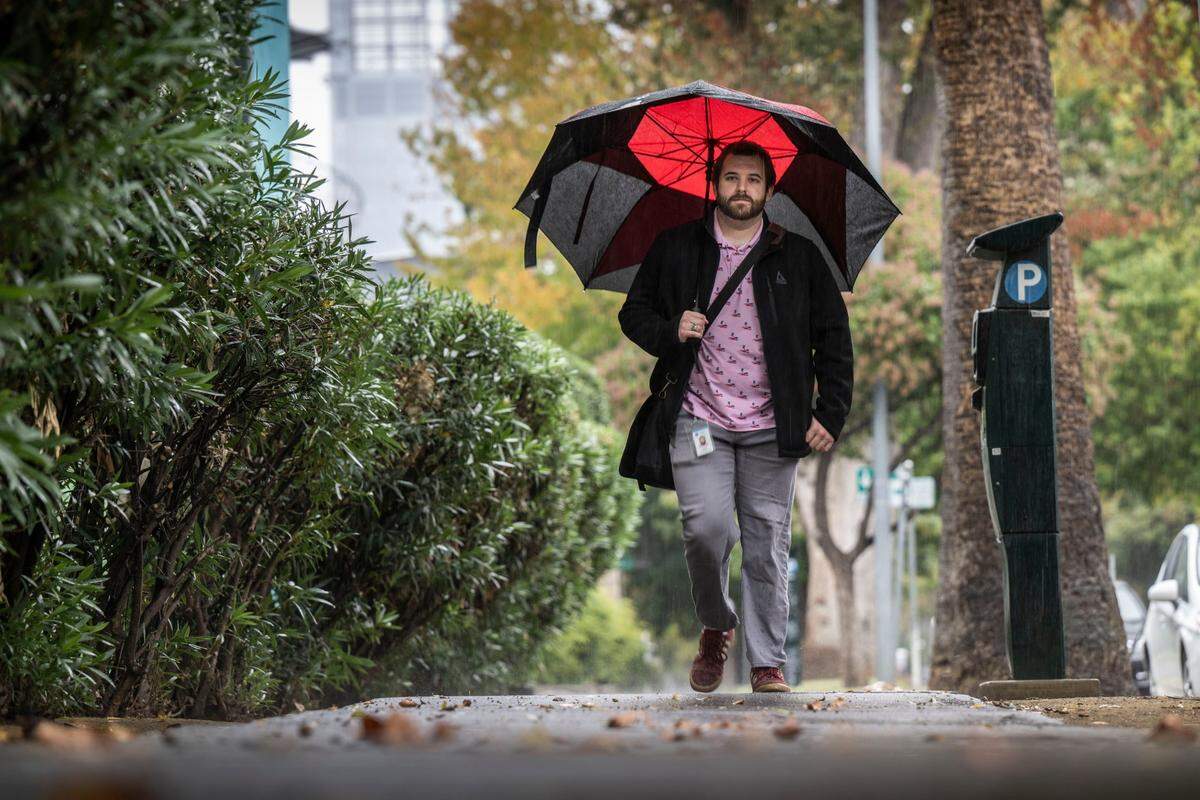
What’s the fall weather forecast for California?
According to weather experts, the Golden State could experience warmer-than-usual temperatures this fall.
The Old Farmer’s Almanac predicted a warm, dry season across much of the United States in its long-range forecast for fall 2025.
The Almanac warned Californians to expect “steamy” trips to the pumpkin patch this autumn.
The National Weather Service’s Climate Prediction Center also predicted warmer-than-usual weather across most of California in October, November and December.
The chance of above-normal temperatures ranges from 33% to 50%, according to the Climate Prediction Center’s latest three-month outlook.
The weather service’s three-month precipitation outlook for October through December shows “equal chances” of the season being wetter, drier or around average.
This story was originally published September 18, 2025 at 5:00 AM with the headline "It’s the first day of fall. Here’s how much daylight CA will lose this season."