Do I have COVID, flu or RSV in California? Experts tell how to identify symptoms
AI-generated summary reviewed by our newsroom.
- Respiratory viruses are more active from October through March.
- Use over-the-counter COVID tests and clinical tests to distinguish respiratory viruses.
- Health officials advise vaccines, testing and staying home when sick.
Have you been feeling under the weather?
While respiratory viruses including the flu, COVID-19 and and respiratory syncytial virus spread all year, they’re typically more active from October through March, according to the California Department of Public Health.
“Many respiratory viruses, including influenza, (respiratory syncytial virus) and COVID-19, can cause cold-like symptoms,” the state Public Health Department previously told The Sacramento Bee.
With several illnesses spreading across California this fall, here’s how can you tell which one you have:
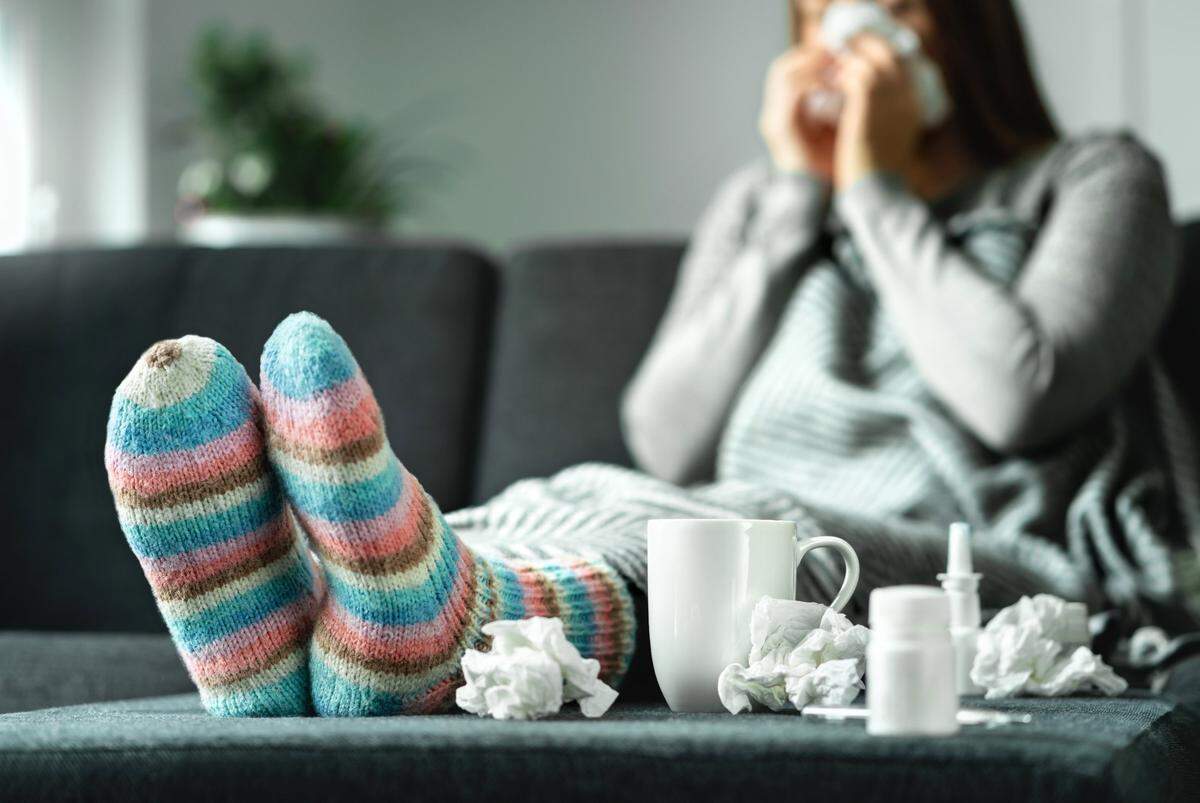
Do I have the flu? See common symptoms
According to the California Department of Public Health’s most recent weekly report, the percentage of influenza detection in California was “very low,” as of Friday, Oct. 3.
The most recent data shows that flu numbers were only up by 1.1% compared to the previous week.
According to the federal Centers for Disease Control and Prevention, flu symptoms include:
- Fever or chills
- Cough
- Sore throat
- Runny or stuffy nose
- Muscle, head or body aches
- Tiredness
- Vomiting and diarrhea, which are more common in children
“You may be able to spread flu to someone else before you know you are sick, as well as when you are sick with symptoms,” the CDC said.
While it can be “difficult to distinguish flu from other viral or bacterial respiratory illnesses based on symptoms alone,” the CDC said, there are tests available to help diagnose.
According to CDC guidelines, these tests require a health care provider to swab the inside of your nose or back of your throat, and then send the swab for testing.
Examples of tests include reverse transcription polymerase chain reaction, viral culture and immunofluorescence assays.
What is RSV? How can I tell if I have it?
According to the CDC, RSV infections are most common in the late fall, winter and early spring.
The latest data from the California Department of Public Health show RSV detections trending upward in California, as of Friday, Oct. 3.
The state department reported 0.4% test positivity, with more than 1,000 positive RSV tests reported.
According to the CDC, symptoms of RSV can include:
- Fever
- Cough
- Runny nose
- Wheezing in very young babies
- Difficulty breathing
Though tests aren’t usually necessary to diagnose RSV, they can help diagnose complications or rule out other respiratory viruses that can cause similar symptoms, according to the Mayo Clinic.
These tests can include chest X-rays, swabbing the inside of the mouth or nose, pulse oximetry to detect levels of oxygen and blood tests.
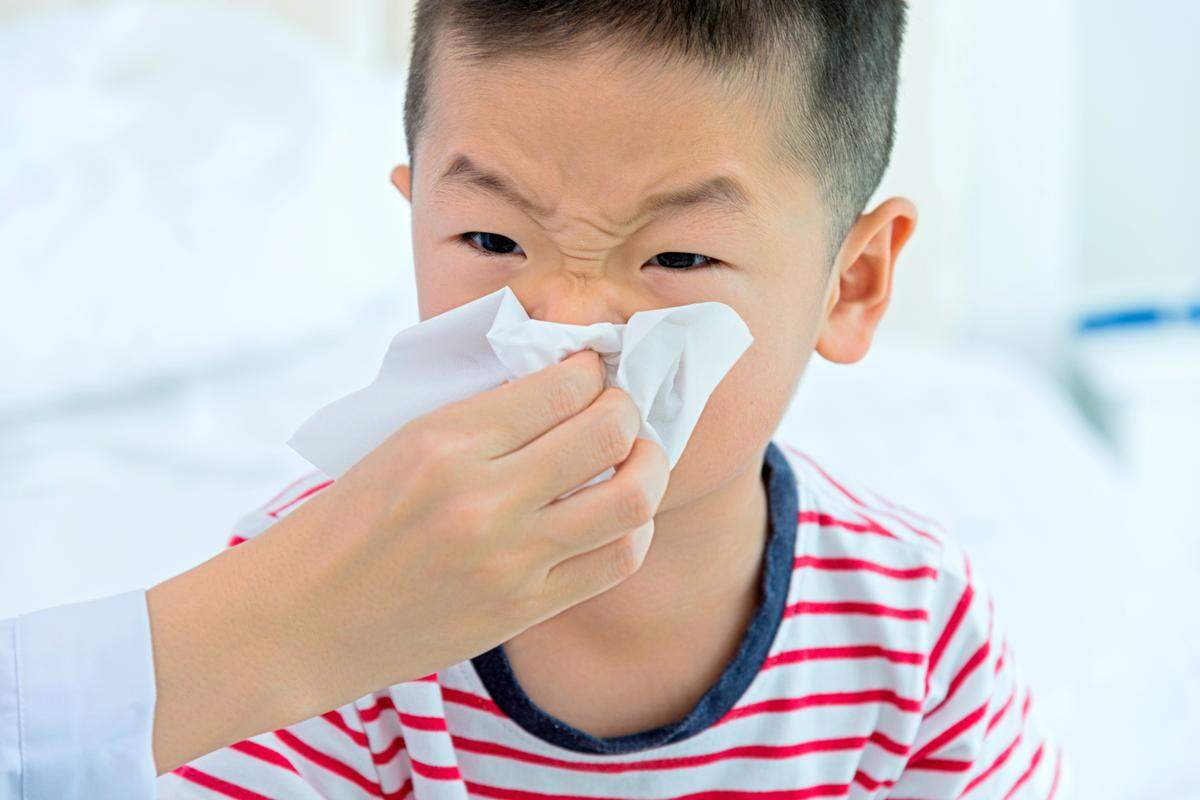
How to identify COVID-19 symptoms
Though COVID-19 cases surged across California over the summer, test positivity levels for COVID-19 were low as of Friday, Oct. 3.
About 6.7% of tests were coming back as positive for COVID-19, according to the California Public Health Department.
In the past week, about 15,000 people were hospitalized in California with the novel coronavirus, state health officials said.
So far in the 2025-2026 season, California has seen 475 deaths related to COVID-19, the state Public Health Department said.
According to the CDC, possible symptoms of COVID-19 include:
- Fever or chills
- Cough
- Shortness of breath or difficulty breathing
- Tiredness
- Muscle, head or body aches
- New loss of taste or smell
- Sore throat
- Congestion or runny nose
- Nausea or vomiting
- Diarrhea
“Symptoms may appear two to 14 days after exposure to the virus,” the CDC said on its website. According to the CDC, there are emergency warning signs to look for:
- Trouble breathing
- Constant pain or pressure in the chest
- New confusion
- Unable to stay awake
- Skin tone appears pale, gray or blue
“If someone is showing any of these signs, call 911 or call ahead to your local emergency facility,” the CDC said. “Notify the operator that you are seeking care for someone who has or may have COVID-19.”
Do at-home tests work?
Flu and COVID-19 share many of the same symptoms, but the CDC said you can use over-the-counter COVID-19 home tests to help figure out which illness you have.
“You cannot tell the difference between flu and COVID-19 by symptoms alone because some of the symptoms are the same,” the CDC said.

Who is eligible to receive new COVID vaccine?
In September, the U.S. Food and Drug Administration approved updated vaccines under new guidelines.
Under the FDA’s guidance, the new COVID vaccines were no longer available to everyone 6 months and older, according to a Pfizer news release.
Instead, people ages 5 to 64 with health conditions that increase their risk of severe illness remain eligible to receive the vaccine.
However, the CDC recently updated its immunization schedules for adults and children, according to a news release on Monday, Oct. 6.
The federal health agency said decisions about whether to vaccinate against COVID-19 can be made on an individual basis depending on each person’s health and risk factors.
The CDC also recommended that toddlers receive the varicella, or, chickenpox, vaccine separately — rather than combined with the measles, mumps and rubella shot, also known as MMR.
Research found that the combined vaccine slightly increased the risk of fever-related seizures in some children, according to the news release.
“Individual-based decision-making is referred to on the CDC’s immunization schedules as vaccination based on shared clinical decision-making, which references providers including physicians, nurses, and pharmacists,” the CDC said in its release.
Instead of using broad factors such as age, this method considers each person’s specific risks, medical conditions and how well the vaccine is expected to work for them.

Can I get my flu shot at the same time as COVID vaccine?
As California settles into cold season, there are new vaccines to combat viral infections, including influenza and respiratory syncytial virus , according to doctors.
Health officials said it is safe to get your RSV, flu and COVID vaccines at the same time.
How can I keep from getting sick?
According to the California Department of Public Health, here are some tips to lower your chances of getting sick this fall:
- Stay up to date on vaccines
- Stay home when sick
- Test and treat your symptoms
- Consider wearing a face mask
- Wash your hands or sanitize
- Shield your cough and sneeze
This story was originally published October 9, 2025 at 5:00 AM with the headline "Do I have COVID, flu or RSV in California? Experts tell how to identify symptoms."