ICE has arrested 20 people in Stanislaus County this year. Most were deported
AI-generated summary reviewed by our newsroom.
- ICE arrested 20 in Stanislaus Jan–Oct 2025; most led to removals/returns.
- Local data show many arrestees had prior charges; nationwide many lacked convictions.
- El Concilio launched a bilingual Immigration Hub to provide legal and social support.
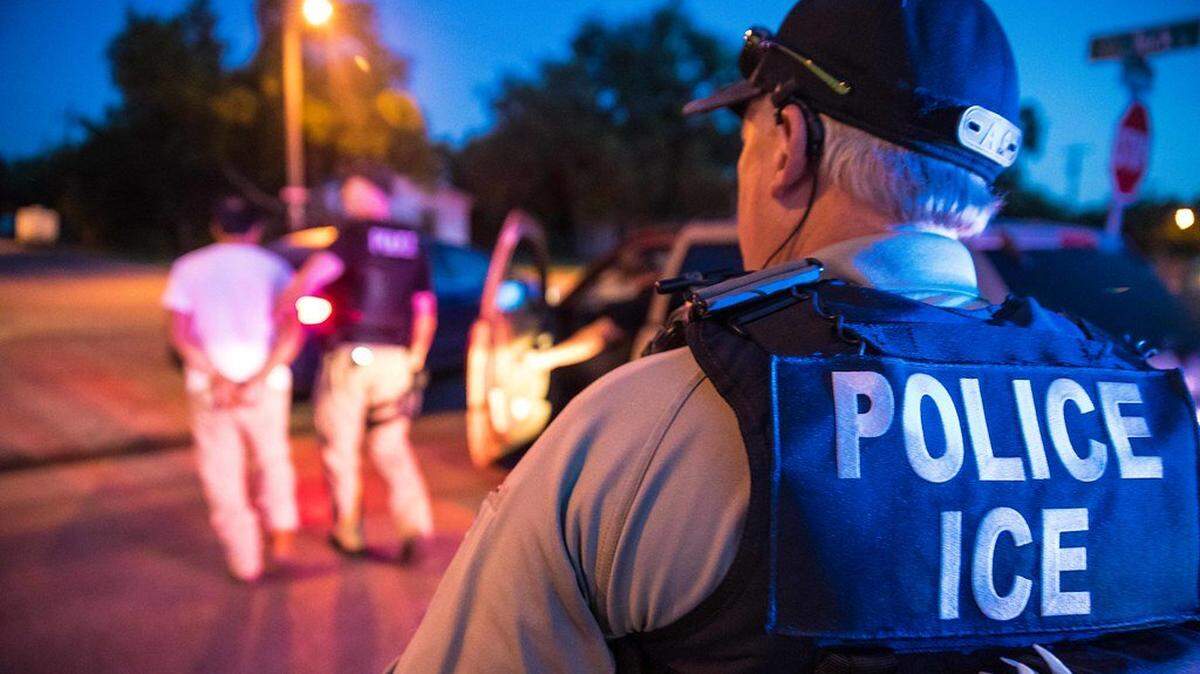
Between January and October of this year, Immigration and Customs Enforcement has arrested 20 people in Stanislaus County — the first arrests since at least 2023.
As of Oct. 15, six cases remain active. The rest have led to deportations, removals or “voluntary returns.” Some were deported just a day or two after being taken into custody.
The data was obtained through a Freedom of Information Act request by the Deportation Data Project — a UC Berkeley Law School initiative — and provides a look at ICE’s operations, including where and when arrests occurred.
This data likely undercounts the total number of ICE apprehensions. It also does not include arrests by other federal agencies, such as U.S. Customs and Border Protection.
An ICE spokesperson told The Fresno Bee in October that the agency could not verify or comment on the compiled data.
“U.S. Immigration and Customs Enforcement is executing its mission of identifying and removing criminal aliens and others who have violated our nation’s immigration laws,” an ICE spokesperson told The Fresno Bee. “All aliens in violation of U.S. immigration law may be subject to arrest, detention and, if found removable by final order, removal from the United States, regardless of nationality.”
Who’s being arrested by ICE in Stanislaus, and where?
All arrests occurred at the Stanislaus County jail or the Sheriff’s Office.
Of those arrested, 14 are from Mexico, two are from Romania, two from Honduras and one each from Cuba and India. All are men, ranging in age from 20 to 51.
One person apprehended had no criminal charges or convictions. The rest had either criminal convictions or pending criminal charges, though the specific charges are not detailed in the data.
Nationwide, however, the data shows that many arrested by ICE officers in the first nine months of 2025 have no criminal record. In addition, 74% of those in detention centers have no criminal convictions, according to the Transactional Records Access Clearinghouse, a Syracuse University research project.
Mark Apostolon, vice president of strategic innovation at El Concilio California, which provides resources to immigrants through its Immigration Hub, said the label “convicted criminal” is broad and can include anything from old, low-level or nonviolent offenses to serious felonies.
“It often omits critical context such as how long ago a conviction occurred, whether a sentence was completed, or whether the person has since built a stable family and work life here,” said Apostolon. “Without that information, the term can be misleading and can fuel stigma rather than clarity.”
In Northern California, 37% of ICE arrests this year were of people without any charges or convictions. That number grew in the latter half of the year and reached 48% in September.
Apostolon said that even a few arrests can ripple through communities by pushing families into crisis, discouraging people from going to court and medical appointments or participating civically and fueling misinformation and scams.
After ICE activity at the Stanislaus County Courthouse on July 1, he said many community members told El Concilio they were afraid to attend hearings or seek victim protections, even when required or when their safety depended on it.
He also noted a decline in participation at places of worship.
“Behind every arrest number is a family, a workplace and often U.S.-citizen children whose lives are thrown into chaos overnight,” said José R. Rodriguez, chief executive officer and president of El Concilio. “When ICE data rely on vague labels like ‘convicted criminal’ without context, it fuels fear and stigma rather than informed public understanding — and it undermines the trust our community needs to stay safe and healthy.”
Resources for immigrant communities
Since its launch in July, El Concilio California’s Immigration Hub has grown into a centralized, bilingual, community-run resource for residents of Stanislaus County and surrounding areas. It aims to reduce confusion and fear by giving families a trusted place to access know-your-rights information, referrals to reputable legal support and other services.
El Concilio emphasizes that everyone has rights, regardless of immigration status, and that this is a community issue — not just an immigrant one.
Residents can access the Hub online at eccimmigrationhub.ai or visit the Modesto Family Center/Immigration Hub at 1314 H St. in Modesto, or call 209-523-2860 for appointments and guidance.
This story was originally published December 10, 2025 at 4:00 PM with the headline "ICE has arrested 20 people in Stanislaus County this year. Most were deported."