Why is it so foggy in Northern California? Here’s how long conditions could last
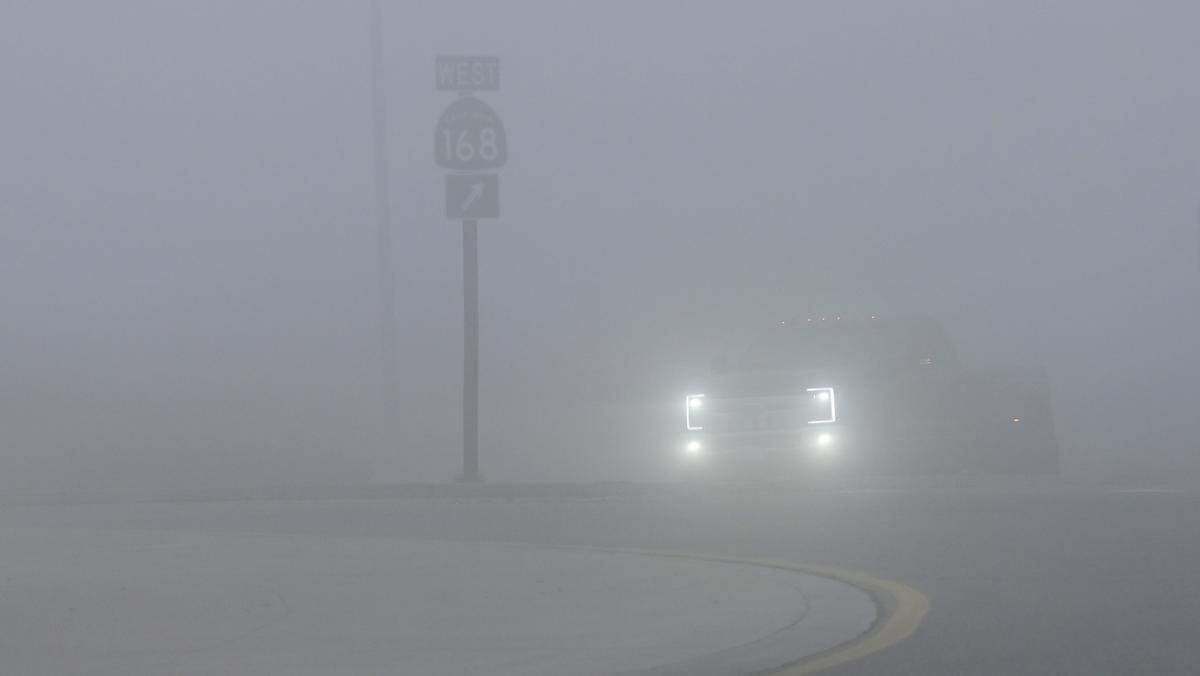
Several parts of California — including the Central Valley and northern regions — haven’t seen the sun for more than two weeks.
According to NASA, an unusual “atmospheric phenomenon” was clearly visible in satellite imagery across much of the Golden State.
“Fog stretching some 400 miles (640 kilometers) across the state’s Central Valley appeared day after day for more than two weeks in late November and early December,” NASA said in a report.
As much of the Pacific Northwest braces for rain, snow and potential flooding, central California will remain an exception, according to the National Weather Service.
“The exception continues to be in the Central California Valley where low clouds and fog are expected to remain stuck, keeping temperatures much cooler than surrounding cloud free areas,” the agency said in a Thursday, Dec. 11, news release.
Why have Northern California and the Central Valley been so foggy?
Here’s what to know about the source of the fog, how long it’s expected to last and tips for staying safe on foggy roads:
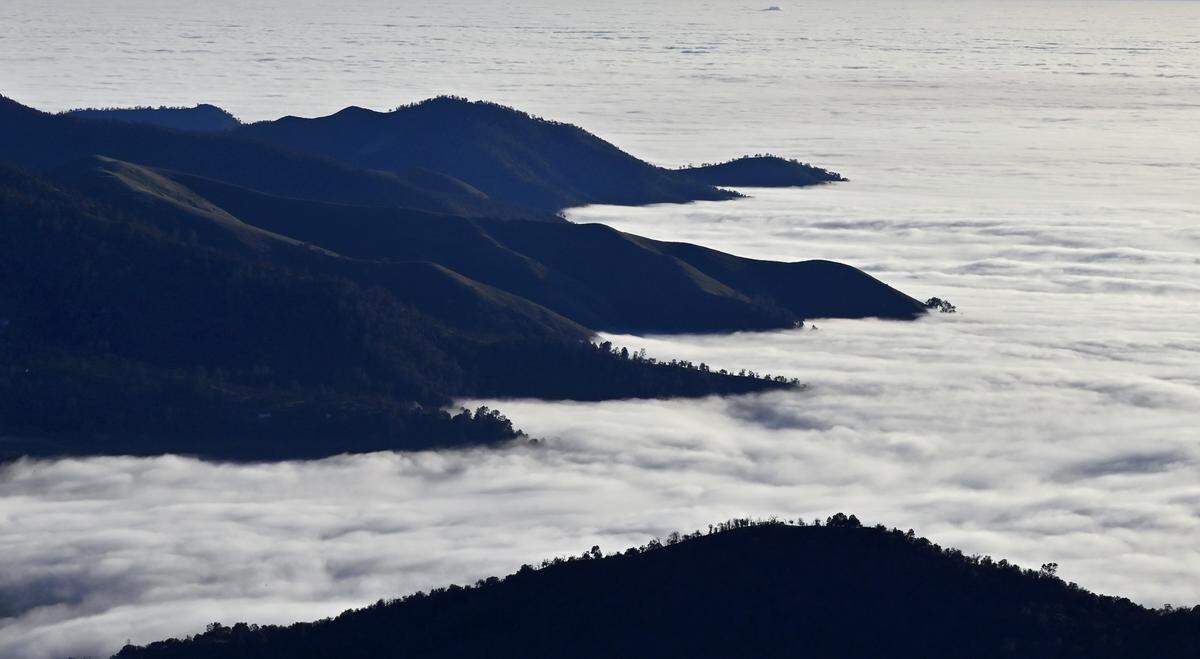
Why is it so foggy in Northern California and the Central Valley?
According to NASA, this weather phenomenon is called tule fog, named after a marsh plant that grows in the region.
These low-lying clouds typically form in the valley during the colder months when winds are light and the soil is moist.
Tule fog becomes especially dense when moist marine air, calm winds and clear skies come together.
“The Central Valley is fertile ground for the formation of tule fog, a persistent radiation fog, in late autumn and winter,” NASA said.
These weather patterns are common from November through February.
“Researchers have found, however, that tule fog has been forming less often in California in recent decades,” NASA said.
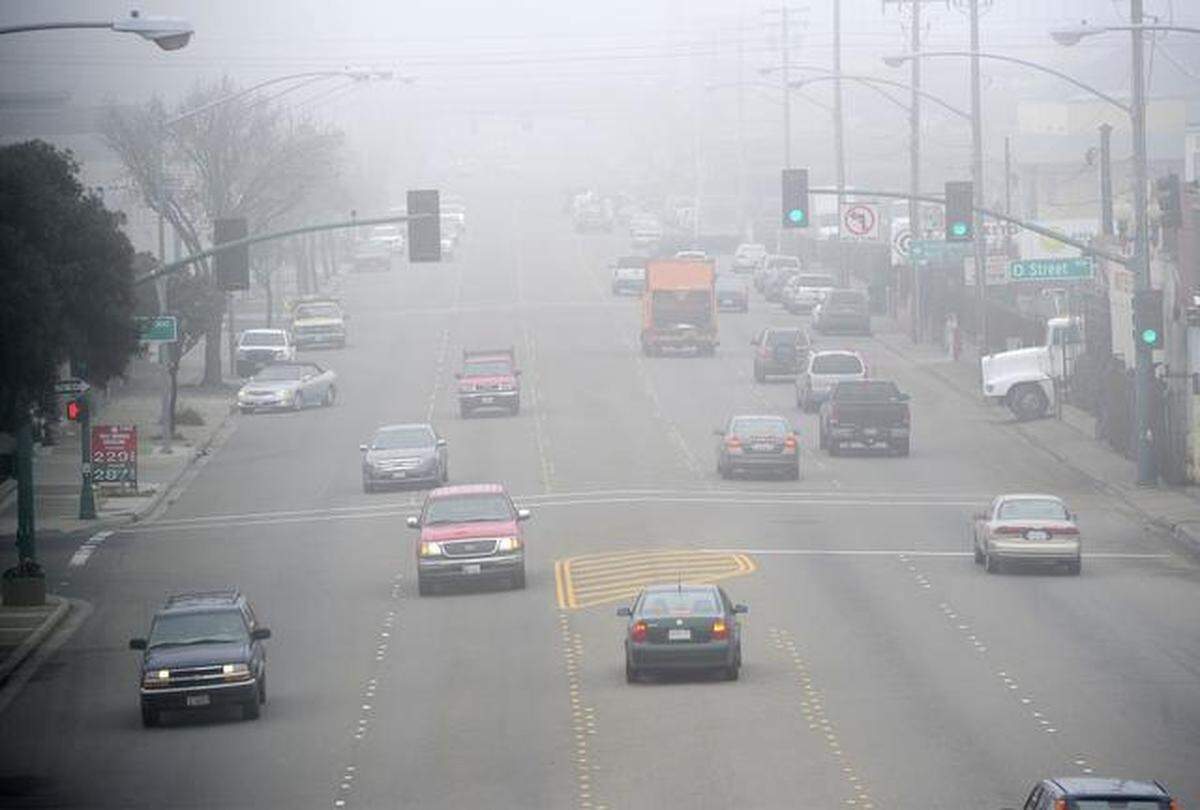
What caused the fog in Northern California?
Jan Null, a former National Weather Service forecaster in Northern California and current professor of meteorology at San Jose State University, said California’s early fall weather patterns caused a perfect storm for a particularly heavy fog year.
“The perfect recipe for radiation fog ... is for there to be low-level moisture, clear skies and light winds,” Null said. “Right after it quit raining (in late November), we had high pressure build over us and that’s when we got all three of those ingredients.”
Abundant soil moisture from a very wet autumn also contributed.
“Across nearly all of central and southern California, precipitation totals from September through November 2025 were among the top 10% on record,” NASA said.
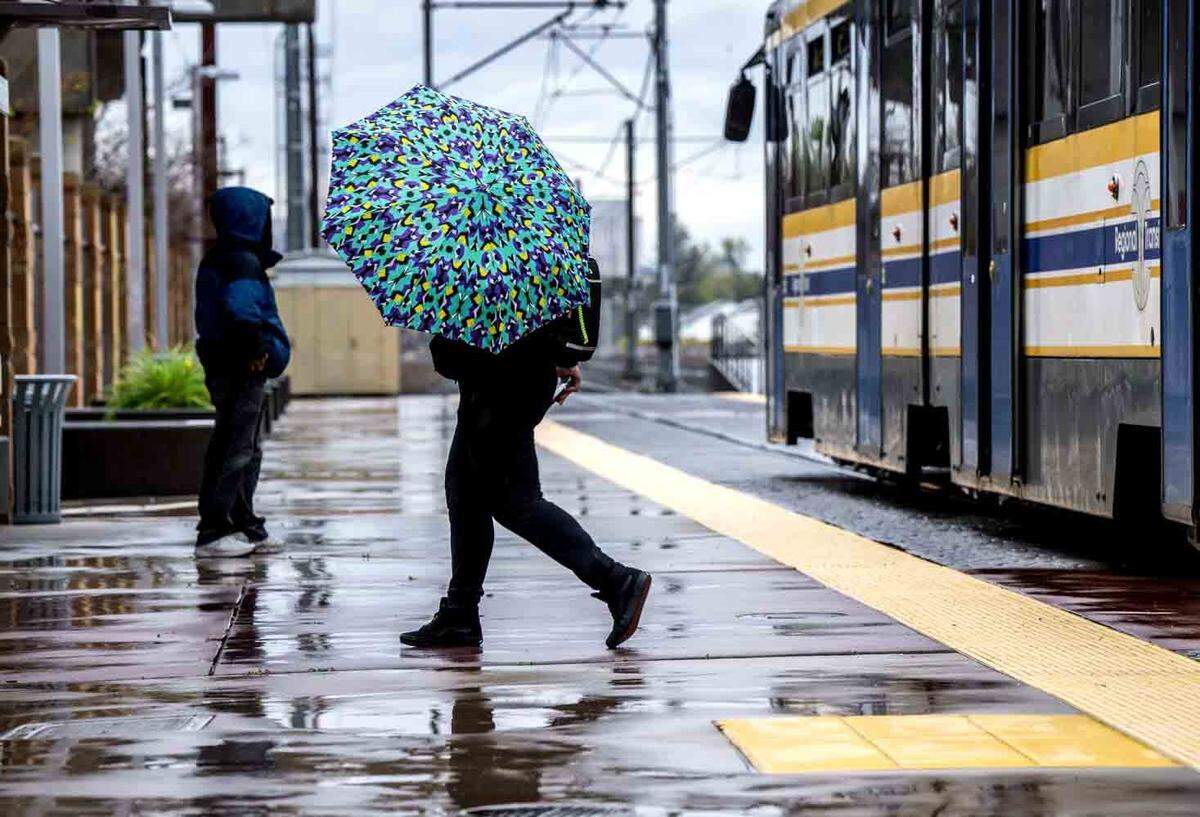
Major storms during this period not only fueled the fog but also significantly improved drought conditions across the state.
As of Friday, Dec. 12, more than 90% of the Golden State was entirely drought-free.
Once the rain ended on Nov. 21, temperatures began to sharply drop — reaching highs of 40s and 50s after the first half of the month lingered in the 60s and 70s, according to data from the National Weather Service.
As temperatures in the Sierra Nevada foothills remained in the mid-50s and low 60s at the close of November, the resulting weather inversion locked in the moisture and chilly low-altitude air, resulting in the characteristic fog.
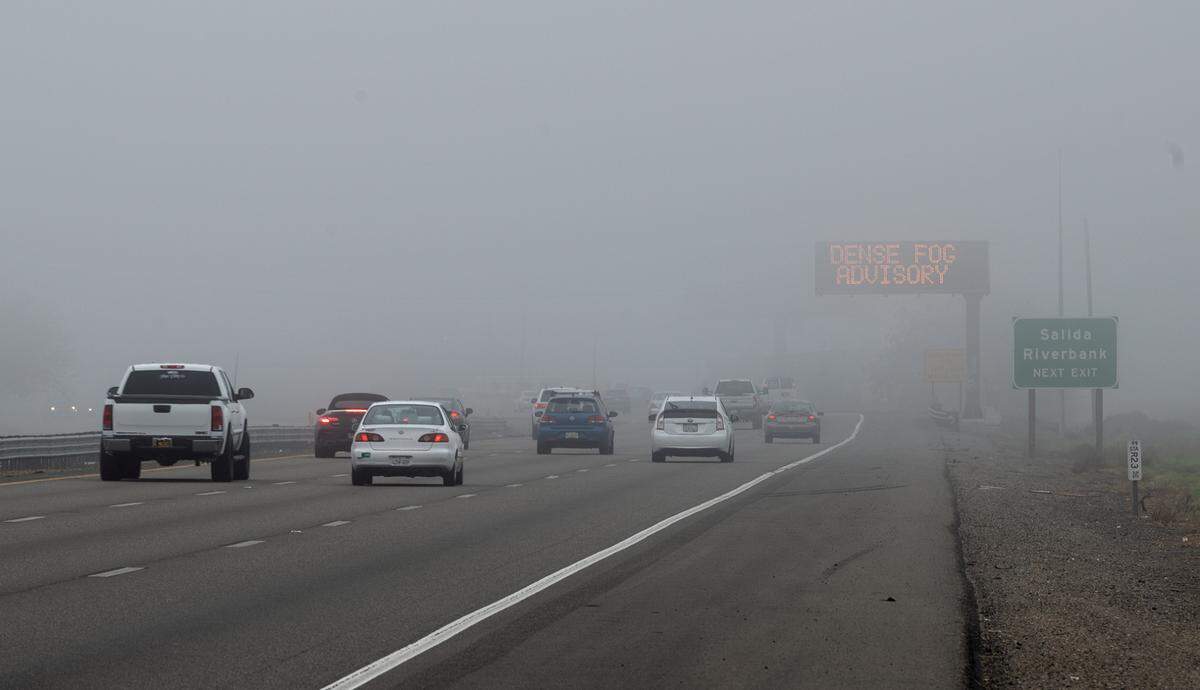
When will Northern California and Central Valley see clear skies again?
According to Null, a weather system with significant temperature mixing to cool down higher elevations and warm up lower elevations is necessary to “break the inversion.”
Dakari Anderson, a meteorologist with the National Weather Service, said there could be a weather system arriving around Wednesday, Dec. 17, but it is unclear whether it will bring enough precipitation to clear the fog.
Anderson said temperatures around the Sacramento area will remain in the upper 40s and low 50s while the fog layer is still in place, as the cold temperatures swirl between the freezing clouds and the ground.
Areas above the fog in the Sierra Nevada foothills and higher elevations are forecast to experience higher temperatures, with the possibility of seasonal record highs, ranging from the mid-50s to upper 60s, according to the latest forecasts.
“(The fog) could go through Christmas right now,” Null said. “We’ll have to keep on watching it.”
As of Friday, Dec. 12, forecasts for Modesto, Merced and Fresno indicated more fog over weekend, with low temperatures in the 40s.
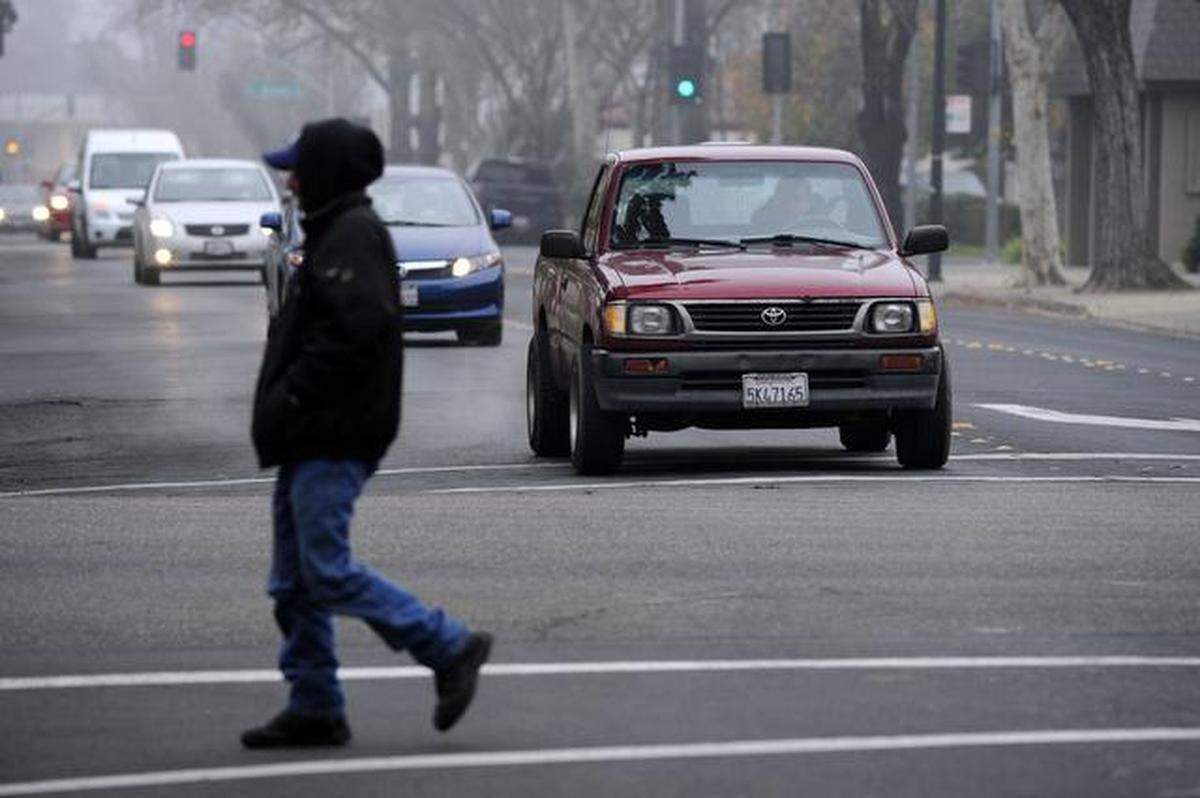
How to drive safely on foggy roads
Driving through dense fog can be hazardous, according to the National Weather Service.
If you must drive in the fog, follow these safety tips:
- Drive slow and cautiously.
- Leave your home earlier to allow for extra travel time.
- Turn on your low-beam headlights to remain visible on the road.
- Increase your following distance behind other drivers.
This story was originally published December 12, 2025 at 11:57 AM with the headline "Why is it so foggy in Northern California? Here’s how long conditions could last."