Where do rattlesnakes go in California when it’s cold? What experts say
Where do rattlesnakes go in California in the winter?
You might spot a rattlesnake sunning in itself on a rock or a hiking trail during the spring or summer. However, snakes tend to disappear from sight when the temperature drops.
What happens to rattlers when the weather gets cold?
Here’s what to know:
What happens to rattlesnakes when it goes cold?
Rattlesnakes are most active from April to October, according to the U.S. Forest Service.
“Rattlesnakes are sensitive to ambient temperature and adjust their behavior accordingly,” the California Department of Fish and Wildlife said on its website.
During the spring and summer, the snakes are “most active at dawn, dusk and night to avoid overheating,” the state wildlife agency explained.
When the temperature consistently drops below 60 degrees in the fall and winter, rattlesnakes enter a dormancy period known as brumation, according to wildlife control company Critter Control.
“They don’t really actually sleep,” said Michael Starkey, founder and executive director of Save the Snakes, a nonprofit snake conservation organization based in Sacramento. “The temperature gets so low that their metabolism gets really slow.”
The venomous snakes are surviving by conserving calories, he explained.
“They’re basically just waiting it out until it gets warmer,” Starkey said.
A snake in brumation can still move, he added, although its movements might be slower and its behavior less predictable than usual.
Rattlers “typically aren’t going to be moving long distances,” Starkey said, but they might venture into a sunny spot to catch some rays. “We call this opportunistic basking.”
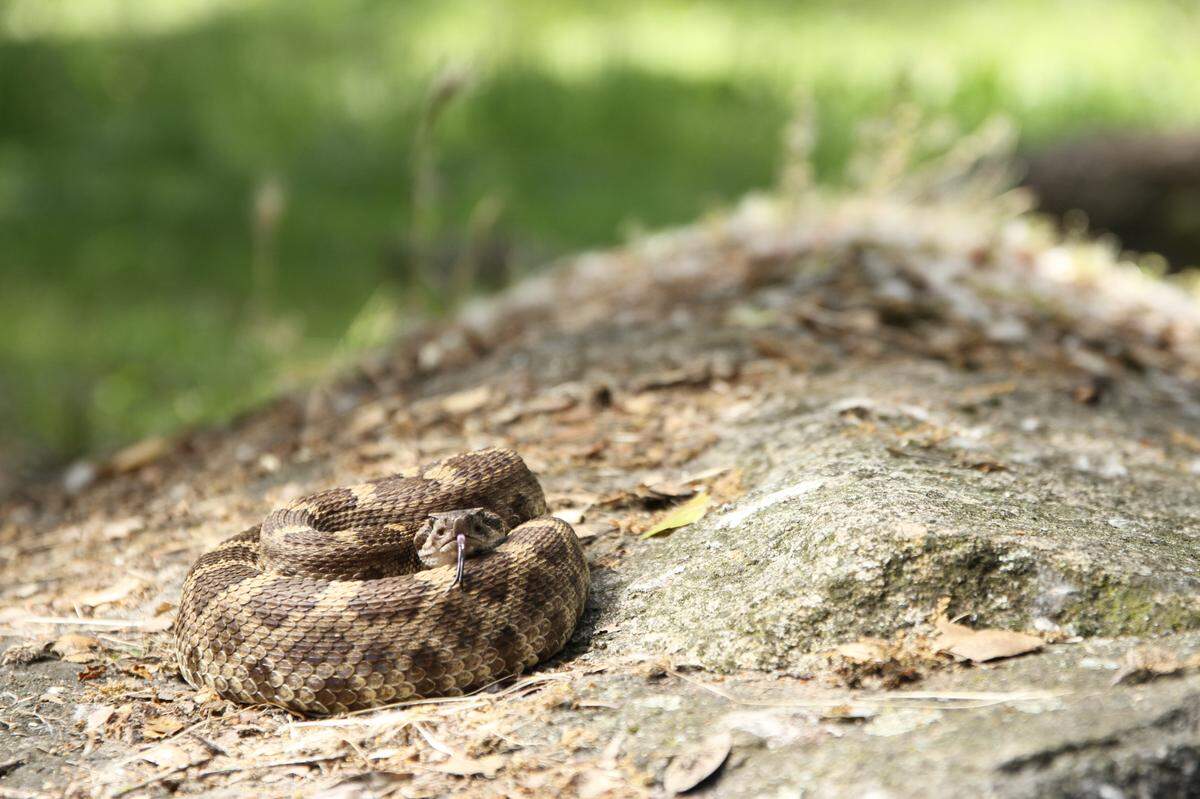
Where do snakes go when the temperature drops?
Rattlesnakes can live in rural and urban areas, including on riverbanks, in parks and at golf courses, according to the California Department of Fish and Wildlife. They may also turn up around homes and yards.
Rattlesnakes require rocky, open areas for basking and hiding with a nearby water source. They can swim and even climb trees.
In warmer weather, you may see a rattler basking in the sun to raise its body temperature.
“A good rule of thumb is that if you’re comfortable, so are they,” Cal Poly professor Emily Taylor told the university in 2024. “I always tell people that rattlesnakes are most likely to be out and about when we’re outside in a T-shirt and shorts. If it’s too hot for you to be outside ... they’re not likely to be out either.”
During the colder months, rattlesnakes are “mostly hiding underground and hibernating,” Taylor said.
In addition to woodpiles, rockpiles, brush areas, rodent burrows and fallen trees, the snakes may look for shelter under or around man-made structures — seeking out cracks in foundations under houses or crevices in boulders.
“If you’ve seen snakes before in and around your property, they could be hanging out for the winter,” Starkey said.
Can you still get bitten by a snake in winter?
“A cold snake is a completely different animal than a warm snake,” Starkey explained, so you should “give them plenty of space and let them move on their own.”
“Even a cold snake can bite,” he said. “They’re just going to be a lot slower.”
If you find a rattlesnake in brumation, you should call a pest removal professional or your local animal control agency to relocate it “somewhere appropriate (like) down a deep hole where (it) won’t be exposed to the cold,” Starkey said.
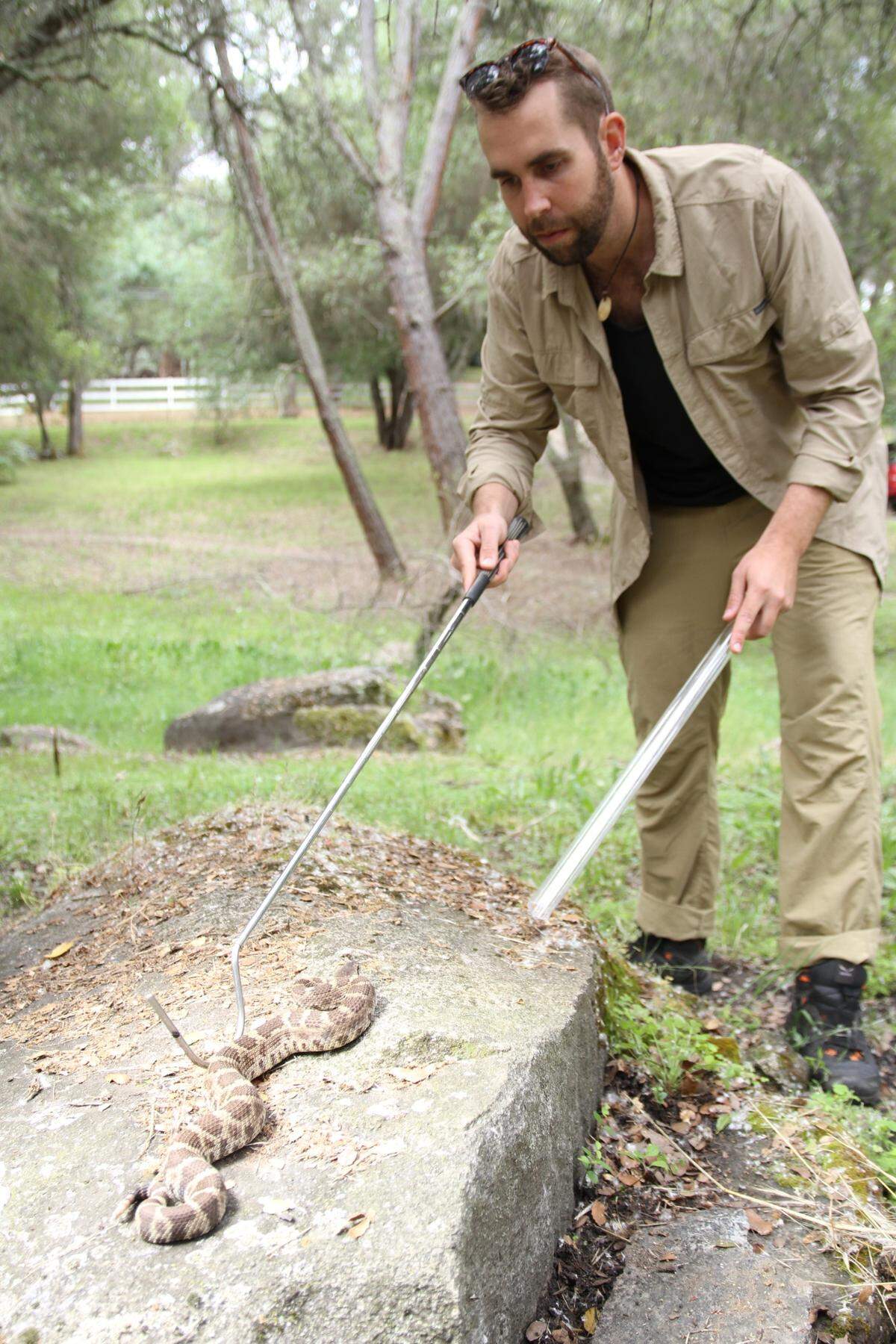
How to identify rattlesnakes
Seven different species of rattlesnake can be found across California.
The most common is the western rattlesnake, which range from sea level to elevations of 7,000 feet, according to the California Department of Fish and Wildlife.
Rattlesnakes can be recognized by the distinct sound their rattles make.
The venomous snakes can, however, lose their rattles or simply decide not to use them.
You can also identify rattlers by their gray or light brown exteriors and triangular-shaped heads. They usually range from 2 feet to 4 feet in length and can camouflage themselves to match their surroundings.
“Snakes are really secretive,” Starkey told The Bee previously. “They don’t want to encounter people.”
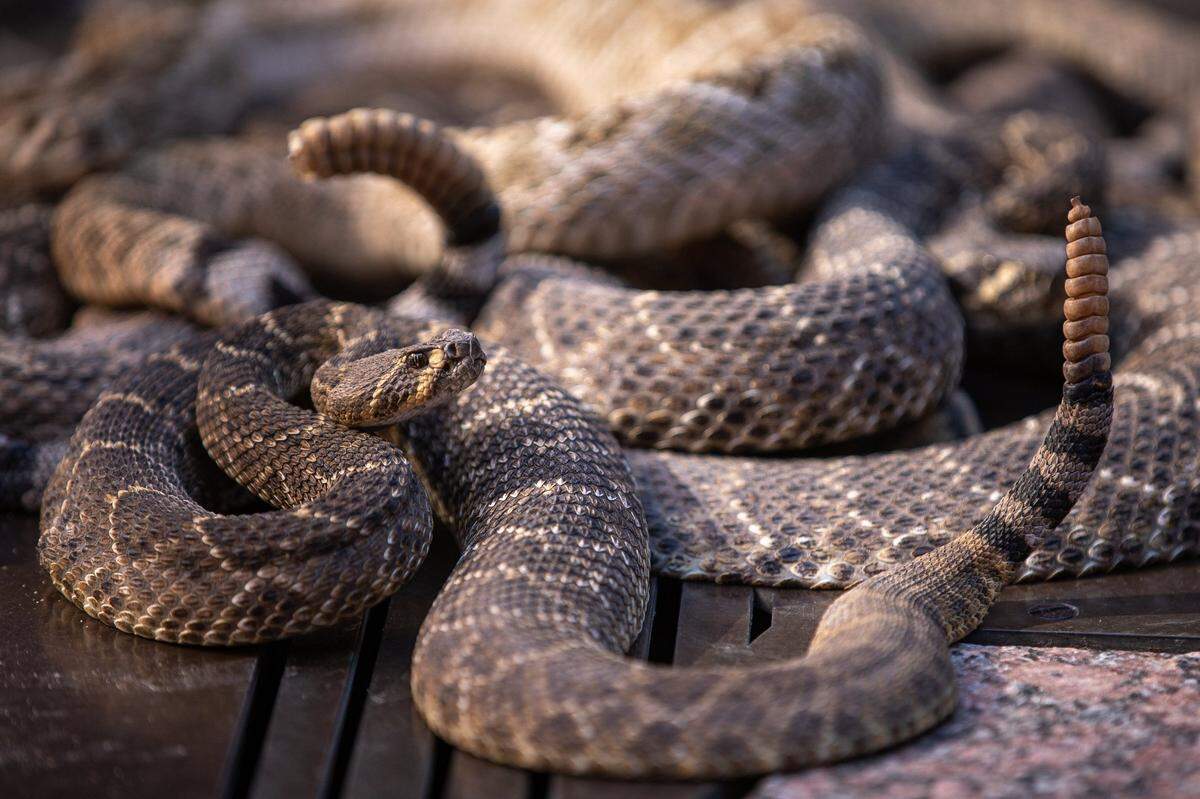
How to avoid getting bitten by a rattler
“Rattlesnakes are generally not aggressive and will avoid people,” the state Department of Fish and Wildlife said. “They usually retreat if given safe space to move and not provoked or threatened.”
In most cases, the venomous reptiles simply “crawl away as fast as possible to avoid confrontation,” according to educational website California Herps.
“Rattlesnakes will not strike without a reason,” California Herps said. “They will strike at a potential meal and they will defend themselves from anything they perceive as dangerous.”
If you encounter a rattlesnake, stay at least 10 steps away, according to Sonoma County Regional Parks.
A rattlesnake can “lunge about two-thirds its body length,” park officials said, so you should stand back “to ensure safety no matter which direction the snake moves.”
What to do if you get bit by a snake
Up to 8,000 people are bitten by venomous snakes in the United States each year, according to the federal Centers for Disease Control and Prevention.
About five of those people die, the CDC said, while others suffer “long-term injuries.”
Most bites occur between April and October when snakes and humans are most active outdoors, according to the California Department of Fish and Wildlife.
If you are bitten by a rattlesnake, experts say, you should stay calm but act quickly. Dial 911 and seek medical attention as soon as possible.
You should not try to suck out the venom, slash the wound with a knife or apply tourniquets or ice packs, the CDC said.
This story was originally published February 3, 2026 at 5:00 AM with the headline "Where do rattlesnakes go in California when it’s cold? What experts say."