
Tax laws are changing. Here’s what to know as you fill out your 2025 return
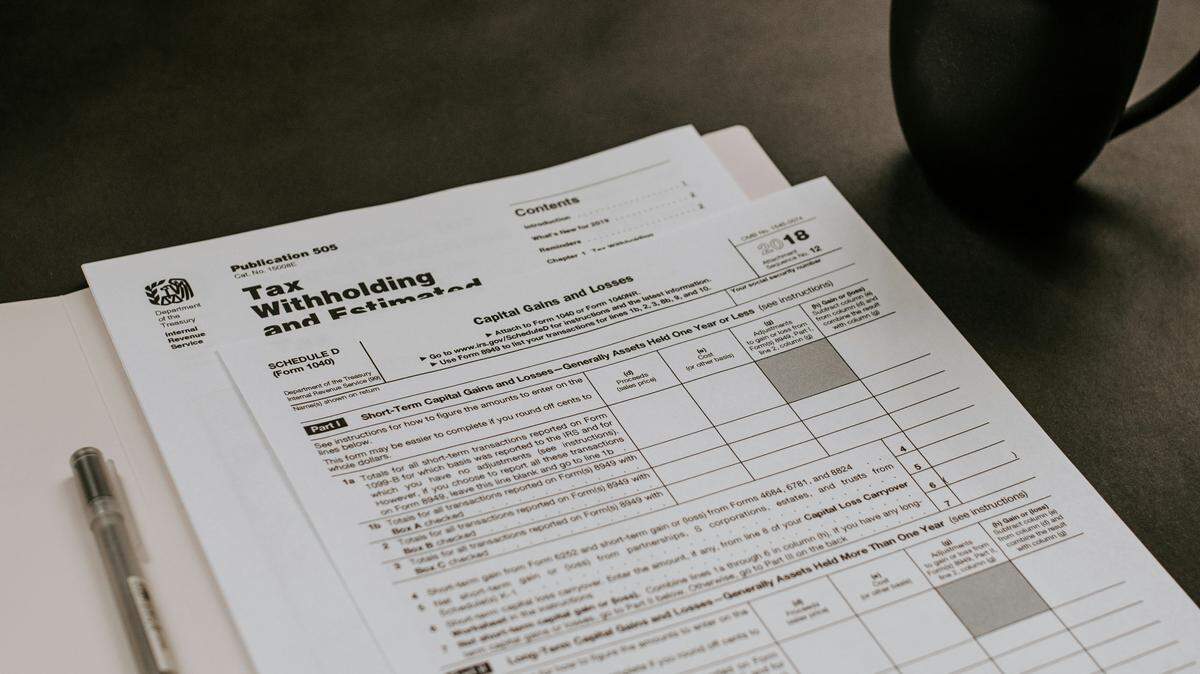
Filling out your tax 2025 tax return may go a little differently this year, tax experts said.
The One Big Beautiful Bill passed by Congress and signed into law July 4 contains some tax code changes, TurboTax said.
The bill makes permanent many of the temporary changes in the 2017 law, plus makes additional temporary or permanent changes to the tax code.
Some of the changes don’t take effect until the 2026 tax year, but some will alter your return for 2025.
Here’s how the law changes your tax return for 2025:
Permanent tax code changes
The law makes permanent larger standard deductions, elimination of personal and dependent exemptions, lower tax brackets and elimination of, or limits on, certain itemized deductions.
The 2025 standard deduction rises to $15,750 from $14,600 for single filers, $23,625 from $21,900 for head of household filers, and $31,500 from $29,200 for married filing jointly filers. The deduction will increase with inflation each year.

No tax on tips or overtime
The tax code changes allow you to deduct up to $25,000 per taxpayer for tip income and up to $12,500 per taxpayer for overtime income.
Both have phaseouts for taxpayers earning more than $150,000 a year or $300,000 a year for those married and filing jointly.
Higher credits and deductions for children and seniors
The child tax credit goes up to $2,200 from $2,000 for qualified taxpayers.
The tax code changes add a $6,000 deduction for taxpayers over 65 years old with a phaseout for taxpayers earning more than $75,000 a year or $150,000 a year for those married and filing jointly. This deduction is set to expire in 2028.
Partially refundable adoption credit
The federal adoption tax credit is now partially refundable for tax year 2025 and after, allowing eligible families to receive up to $5,000 as a refund even if they have no tax liability, the IRS said. The total maximum credit available is $17,280 per qualifying child for 2025.
Higher state and local tax itemized deductions
The deduction for state and local tax payments increases to $40,000 from $10,000, with a phaseout starting at $500,000 or $250,000 for married filing separately filers.
Deduction for interest payments on some vehicles.
The tax code changes allow a deduction of up to $10,000 for interest payments on some vehicles with a phaseout for taxpayers earning more than $100,000 a year or $200,000 a year for those married and filing jointly.
The deduction is limited to new cars, SUVs, pickup trucks, minivans, vans or motorcycles with a gross vehicle weight rating of less than 14,000 pounds that were assembled in the United States and purchased for personal use, the IRS said.
Saving accounts for children
The changes allow taxpayers to set up a savings account for an eligible child born between 2025 and 2028. The government will deposit $1,000 in the account.
End of electric vehicle tax credit
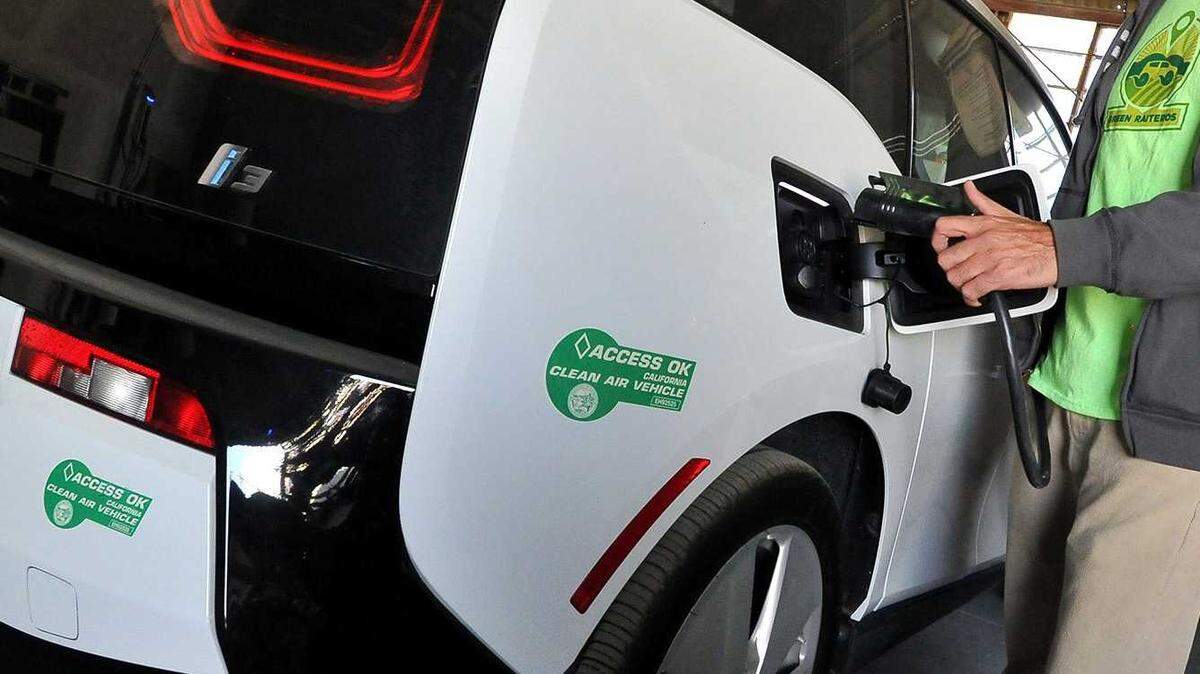
The federal credit expired as of Sept. 30, 2025. Gov. Gavin Newsom’s recently-proposed state budget includes a line item to create a new zero-emission vehicle incentive program.
Other changes
There are more changes for businesses and additional revisions for 2026 and beyond. Some of those revisions for individual filers include making a mortgage deduction permanent and repealing personal and dependent exemptions.
This story was originally published January 12, 2026 at 1:31 PM with the headline "Tax laws are changing. Here’s what to know as you fill out your 2025 return."