
Did Punxsutawney Phil see his shadow? Lore, regional traditions of Groundhog Day
When German immigrants came to the United States, they brought a tradition to forecast the end of winter with them — but there was one catch.
According to German lore, if a hedgehog saw its shadow on Candlemas Day, Feb. 2, it forecast six more weeks of winter to come, The Punxsutawney Groundhog Club said.
But hedgehogs aren’t native to North America, so newly arrived Germans turned to groundhogs for their weather prognostications instead.
With Feb. 2 falling on Monday, here’s what you need to know about Groundhog Day:
What are the origins of Groundhog Day?
Candlemas Day began as a Catholic tradition in which people took their candles to church to be blessed and used through the rest of the year, according to The Punxsutawney Groundhog Club.
As time went by, the day took on a weather forecasting aspect, as mentioned in an English folk song:
If Candlemas be fair and bright, Come, Winter, have another flight; If Candlemas brings clouds and rain, Go Winter, and come not again.
While the song mentions no animals, in Germany the tradition became associated with hedgehogs, later transitioning to groundhogs in the United States.
The most famous, Punxsutawney Phil, resides in Punxsutawney, Pennsylvania, where groundhogs have been forecasting the end of winter since 1886.
2026 will mark the 140th annual event in the community.
How does it work?
If the groundhog sees its shadow after emerging from hibernating in its burrow, it’s supposed to predict six more weeks of winter. If not, it’s said to predict an early spring.
In 2025, Punxsutawney Phil saw his shadow, forecasting six more weeks of winter.
Did Punxsutawney Phil see his shadow Monday?
The famous groundhog saw his shadow at 7:25 a.m. Eastern time Monday, meaning six more weeks of winter.
Are there other weather-predicting groundhogs?
Yes. Many communities across the United States have their own Groundhog Day celebrations, especially in the Northeast, according to Countdown to Groundhog Day.
In some cases, the groundhogs are taxidermied specimens. Others center around different animals, including cats, guinea pigs, gophers and beavers.
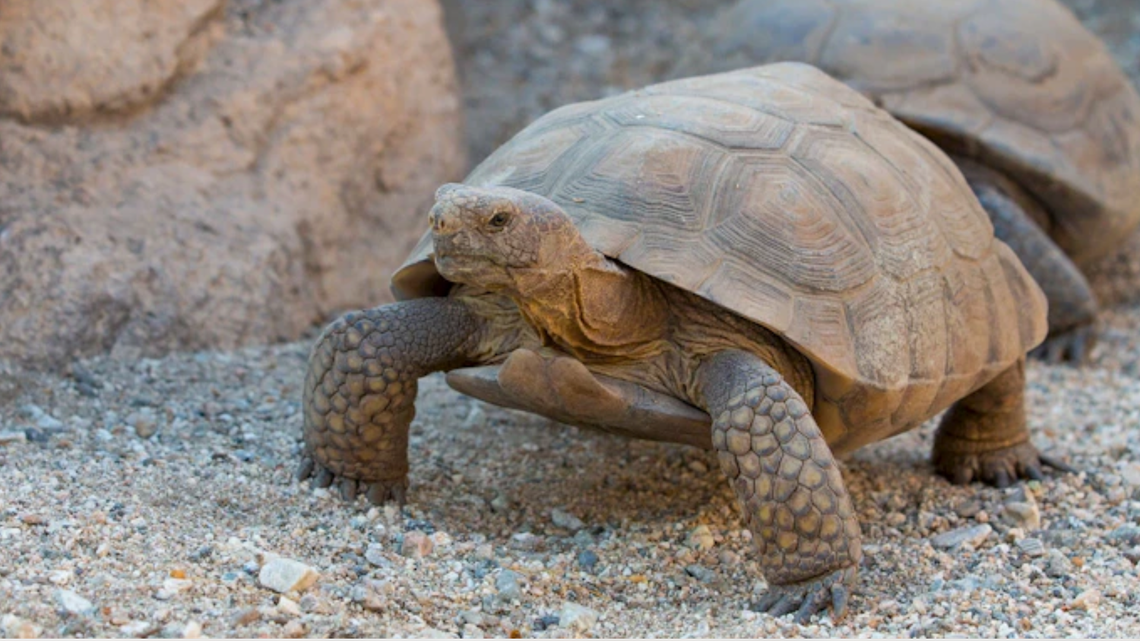
What about Mojave Maxine?
Groundhogs aren’t native to California, so the Golden State has turned to other animals, including a tortoise dubbed Mojave Maxine.
Mojave Maxine is a desert tortoise living at The Living Desert Zoo and Botanical Gardens in Palm Desert, California.
The nearly 50-year-old tortoise goes into a form of hibernation called brumation around Thanksgiving, KUSI reported. The zoo has tracked her emergence since 2006. It has ranged from as early as mid-January to as late as early March.
It hosts a guessing contest for students in San Bernardino, Imperial and Riverside counties.
This story was originally published February 1, 2026 at 5:00 AM with the headline "Did Punxsutawney Phil see his shadow? Lore, regional traditions of Groundhog Day."