Which plants are endangered in California? 10 species to know
Ever pick a wildflower in California? Before you pluck another posey, you might want to think again.
California is home to a number of rare and endangered plants.
A total of 225 species, subspecies and varieties of native plants are designated as rare, threatened or endangered under state law, the California Department of Fish and Wildlife said, and thousands more are “of conservation concern.”
Find out what plants are endangered in California:
What is an endangered species? Threatened?
Animals and plants on the verge of extinction in California can be classified as threatened, endangered or fully protected.
Under federal Endangered Species Act guidelines, an “endangered” species is “in danger of extinction throughout all or a significant portion of its range.”
A “threatened” species is likely become endangered in the future.
Under the act, animals and plants can get federal protection as endangered or threatened species due to:
- Destruction, modification or curtailment of habitat or range
- Overutilization for commercial, recreational, scientific or educational purposes
- Disease or predation
- Inadequate regulatations
- Other natural or manmade factors
According to the California Department of Fish and Wildlife, the term “fully protected” is only used within California and indicates species that are rare or facing extinction.
“Most fully protected species have also been listed as threatened or endangered species under the more recent California Endangered Species Act,” the state Fish and Wildlife Department said.
What does the California Endangered Species Act protect?
The California Department of Fish and Wildlife adds or removes species to its endangered or threatened lists based on regular assessments.
The California Endangered Species Act aims to protect fish, wildlife and plants that are “in danger of extinction” due to factors including overexploitation, disease, predation and threats to their habitats.
“Conservation, protection and enhancement of these species and their habitat is of statewide concern,” state law says.
For a species to be listed under the California Endangered Species Act, the California Fish and Game Commission must complete a formal listing process.
What are endangered plants in Northern and Central California?
Many rare and endangered plants can be found in the San Francisco Bay Area, according to the San Francisco Environment Department.
In spring, the Presidio clarkia produces delicate pink flowers. This member of the evening primrose family is only found in the Oakland Hills and San Francisco’s Presidio.
“Presidio clarkia is restricted to serpentine soils in grassland and coastal scrub communities, and it prefers habitats unobstructed by shade,” the California Department of Fish and Wildlife said, noting that destruction of that habitat is the plant’s primary threat.
The California seablite is endemic to San Luis Obispo County, with pants The plant has a wood stem with branches, leaves and fruit. The California Native Plant Society said California seablites are rare plants that are only found in salt marshes.
The San Francisco lessingia grows on the highly urbanized San Francisco peninsula, where it’s lost more than 90% of its natural habitat. This plant is restricted to only seven areas and needs a specific habitat found on sand dunes and sandy soils, state wildlife officials said.
The island barberry can only be found in remote locations on Santa Cruz Island, according to the Santa Barbara Botanical Garden.
As the plant doesn’t produce seeds, the botanical garden harvests clippings to grow in its nurseries.
Which plants are endangered in Southern California?
Some of the rarest plants in California can be found at the San Diego Botanic Garden, according to its website.
There’s only one place in California where Orcutt’s hazardia, and it’s in San Diego.
Threats to the plant, which can grow as high as 80 inches and sports small yellow flowers on top, include wildfires, invasive species and recreational use of its habitat, the California Department of Fish and Wildlife said.
Nevin’s barberry is an evergreen shrub typically found in Southern California. It’s found in a variety of environments ranging from “nearly flat sandy washes, terraces and canyon floors to ridges and mountain summits,” the state Fish and Wildlife Department said.
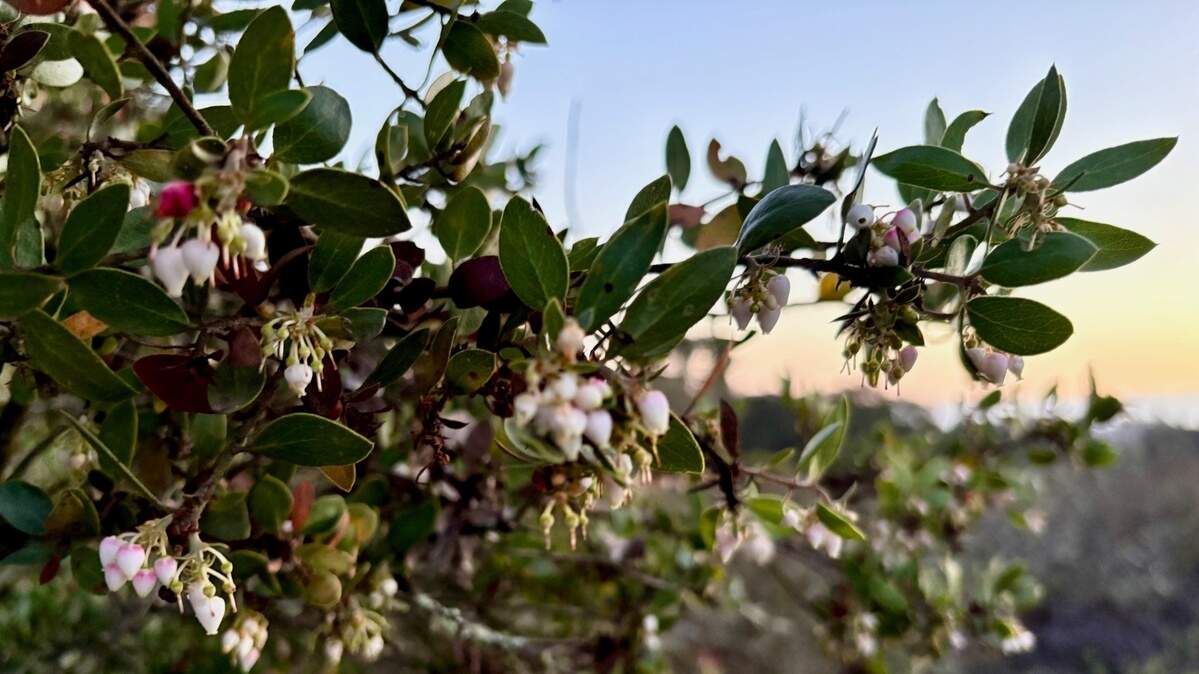
Another evergreen shrub found in San Diego County, Del Mar manzanita has thick leathery leaves and clusters ofwhite and pink flowers.
Its blooms serve as a source of nectar for insects and birds, while its fruit provide food to animals. The plant can survive long periods of droughts and fires by crown-sprouting from basal burls.
What are the other manzanita species that are endangered in California?
There are 12 other kinds of manzanita on the endangered or threatened plants list.
According to the UC Master Gardener Program of Sonoma County, manzanitas are the most suitable native California plants for gardens because they’re the most adaptable.
“Manzanitas in the wild can be found in a wide range of habitats, from coastal scrub to mountain bluffs to pine forests,” the program said. “Given their diverse native habitats, there are manzanitas for almost every garden situation,” the program said.
There are only five remaining populations of the Franciscan manzanita, in 2009, all at the Presidio of San Francisco.
The lone manzanita, meanwhile, can be found in Amador County.
The U.S. Fish and Wildlife Services said primary threats to manzanita are habitat loss due to urban development and encroachment from other plants.
This story was originally published April 22, 2026 at 8:00 AM with the headline "Which plants are endangered in California? 10 species to know."