CA officials warn of increased bear encounters, especially in Tahoe, as temps rise
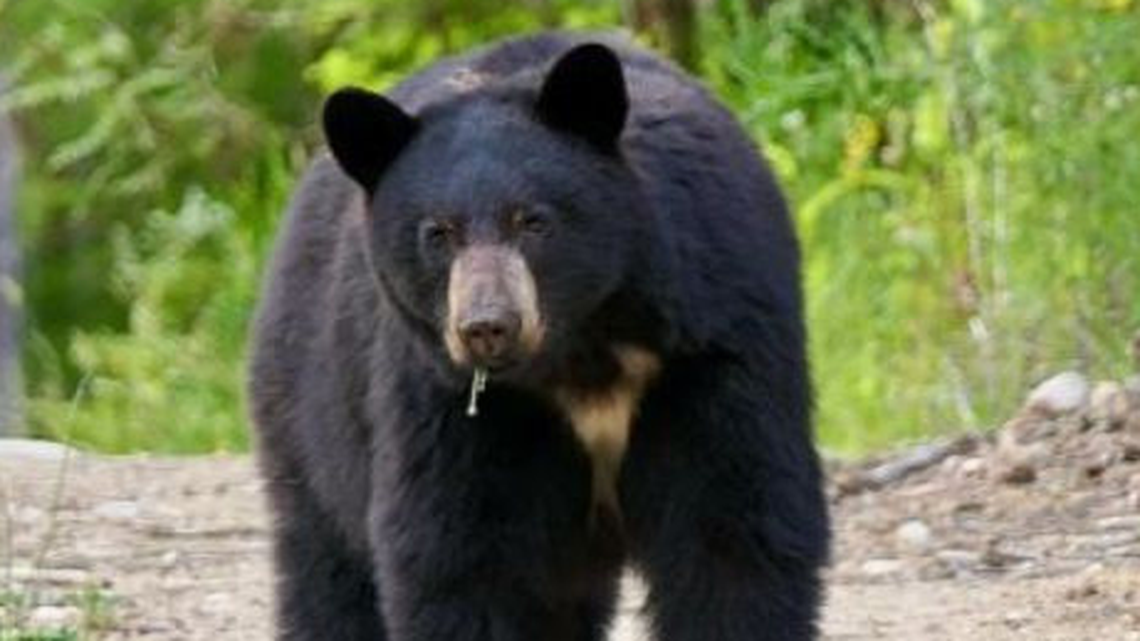
As temperatures rise and snow melts in the Lake Tahoe Basin, black bears are emerging from their dens, prompting wildlife officials to warn of increased encounters in mountain communities. The California Department of Fish and Wildlife on Tuesday said more urban interactions are expected around Tahoe this spring.
“Male and female bears without cubs are already active, feeding on early grasses and plants,” the agency wrote in a statement.
Wildlife officials said warmer-than-average temperatures and low snowpack may reduce natural food sources for bears later this year. These conditions could shorten the growing season and limit food availability, the agency said.
“With Lake Tahoe snowpack at just 24 percent of the April average and warm temperatures prematurely melting snow, the Tahoe Basin is likely to see a shortened growing season with average or below average mast productivity,” the agency wrote in a statement.
When these food sources are scarce, the CDFW reports black bears will turn to alternative food sources like insects and small animals. Bears living in urban areas might rely on human-provided food, which Bear Management Specialist Sarinah Simons said could pose a safety risk to both bears and people.
“What puts bears at greatest risk isn’t a lack of natural food, it’s access to ours. Encouraging close interactions, allowing bears to den under homes, or feeding bears (intentionally or unintentionally) leads to dangerous outcomes for both bears and people,” Simons wrote in a statement. “If we want healthy bears on the landscape, we need to give them the space to stay wild.”
The CDFW urged Lake Tahoe residents and visitors to reduce attractants by not feeding bears, removing bird feeders when bears are active, avoiding leaving pet food outside, cleaning grills, alerting neighbors to bear activity and securing food and garbage. Keeping windows and doors locked can also prevent bears from entering homes.
To report human bear conflicts in California, call CDFW at 916-358-2917.
What to do if you see a bear
Bear attacks in the U.S. are rare, according to the National Park Service. In most attacks, bears are trying to defend their food, cubs or space.
There are steps people can take to help prevent a bear encounter from becoming a bear attack.
Identify yourself: Talk calmly and slowly wave your arms. This can help the bear realize you’re a human and nonthreatening.
Stay calm: Bears usually don’t want to attack; they want to be left alone. Talk slowly and with a low voice to the bear.
Don’t scream: Screaming could trigger an attack.
Pick up small children: Don’t let kids run away from the bear. It could think they’re small prey.
Hike in groups: A group is noisier and smellier, the National Park Service said. Bears like to keep their distance from groups of people.
Make yourself look big: Move to higher ground and stand tall. Don’t make any sudden movements.
Don’t drop your bag: A bag on your back can keep a bear from accessing food, and it can provide protection.
Walk away slowly: Move sideways so you appear less threatening to the bear. This also lets you keep an eye out.
Again, don’t run: Bears will chase you, just like a dog would.
Don’t climb trees: Grizzlies and black bears can also climb.
This story was originally published April 28, 2026 at 1:30 PM with the headline "CA officials warn of increased bear encounters, especially in Tahoe, as temps rise."