Where are rattlesnakes active in California? Seven bites reported in same county
Another person has been bitten by a rattlesnake in Ventura County in Southern California, according to local officials.
Firefighters with the Ventura County Fire Department responded to a rattlesnake bite off the Long Canyon trail in Wood Ranch on Thursday, April 30, the agency wrote in an X post.
“This marks the seventh reported rattlesnake bite in Ventura County since mid-March,” the Ventura County Fire Department said, indicating an “increase in snake activity.”
Two people bitten by rattlesnakes in Ventura County have died, The Sacramento Bee previously reported.
Here’s where you can expect to find rattlesnakes in California — and how to avoid them:
When are rattlesnakes active in California?
Snakes are most active from April to October, according to the U.S. Forest Service.
California is home to seven species of rattlesnake.
The most common is the western rattlesnake, which can be found from sea level to elevations of 7,000 feet, according to the California Department of Fish and Wildlife.
Rattlesnakes are recognized by the distinct sound their rattles make — although they don’t always use them.
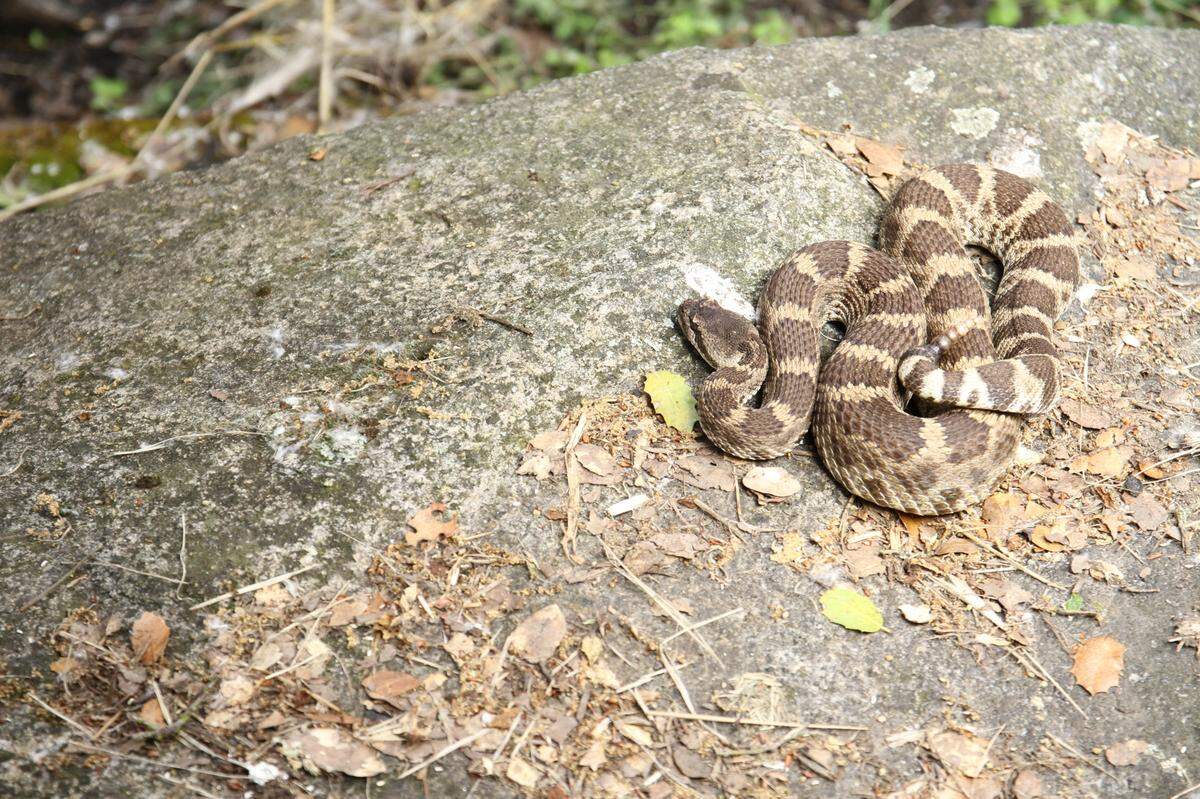
You can also identify the venomous reptiles by their gray or light brown banded markings and triangular-shaped heads. They usually measure 2 to 4 feet long.
Where will I encounter rattlesnakes?
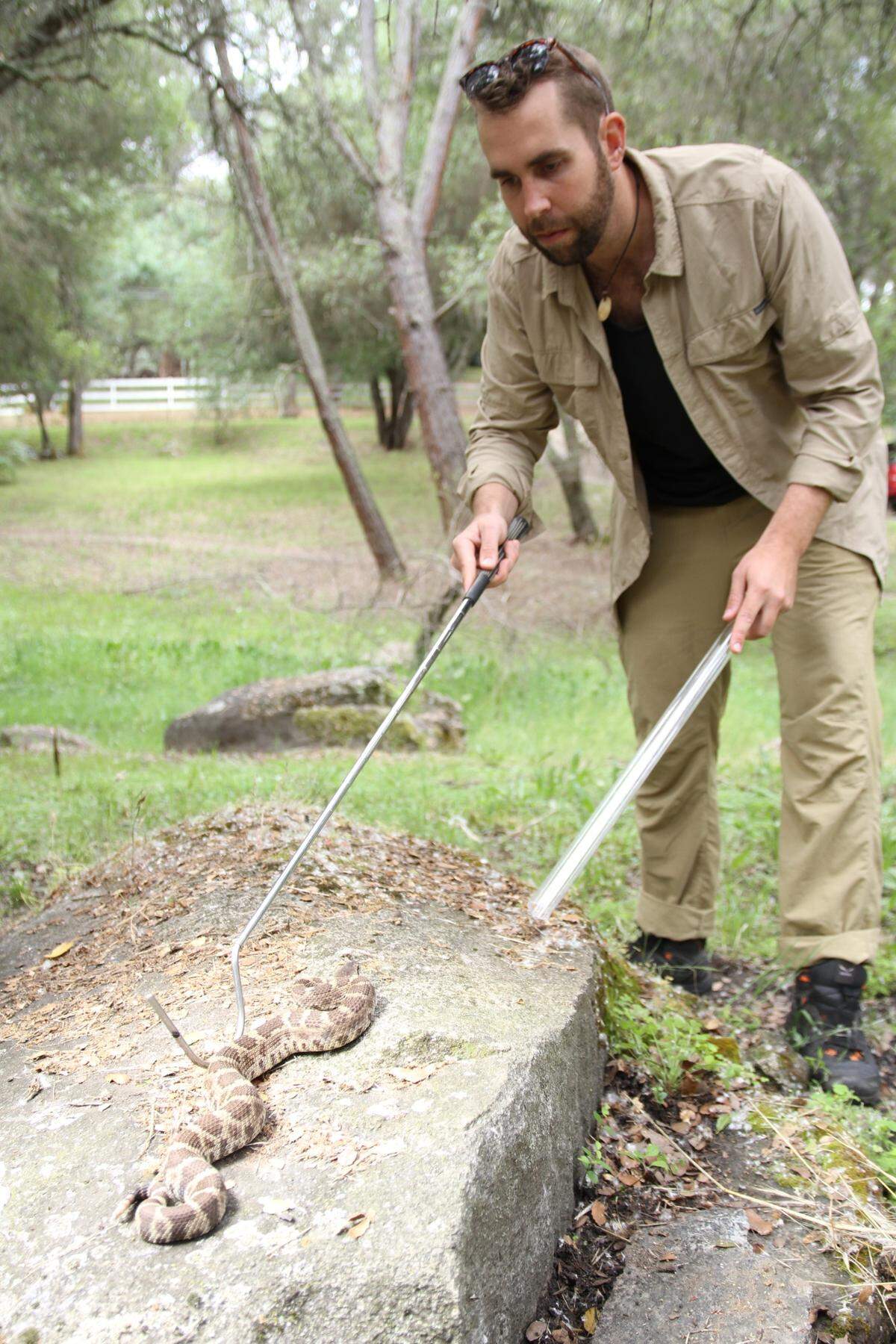
Rattlesnakes typically hang out under rocks, logs and woodpiles, the National Park Service said.
You might also spot rattlers near boulders, stumps and fallen trees, according to Michael Starkey, founder and executive director of Save the Snakes in Sacramento.
“Snakes are really secretive. ... They don’t want to encounter people,” Starkey previously told The Bee. “... Going out into open yards will expose them to predators.”
Can rattlesnakes climb trees? Walls?
“Rattlesnakes are most often found on the ground,” Starkey said, but they are capable of climbing.
He said there are a few reasons that snakes might seek a higher perch — including searching for birds, rodents and other prey.
“They might be investigating a food source,” Starkey explained. “They might be escaping a predator. ... They might be flooded out of their burrows.”
“A rattlesnake is going to do everything in its power not to get eaten,” he said, so it will “typically flee into vegetation or into a burrow” to avoid predators.
Snakes can also shimmy up walls, although they tend to prefer ones with rough surfaces and lots of holes.
Are rattlesnakes good climbers?
“You would think that having no arms and legs would make snakes poor climbers, but it doesn’t,” Starkey said. “They’re all muscle.”
What’s more, he added, “Their belly scales are adapted to gripping surfaces.”
However, certain species — such as rat snakes and rough green snakes — are better at climbing than others.
Fully grown rattlesnakes are “quite heavy,” Starkey said, “so they’re not generally as good at climbing.”
“Young rattlesnakes are lighter bodied, so (they’re) better at climbing,” he explained. “They’re also exploring a lot more. They’re trying to find a good place to live.”
Can snakes swim?
“Rattlesnakes are excellent swimmers,” the University of California’s Statewide Integrated Pest Management Program said. “Never grab what appear to be sticks or branches while swimming.”
Certain kinds of rattlesnakes live near water, so you’ll often find them by rivers, lakes or reservoirs.
“A lot of times they get displaced from their burrows underground” by rising waters, San Luis Obispo County Parks Superintendent Brian Wilder told The Tribune in 2023. “They end up swimming to try to find a place to go.”
“If the snake has to get from Point A to Point B, they’ll swim,” Starkey said. “Sometimes it’s just that simple.”
If you see a rattlesnake headed toward your boat or paddleboard, he said, it’s likely looking for “something to climb onto and take a break from swimming.”
Don’t panic if you spot a snake in the water, Wilder said. Just leave it alone.
How to avoid rattlesnakes in California
“Rattlesnakes aren’t aggressive to humans unless threatened or frightened,” Stephen Nett, a Bodega Bay-based naturalist, wrote on Sonoma County Regional Parks’ blog.
The snakes are typically shy around bigger animals.
They will rattle if they sense prey and try to escape — and you should let them get away.
A rattlesnake can strike as far as two-thirds of its body length, according to Sonoma County Regional Parks.
The Ventura County Fire Department also recommended taking these steps to stay safe:
- Stay on marked trails and watch where you step.
- Wear boots and long pants.
- Look before stepping over rocks or logs.
What should I do if I’m bitten by a rattlesnake?
If you are bitten by a rattlesnake, “stay calm, limit movement and call 911 immediately,” the Ventura County Fire Department said.
“Do not use a tourniquet or try to remove venom,” the agency added.
This story was originally published May 1, 2026 at 12:53 PM with the headline "Where are rattlesnakes active in California? Seven bites reported in same county."