What’s the best thermostat setting in CA to stay cool, save money this summer?
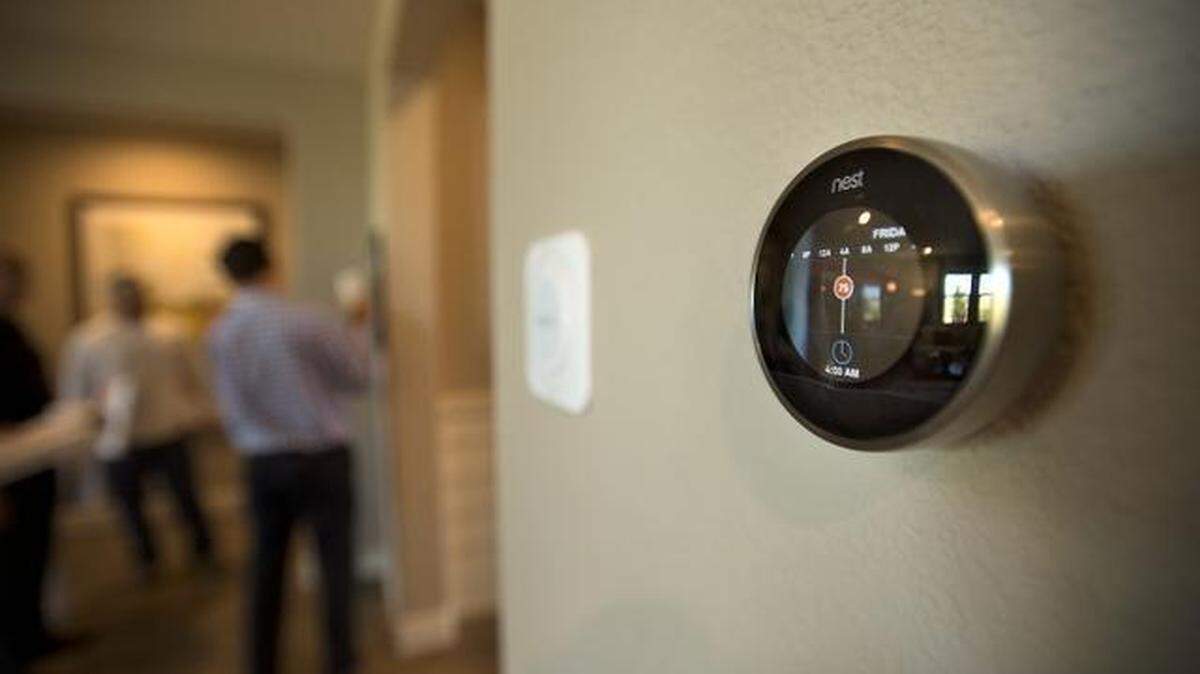
With above-normal temperatures forecast in California this summer, you might be tempted to blast your air conditioner to keep your home cooler.
Before fiddling with the thermostat, however, you might want to do some research.
What’s the best thermostat setting during warmer weather? Are there cheaper options for keeping your home comfortable?
Follow these guidelines to cool down your home and lower your utility bills during the summer:
What’s the best temperature for cooling my California home?
During the summer months, indoor thermostats should be set to 78 degrees when you’re home, according to Trane, a temperature control systems company.
“When you keep your thermostat higher, both when you’re at home and especially when you’re away, you’re asking less” from your heating, ventilation and air conditioning system, according to Kimberly Sexton, senior systems engineer at Trane.
“That reduced strain can help it last longer and keep more money in your pocket through lower energy and repair costs,” Sexton explained.
If 78 degrees isn’t quite cool enough for you, you can make small adjustments — increasing the temperature one to two degrees higher than normal until you reach your comfort limit.
“Every degree you raise your thermostat above 72 degrees, you save up to 3% on your cooling expenses,” Trane said.
What should I set my thermostat to when I’m away?
When you’re away from home, set your thermostat 7 to 10 degrees higher than normal to keep electricity costs low, Trane said. According to the U.S. Department of Energy, you can save as much as 10% year on heating and cooling costs by cranking up or down your thermostat for 8 hours a day.
Trane said you shouldn’t set the temperature higher than 80 to 85 degrees in the summer because you need your HVAC system working regularly to remove humidity and prevent mold growth.
If you’ll be out for more than 4 hours, Pacific Gas & Electric suggests turning off your AC unit entirely to save money.
You can even schedule your AC to come on 30 minutes before you return home, PG&E said.
What are easy ways to lower my home’s temperature?
To save money and cool down your home naturally, Trane offered some tips to improve indoor temperatures.
Using ceiling, box or standing fans can help you save money while also acting as a cooling system.
Fans are not meant to cool the room but the people inside it. The wind chill effect forces your body to release body heat, making the air feel colder.
“LED lightbulbs put off less heat than the other options, which is especially important in the summertime,” Trane said.
LED bulbs also use a significantly less amount of energy than incandescent or fluorescent bulbs.
Instead of jacking up the air conditioning, close blinds and seal any visible gaps around doors and windows. This helps keep the heat outside your house without escaping to the indoors.
What’s the cheapest option to cool my home?
PG&E created a chart of monthly appliance energy costs for customers, demostrating how heating and cooling expenses differ during peak pricing hours and off-peak periods.
Keeping a central air conditioner running for five hours a day during peak hours — 4 to 9 p.m. — will cost you $181.25, while operating the AC during off-peak hours costs $152.70 a month, according to PG&E.
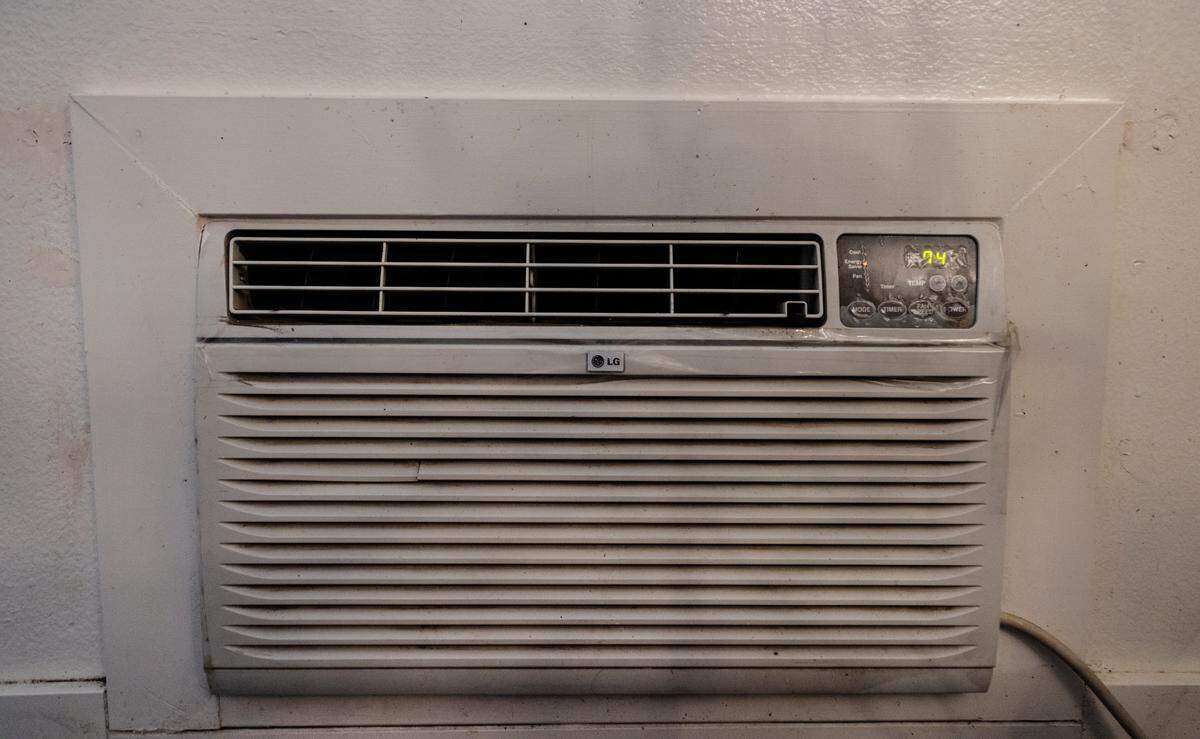
Room or window unit air conditioners, on the other hand, cost $60.41 per month during peak hours and $50.90 monthly during off-peak hours.
Ceiling fans are the cheapest option to cool your home down, according to PG&E.
Running a ceiling fan five hours a day during peak hours will add $4.53 to your monthly utility bill, while off-peak hours usage costs $3.82 a month.
What’s the best AC setting for pets?
“In the summer, most dogs and cats will do well with a thermostat setting of 75 to 78 degrees,” said The Spruce Pets, a pet advice website.
Dogs like it cooler, while cats prefer warmer temperatures into the mid 80s.
“If no one is home and you’re looking for safe, comfortable range for all pets in any season, 68 to 75 degrees is generally tolerable,” The Spruce Pets said.
According to The Spruce Pets, these are symptoms your pet will show if they are too hot:
- Panting
- Excessive salivation
- Sweaty paws
- Lethargy
- Seeking water or shade
If your pet has bright red gums or is vomiting, disoriented or having trouble breathing, it might be experiencing heatstroke.
This story was originally published May 26, 2026 at 9:00 AM with the headline "What’s the best thermostat setting in CA to stay cool, save money this summer?."