Salmon fishing returns to Sacramento River after 3-year hiatus. Anglers hope it lasts
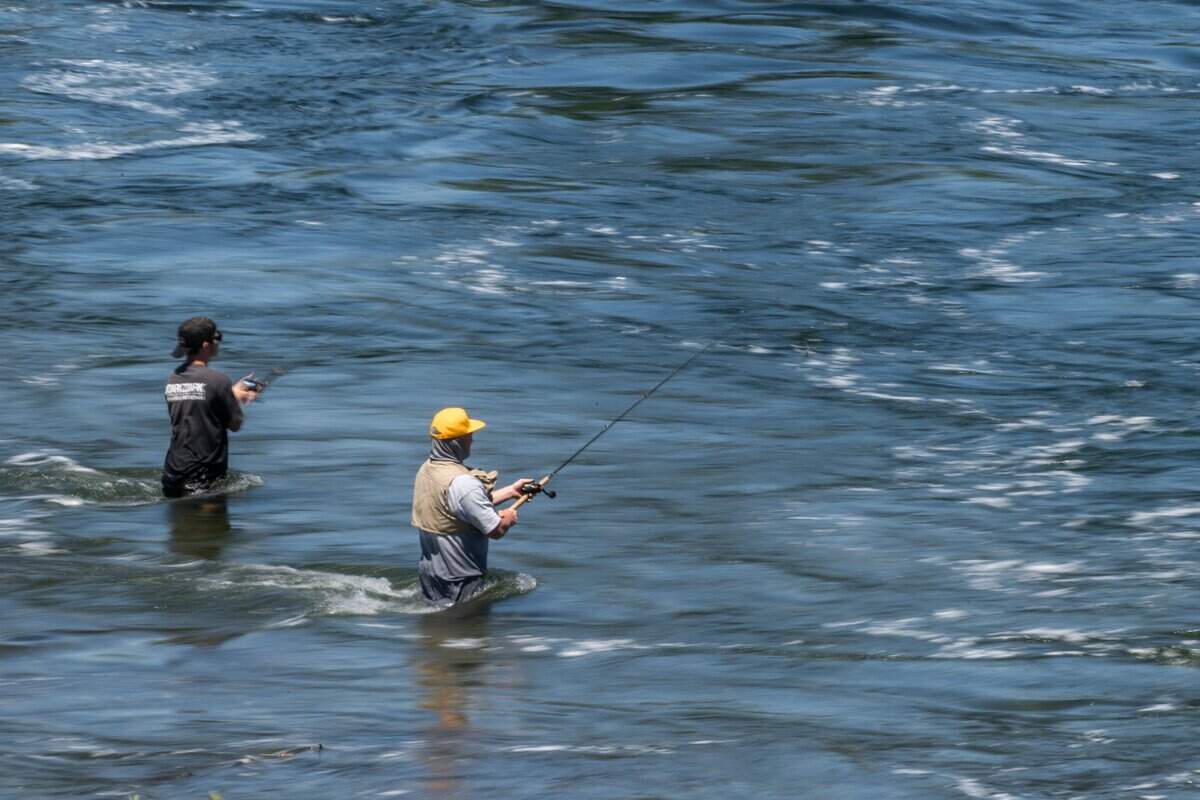
After three years of closure, recreational fishers and local fishing guides welcomed the return of salmon fishing Thursday on the Sacramento River and in the Klamath River Basin.
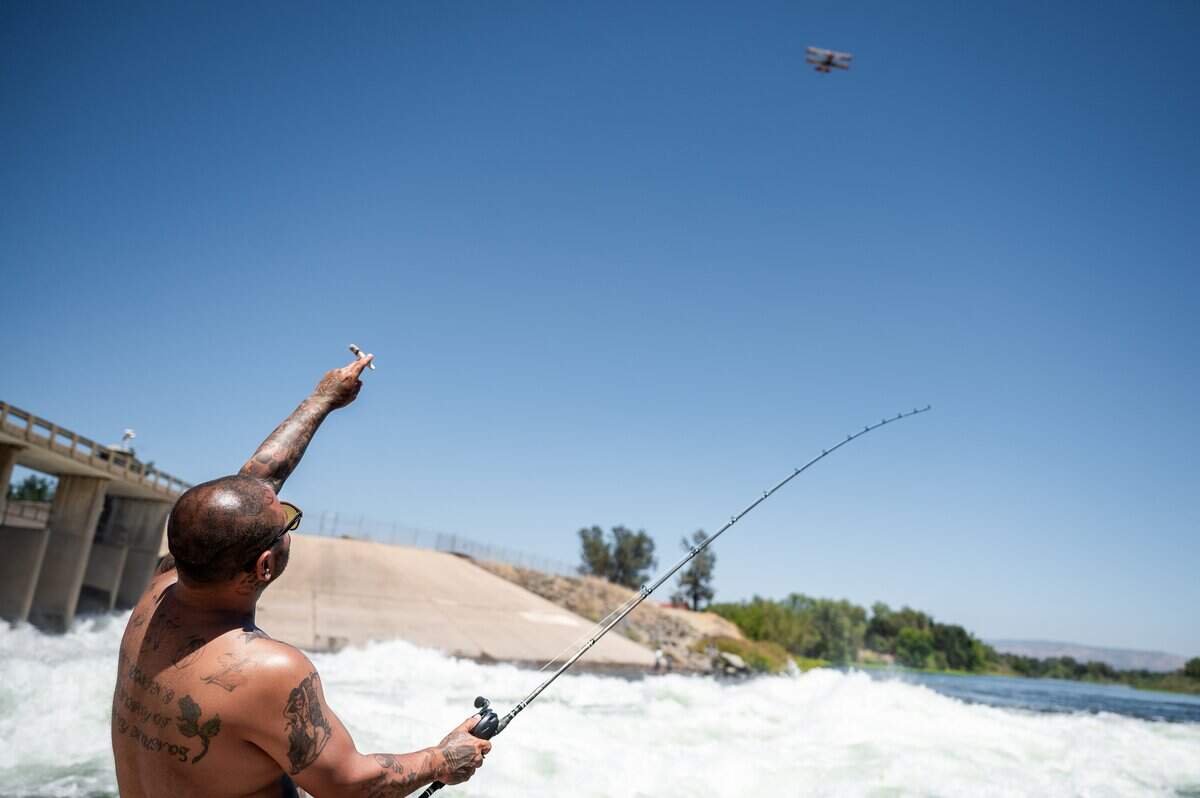
“This year they bumped the limit to two per person, so I think it’s gonna be good,” said Austin Wilson, a year-round fishing guide who plans to fish salmon on Feather River, a tributary of the Sacramento River, on Sunday.
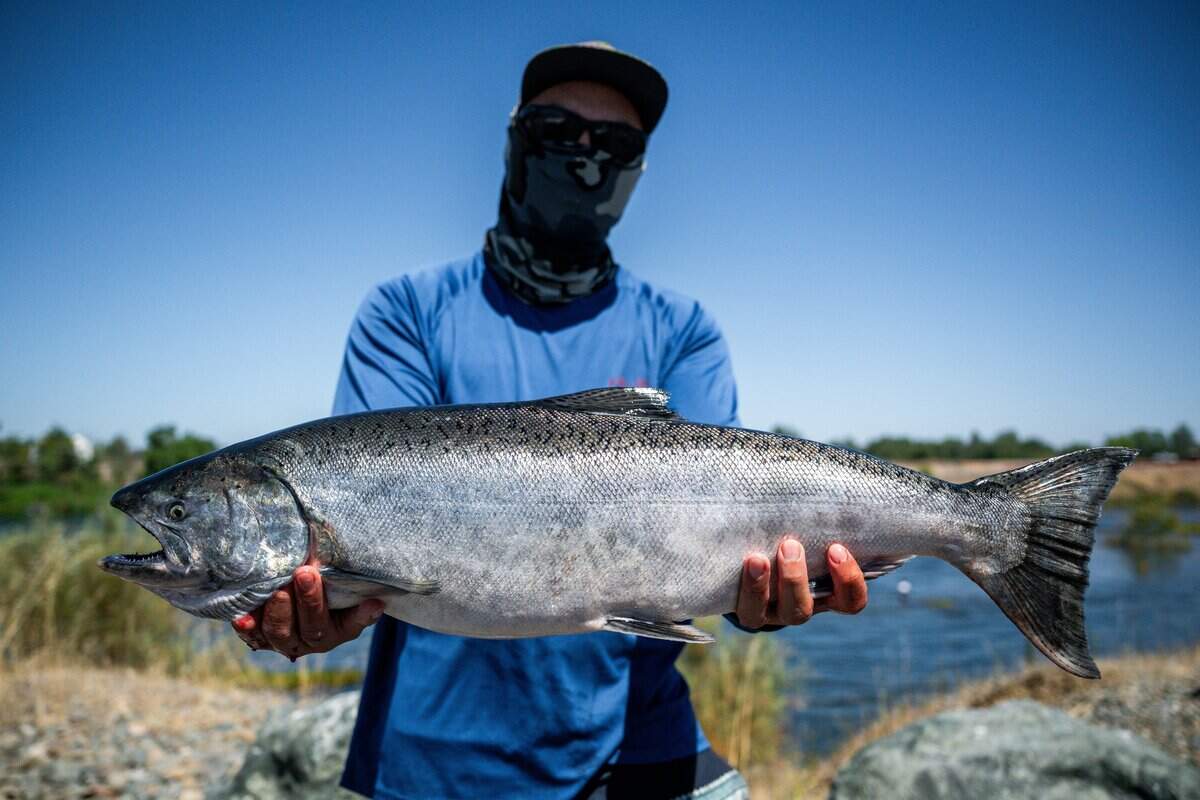
During the 2026 season, fishers may catch two Chinook salmon per day and possess no more than four fish at any time. Depending on the waterway, the season will remain open until Oct. 31 or through the end of the year.
The American River and Mokelumne River will also have full fishing seasons this year after a highly restricted season in 2025 that lasted just six days, when the limit was one Chinook salmon per day.
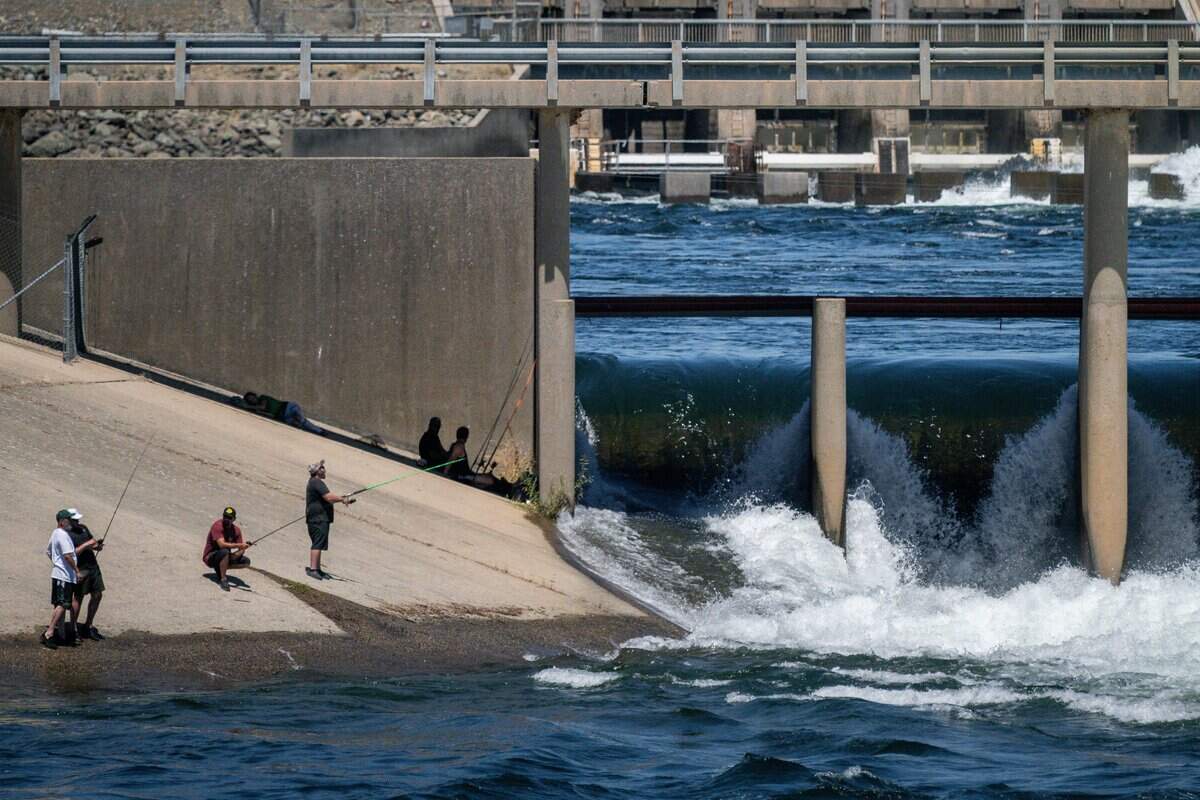
Bait and tackle shops had started preparing for the return of salmon fishing earlier on.
“We probably spent about $1,700 getting salmon stuff, and it should be here tomorrow,” said Missy Jamey, who works at North Valley Tackle and Pro Shop in Oroville. “Scents, lures, spinners, red hooks, beads. Just bought everything you could need.”
Jamey said that business on Thursday was just a tad busier than typical, but that she expected the next two weeks to get busier as fishers started to run out of supplies.
Meanwhile, Dennis Pfanner, who owns the 49-year-old Sacramento Pro Tackle in Gardenland, reported that the shop had been much busier than typical.
“We’re probably 100% more busier than we normally are,” he said. “Everybody’s pumped up for the salmon opener.”
California’s oceans and inland waterways were completely closed to salmon fishing in 2023 following a historically low ocean abundance forecast by the Pacific Fishery Management Council, which estimated just 169,767 adult Chinook salmon would return to the Sacramento River to spawn that fall. It was one of the lowest forecasts since 2008, when the current assessment method began.
“The forecasts for Chinook returning to California rivers this year are near record lows,” said Marc Gorelnik, the council’s then-chair, in a 2023 news release.
Because California is the nation’s largest agricultural producer and most populous state, demand for water is high, and wildlife often suffers when water from dams is diverted to farmland.
“When we go through those recent droughts and that kind of taxes our water system, fish and wildlife often suffer,” said Peter Tira, a California Department of Fish and Wildlife spokesperson.
The most recent population crash was driven by years of drought leading up to 2023, reducing the amount of water available to salmon, according to the California Ocean Protection Council. Wildfires and damage to spawning habitat further contributed to declining populations.
This year’s salmon fishing season will be open to both commercial and recreational fishers in the ocean and on inland waterways. The decision followed the Pacific Fishery Management Council’s estimate that 392,349 adult Chinook salmon would return to the Sacramento River to spawn this fall, according to its annual ocean abundance forecast. In 2025, that figure was just 165,655 fish.
Despite the nearly doubled forecast, conservationists said salmon populations remain low and are vulnerable to further declines.
“We got lucky with rainfall in 2023 and 2024. There was enough runoff to basically leave some surplus water in the Central Valley to resurrect our salmon population after all the regular diversions take place,” explained John McManus, the Golden State Salmon Association’s senior policy director.
A man-made problem
In addition to drought and a warming climate, longtime fishermen cite inland water policy, including President Donald Trump’s 2025 executive order to pump more water out of the Sacramento-San Joaquin River Delta, as a major concern for salmon conservation.
“Basically, they’re going to give away too much water and not leave enough for salmon,” McManus said.
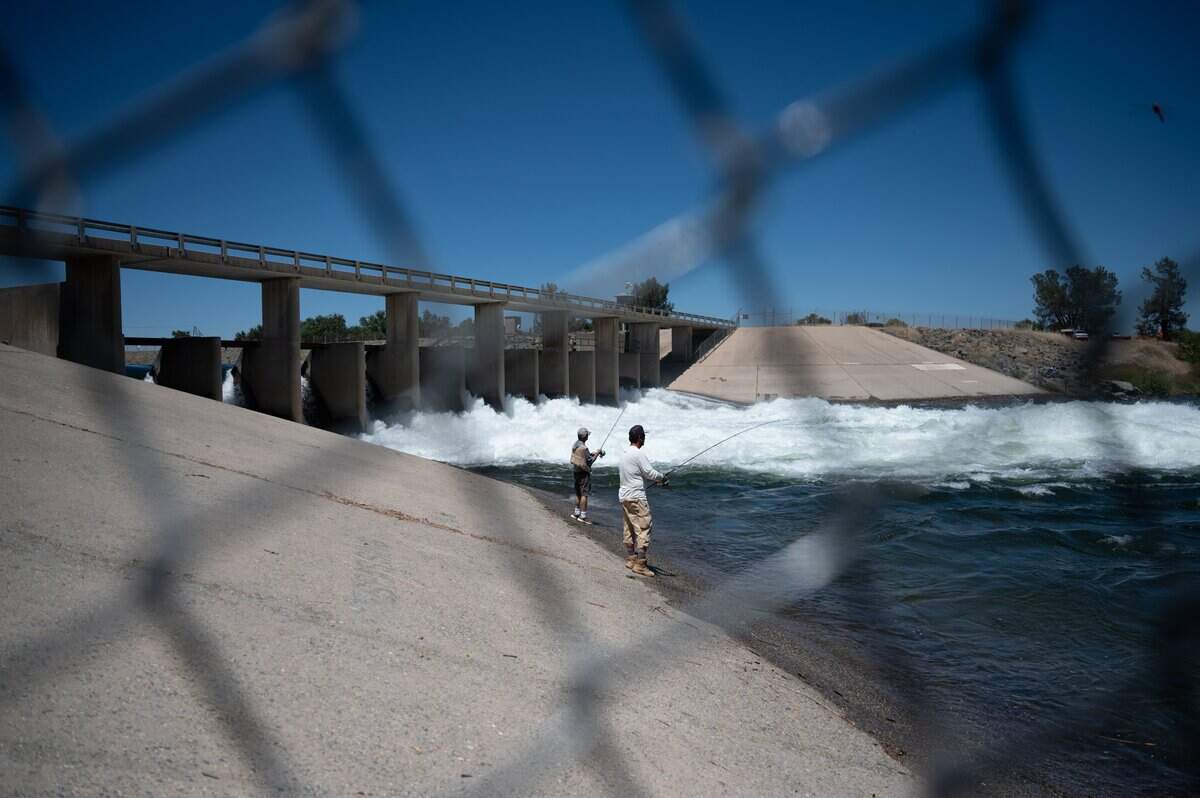
Because of the order, the U.S. Bureau of Reclamation plans to draw Shasta Lake, which has capacity for 4.5 million acre-feet, down to 2.2 million acre-feet of water this fall, reducing the amount of cold water available to salmon for spawning.
“The adult salmon that come back this year need to have cold water for their incubating eggs to successfully hatch and survive,” McManus said. “Many of those eggs are not going to have the cold conditions they need.”
Because Chinook salmon have a three to four year life cycle, low survival rates for salmon eggs in 2026 will affect salmon fishing seasons for years to come.
In March, as the U.S. Fish and Wildlife Service released 6.2 million juvenile hatchery salmon into Sacramento River, a period of extreme heat prompted conservationists to urge the Bureau of Reclamation to release more water from Shasta Dam, warning that the young salmon could die in the warming, low-flow river.
Temperature management at Shasta Dam by the Bureau of Reclamation had previously drawn intense criticism from environmental and natural resources groups before the 2023 fishing closure.
In 2020, the Bureau of Reclamation released a draft temperature management plan for Shasta Dam to public comment. In response, the Natural Resources Defense Council, Sierra Club California, The Bay Institute, San Francisco Baykeeper, Tuolumne River Trust and California Sportfishing Protection Alliance submitted a joint letter to the State Water Resources Control Board.
The letter argued the plan did not comply with Water Right Order 90-5, which requires the Bureau of Reclamation to maintain daily temperatures of 56 degrees Fahrenheit at Red Bluff Diversion Dam, which receives water directly from Shasta Dam, to protect fish. Among the concerns raised was that failing to meet the cooler water temperature requirements would kill an estimated 27% to 28% of critically endangered winter-run Chinook salmon, according to the drafted plan.
“While inflow to Shasta in 2020 has been very low, Reclamation also began the year with maximum water storage behind Shasta Dam. Reclamation has the ability to provide better water temperatures and reduced mortality of endangered salmon, but instead chose to ‘maximize water deliveries,’” the letter stated.
After revisions, the final temperature management protocol predicted a 28% mortality rate for Chinook salmon.
“For water year 2020, Reclamation has determined that it cannot reasonably maintain 56°F at the Red Bluff Diversion Dam,” wrote Kristin White, operations manager for the Bureau of Land Reclamation, in an email to the State Water Resources Control Board submitting the final temperature management protocol. “Protection of the fishery can best be achieved by allowing a higher temperature in order to conserve cool water for later release.”
The following January, NOAA released a report estimating the number of juvenile salmon expected to enter the Sacramento-San Joaquin River Delta from the Sacramento River. The report showed a 7% decrease in the number of eggs that hatched and developed into fry over the winter, partially attributed to “low flows” due to low rainfall.
The next year was one of the warmest and driest on record, resulting in less cold water in reservoirs across the state and an estimated 75% egg mortality rate among the 31 million salmon eggs laid across California, according to NOAA Fisheries models.
Impacts on fishing communities
After the 2023 closure, U.S. Secretary of Commerce approved Gov. Gavin Newsom’s request for a federal fishery disaster declaration to support affected fisheries. Nevertheless, fishing communities suffered.
“People have lost their jobs over this ordeal over the last three years,” Vance Staplin, a board member of the Golden State Salmon Association, said. “It broke families apart. Long generation businesses broke families apart due to the stress of losing their business.”
Rick Powers, who has operated charter boats out of Bodega Bay for 43 years as the owner of Bodega Bay Sport Fishing Center, said business had been tough since the salmon fishing closure.
“Economically, it’s been tough for the charter boat industry and the commercial fishing industry,” he said. “Salmon is the draw to our coastal communities.”
Ocean salmon fishing opened along California’s Central Coast on June 27.
“The last two weeks have been phenomenal. We had a string of eight full limit trips for everyone on the boat. We’ve caught salmon up to 39 pounds,” Powers said. “It’s been a refreshing change to say the least.”
Meanwhile, Wilson, who hopes to become a full-time fishing guide, said he doesn’t expect the fishing to get good until later in the season.
“The main run of fish don’t really hit the river until the beginning of September,” he explained. “But, September, October, I can almost guarantee you we’re gonna catch fish.”
This story was originally published July 17, 2026 at 6:00 AM with the headline "Salmon fishing returns to Sacramento River after 3-year hiatus. Anglers hope it lasts."