Stanislaus County residents say they can’t access safe water. They met with regulators
AI-generated summary reviewed by our newsroom.
- A June 11 Stanislaus forum included regulators, two local nonprofits, and a reporter.
- Of the wells tested in Stanislaus County, 65% exceeded the allowable nitrate level.
- Valley Water Collaborative tests domestic wells for free and delivers bottled water if.
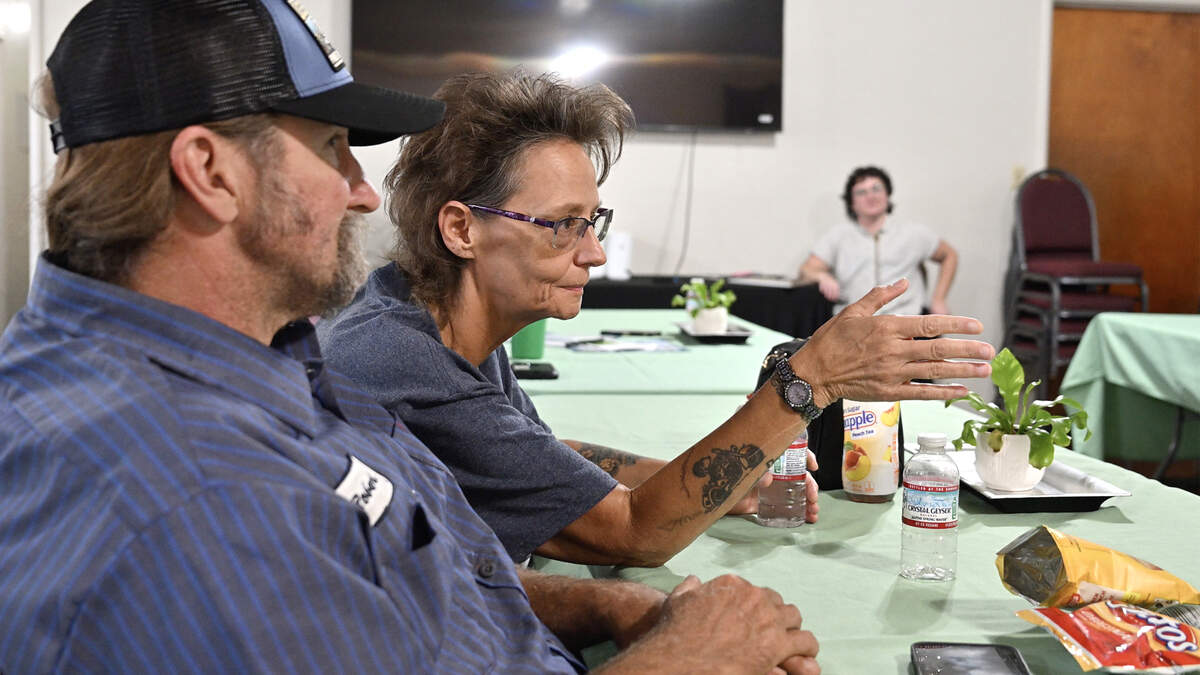
Stanislaus County residents heard from experts in local water quality and shared their own experiences with water contamination during a forum at the Second Baptist Church in West Modesto on June 11. The event was hosted by The Modesto Bee and the Merced Sun-Star.
The event brought in regulators from the State Water Board and the county Department of Environmental Resources. Joining them were representatives from two local nonprofit organizations: Valley Improvement Projects and the Valley Water Collaborative.
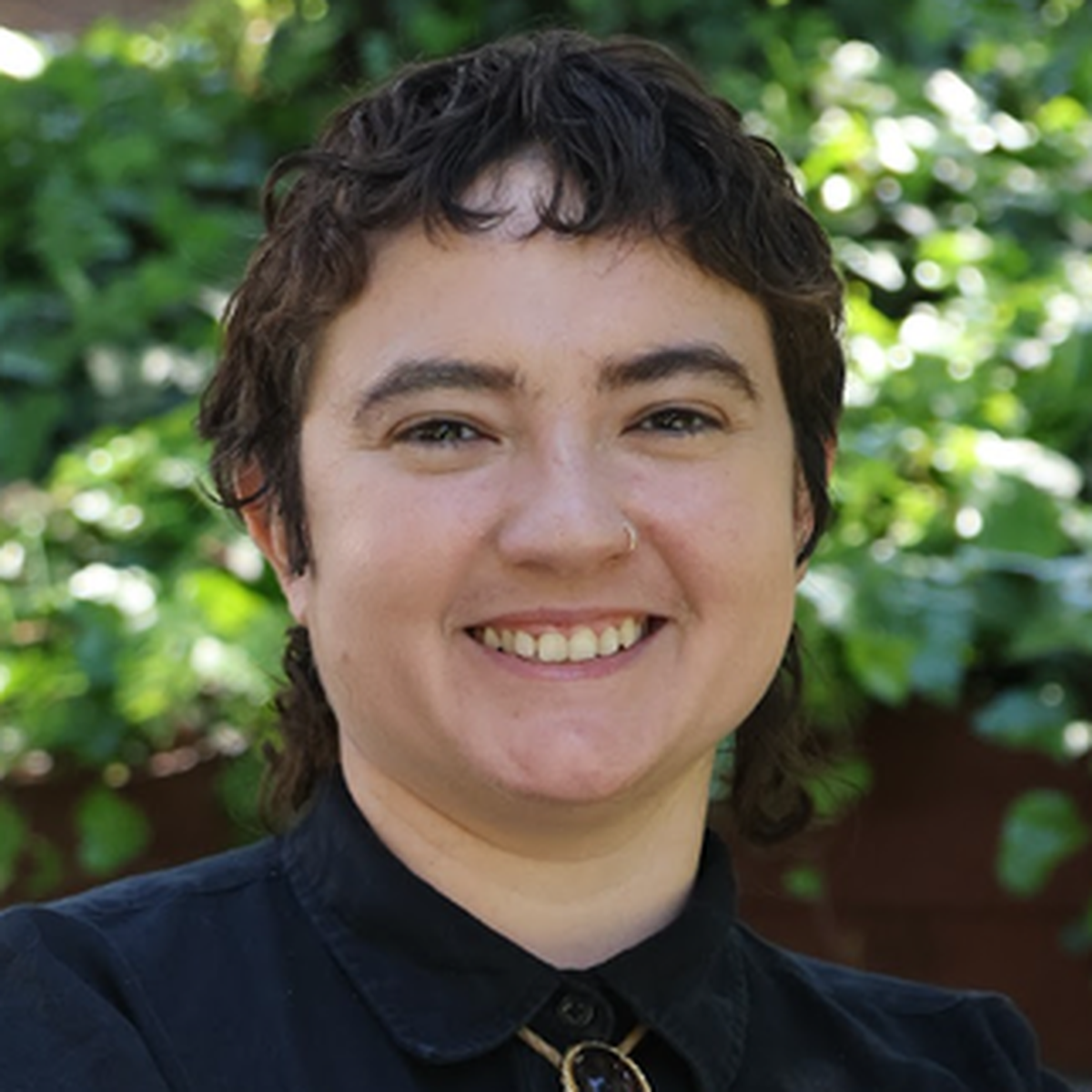
The Modesto Bee’s civics and democracy reporter, Kathleen Quinn, also was on the panel, sharing what she learned through her writing on groundwater in Stanislaus County.
Environmental justice and water quality issues
Thomas Helme, co-founder and co-director of Valley Improvement Projects, talked about the principles of environmental justice and the importance of recognizing that residents impacted by unsafe groundwater are often also impacted by other environmental health hazards, such as poor air quality.
In his introduction, Helme explained the values behind environmental justice and how it is rooted in the knowledge that “people of color are most likely to live near harmful pollution and suffer the burden of that pollution and the health effects that come with that.”
“Not only that,” he said, “but low-income communities of color (are) less likely to have access to medical help, they’re less likely to have political power. So when you put those two things together, pollution and not having the power to do something about it, that’s an environmental injustice.”
Helme and Valley Improvement Projects distributed water filters before and after the event, with the important caveat that the filters won’t help with some of the contaminants seen across Stanislaus County, such as nitrates. Of the wells tested in Stanislaus County, 65% were over the allowable level of nitrates.
Getting clean water to Stanislaus County residents
Maureen Johnson, executive director of the Valley Water Collaborative, joined the panel to speak about the organization, which connects residents to resources including water bottle service and low-cost testing for contaminants.
“Valley Water Collaborative is a nonprofit organization,” Johnson said, “and our main focus is nitrate in the groundwater. So our goal is to make sure that everyone that has a domestic well and is high-nitrate has access to safe drinking water.”
She emphasized that the “organization is here to test domestic wells for free, and if they are high in nitrate, deliver bottled water for free. Now we are also working on long-term solutions, both how to handle the people drinking the water and long-term solutions for drinking.”
David Zensius, who attended the panel on behalf of the State Water Board’s Safer Drinking Water and Rural Solutions Unit, explained that his department primarily regulates municipal water systems and relies “more heavily and partners with the county on issues pertaining to domestic wells and … small water systems.”
Rachel Reiss and Jessica Bizzanelli, both environmental health specialists for the county, said local primary agencies, or LPAs, work to regulate water systems that are smaller than those the state oversees.
“The LPA program is something that the state of California participates in, where it grants local counties and local health departments authority to regulate small public water systems and enforce the Safe Drinking Water Act. Small public water systems are those with less than 200 surface connections,” Bizzanelli said.
“What the LPA program does for our community … we ensure that the water systems are doing their water quality testing. We make sure that they have their water supply permit and other governs how they operate. We inspect their water system infrastructure and, most importantly, we are local, so we are able to provide guidance and clarification for the water systems on the state laws.”
During the forum, Quinn reiterated that through her reporting, she has discovered excessive levels of nitrates, uranium and a by-product of a legacy pesticide, 1,2,3-trichloropropane.
Residents share lack of safe water availability
In addition to hearing from experts in different areas of water safety, residents shared their challenges accessing safe water.
Tyrone McKinney shared his family’s experience in the Monterey Park Tract, where he said residents currently pay one and a half times the city rate for water from Ceres.
Sabrina Cesena, whom Quinn spoke to for a story about the impact of uranium and nitrate contamination, shared her consistent medical issues and inability to access safe water in the Riverview mobile home park.
Both McKinney and Cesena said they have been trying to get the attention of regulatory agencies for years but have been sent from one person to another without having their water contamination problems resolved.
The Modesto Bee and Merced Sun-Star are currently reporting on water quality in Merced County and plan to host a similar forum in Merced next month.
This story was originally published June 19, 2026 at 6:00 AM with the headline "Stanislaus County residents say they can’t access safe water. They met with regulators."