Fire killed thousands of mature giant sequoias, Sierra research shows. What’s happening now?
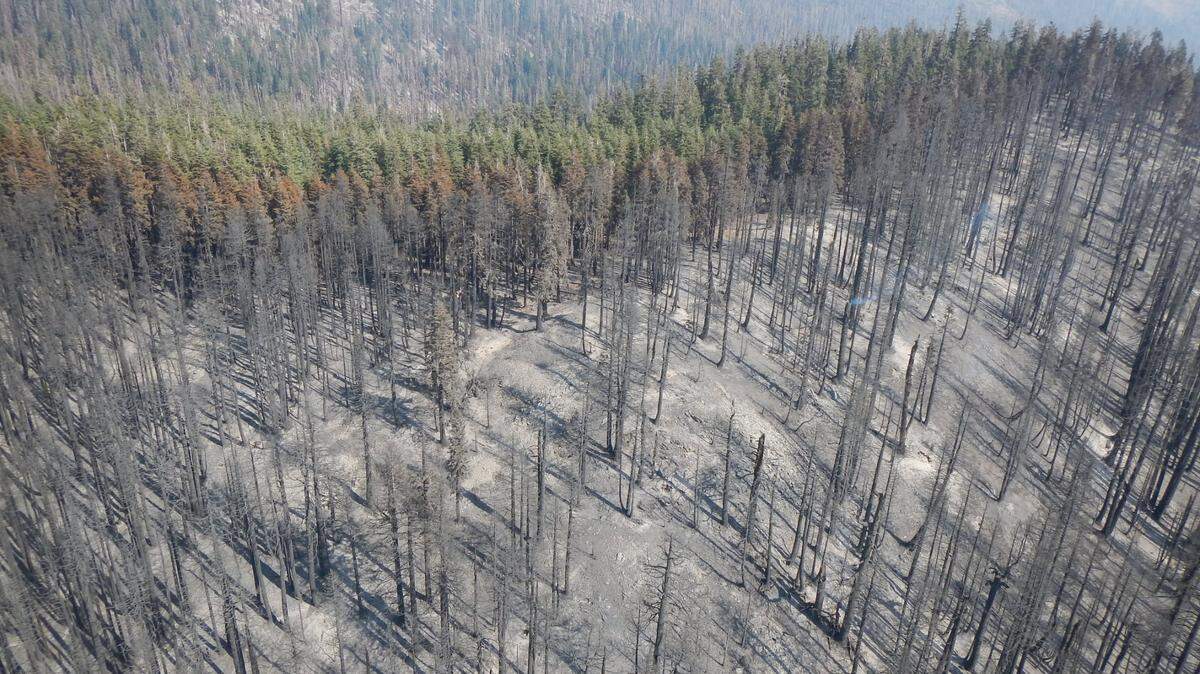
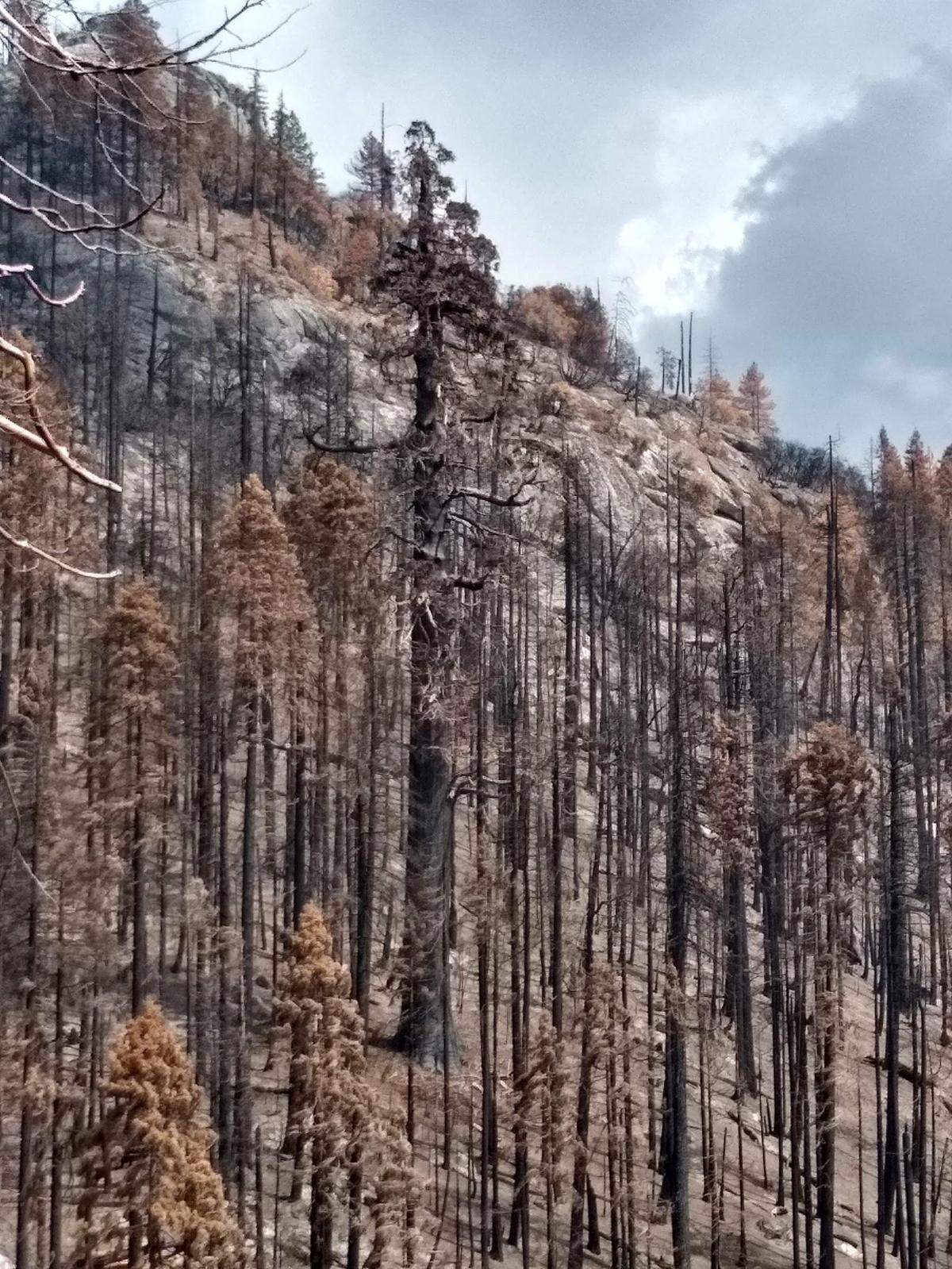
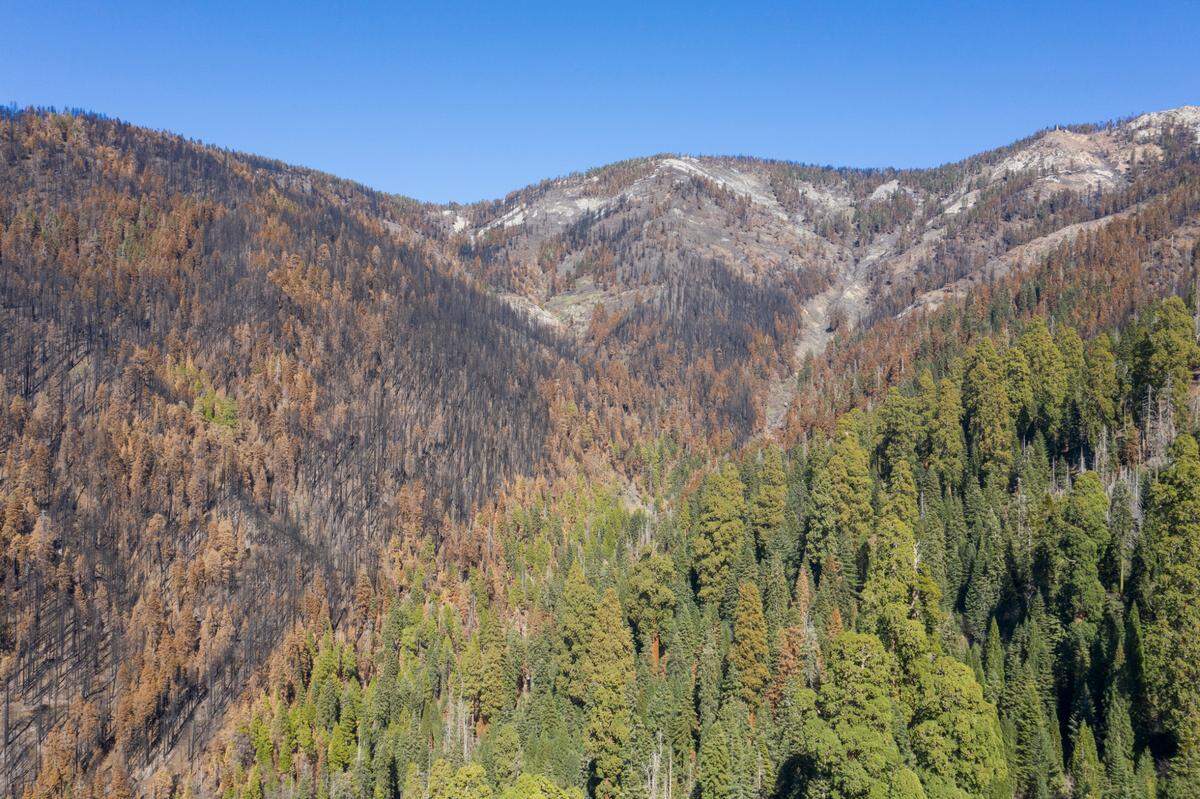
Between 7,500 and 10,600 mature giant sequoias over 4 feet in diameter were likely killed last year by a California wildfire, new research shows.
That’s the largest number of giant sequoias killed by a single fire in recorded history, and an estimated 10% to 14% of the world’s population of giant sequoias that size. The huge, ancient California trees only grow in a small range stretching from the Southern Sierra to around Lake Tahoe.
“Devastating” is a word frequently used by scientists now studying the destruction. The large giant sequoias won’t be back in a generation, or many generations.
“There are so few of them, and it takes 2,000 years to make a new one,” said Christy Brigham, Sequoia and Kings Canyon National Parks’ chief of resources management and science.
The giant sequoias perished in the 2020 Castle Fire that burnt parts of Giant Sequoia National Monument, Sequoia National Park, Sequoia and Inyo national forests, along with state, county, private, and Bureau of Land Management lands. The lightning-caused fire was discovered Aug. 19 and later combined with a smaller fire nearby that was also lightning-caused, the 841-acre Shotgun Fire, and renamed the SQF Complex. The complex charred 174,178 acres in all and is still smoldering in some places, officials said.
Brigham said she cried the first time she saw aerial photos showing large swaths of giant sequoias killed by the Castle Fire.
Scientists expected the giant trees, often referred to as monarchs, to fare better. Giant sequoias are among the most well-adapted to wildfire, and even need fire to open their cones to release seeds within.
Brigham has been studying what happened to giant sequoias in the Castle Fire and compiling research from colleagues at the Park Service, U.S. Forest Service, U.S. Geological Survey, Save the Redwoods League, and California universities.
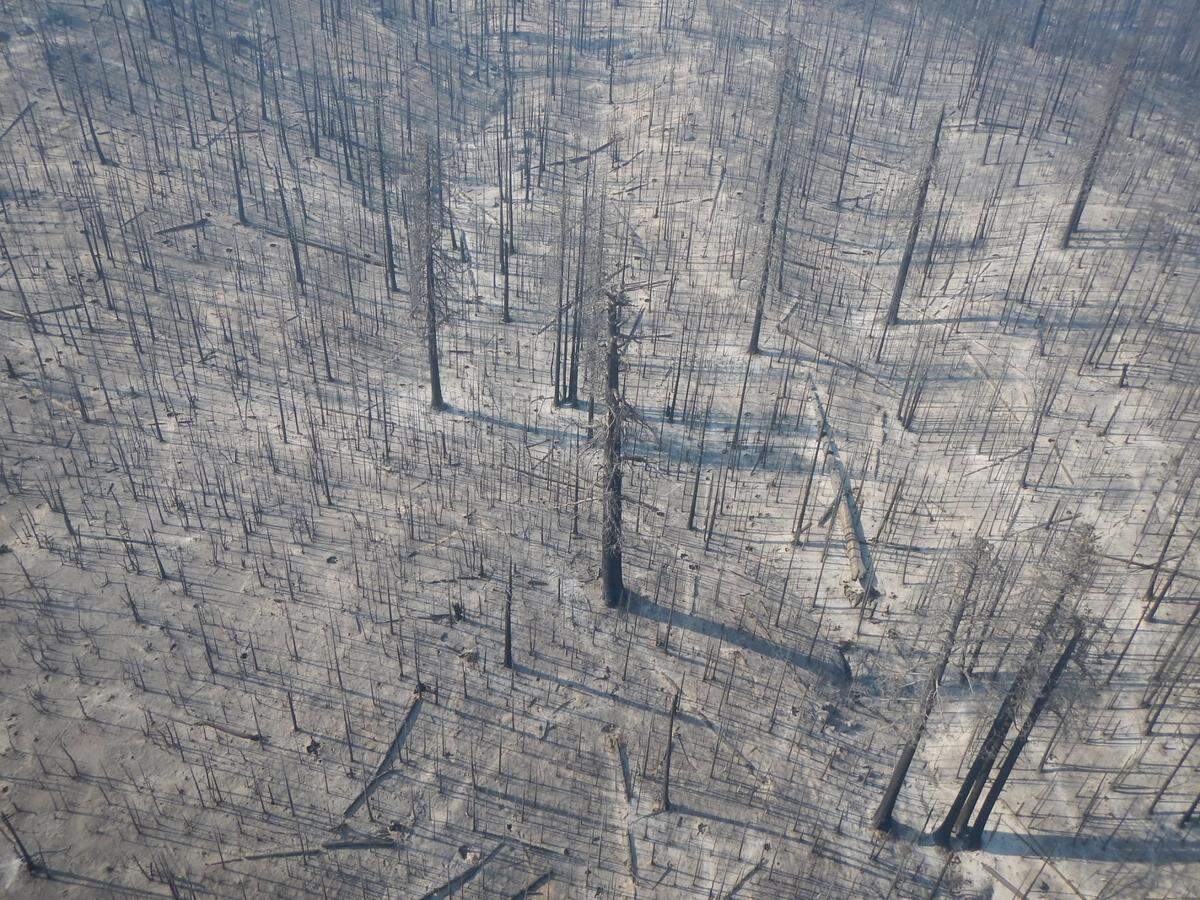
Draft report summary of giant sequoias killed by Castle Fire
Nate Stephenson, a forest ecologist and scientist emeritus with the U.S. Geological Survey, said the ages of the recently-killed sequoias are estimated to range from less than 100 years old to a few thousand years old.
“An initial estimate would be that a few thousand sequoias more than 1,000 years old may have died,” Stephenson said.
Brigham said the 7,500 to 10,600 estimate of large giant sequoias killed in the Castle Fire largely comes from satellite imagery analysis known as RAVG, Rapid Assessment of Vegetation Condition after Wildfire.
RAVG is a widely-used tool, she said, but cautioned that estimates are preliminary and need to be assessed with field surveys and a peer review. Researchers have entered some fire-stricken groves, but the bulk of the fieldwork is starting now. Regardless, the unprecedented nature of the destruction is already clear.
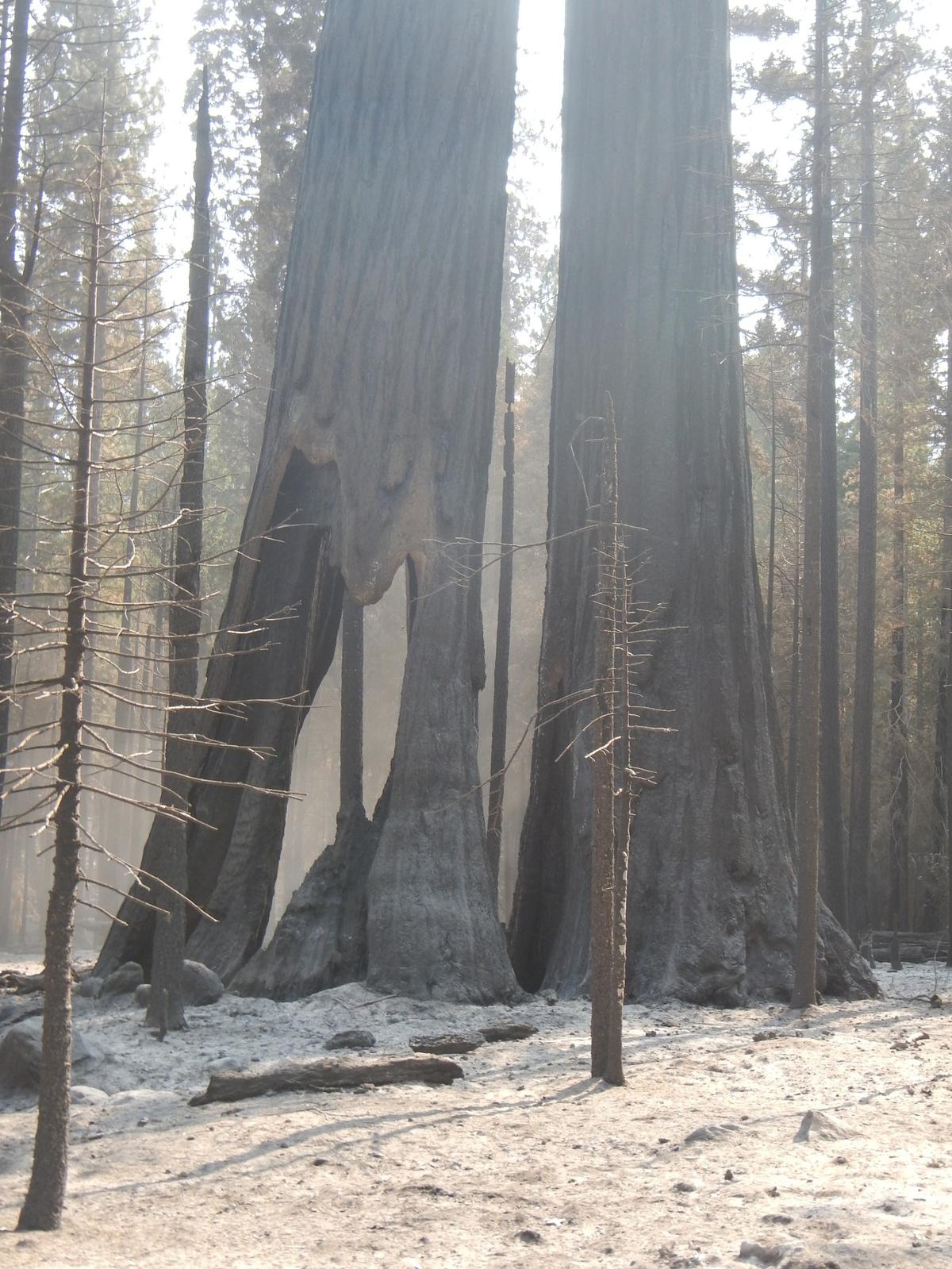
Researchers spoke with media this week about some of their sequoia mortality findings, and shared a short summary of a draft report on Thursday. The full report might not be released for a couple weeks, pending a review, said Sintia Kawasaki-Yee, spokesperson for Sequoia and Kings Canyon National Parks.
The new research shows the Castle Fire burned about 10% of all Sierra sequoia groves at high severity. Past wildfire research shows most large sequoias die in high-severity fire, and sometimes die in moderate- and low-severity fire. The combined data led officials to estimate somewhere between 10% and 14% of all giant sequoias perished in the Castle Fire.
Within just the Castle Fire burn scar, an estimated 31% to 42% of all large giant sequoias were killed.
“It’s one thing if you have an isolated hot patch, even in prescribed burns, but to lose this many in a couple months – it’s upsetting,” Forest Service ecologist Amarina Wuenschel said.
Wuenschel is hopeful her research about giant sequoia mortality will generate more “momentum” to help protect what’s left.
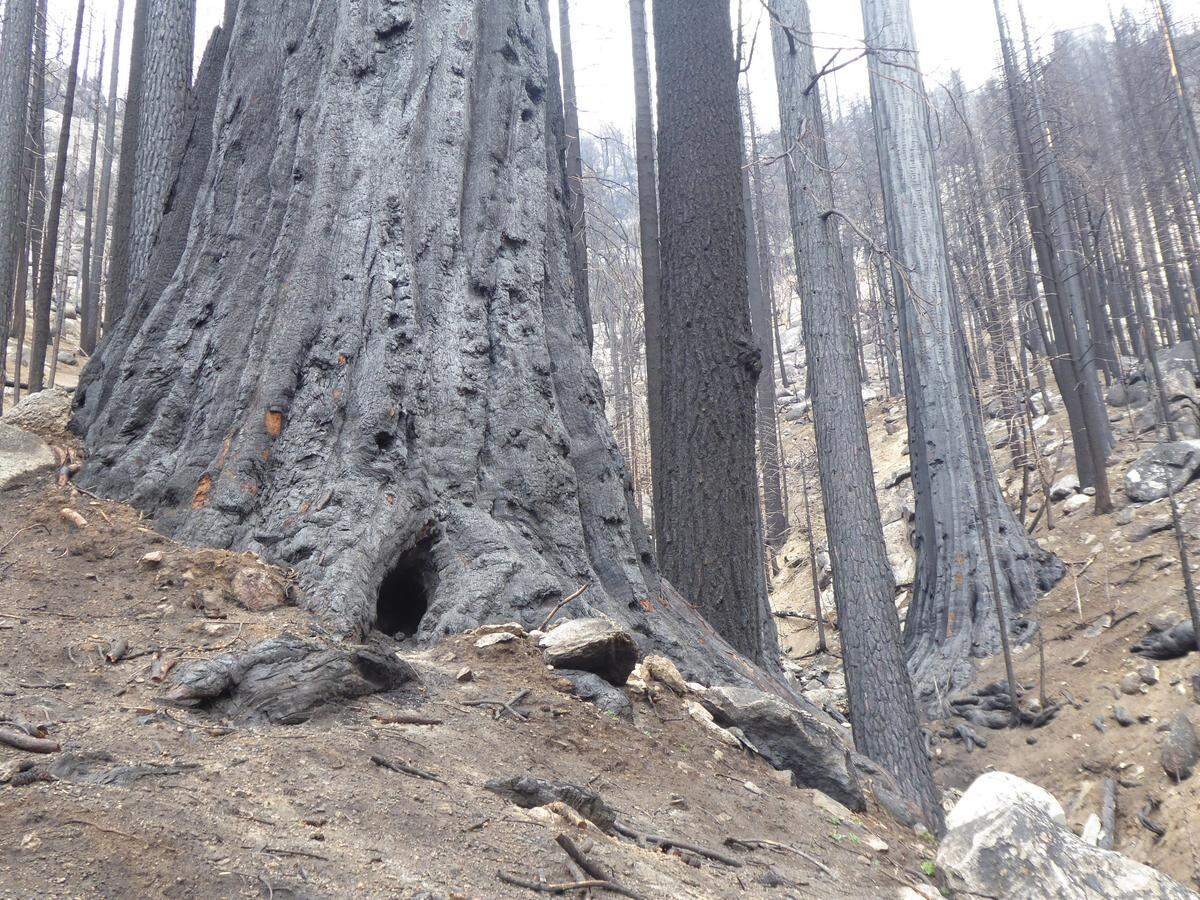
Which groves burned? What does Sierra’s future look like?
Ten of the 33 giant sequoia groves in Giant Sequoia National Monument burned in the Castle Fire, about 13,600 acres. Over 69,000 monument acres in all burned in that fire – more than a fifth of the monument.
Another 62,075 acres burned in adjacent Sequoia National Forest, about 6% of that forest.
Sequoia National Park had fewer acres burned, around 19,000, in the Castle Fire.
The Forest Service manages the monument. A Forest Service document from this spring details recent fire history in the monument’s giant sequoia groves.
At least seven of the 10 monument groves that burned in the Castle Fire experienced some high-severity fire. An estimated 6,240 grove acres burned severely. Most of that severe fire was in three groves: Freeman Creek, Belknap Complex (shared with a private landowner), and Mountain Home (mostly shared stewardship with the state).
The other seven monument groves that burned in the Castle Fire: Alder Creek (shared stewardship with Save the Redwoods League), Burro Creek, Dillonwood (shared management with the Park Service), Middle Tule, Silver Creek, Upper Tule and Wishon.
Park Service groves that experienced sequoia mortality and severe fire include Board Camp and Homer’s Nose, which don’t have trails to them, Brigham said.
The oldest known giant sequoia is over 3,200 years old and in the monument’s Converse Basin Grove, which didn’t burn in the Castle Fire.
Save the Redwoods League purchased 530 acres of the Alder Creek Grove from a private landowner at the end of 2019 with the intent of restoring the property and transferring it to Giant Sequoia National Monument. All of that recently-purchased property burned in the Castle Fire, said Paul Ringgold, Save the Redwood League’s chief program officer.
The league documented around 100 giant sequoias larger than 6 feet in diameter in their property that were killed by the Castle Fire, Ringgold said. The group is now working to secure additional funding to help restore it and do more vegetation management. They’ve already replanted some giant sequoia saplings there.
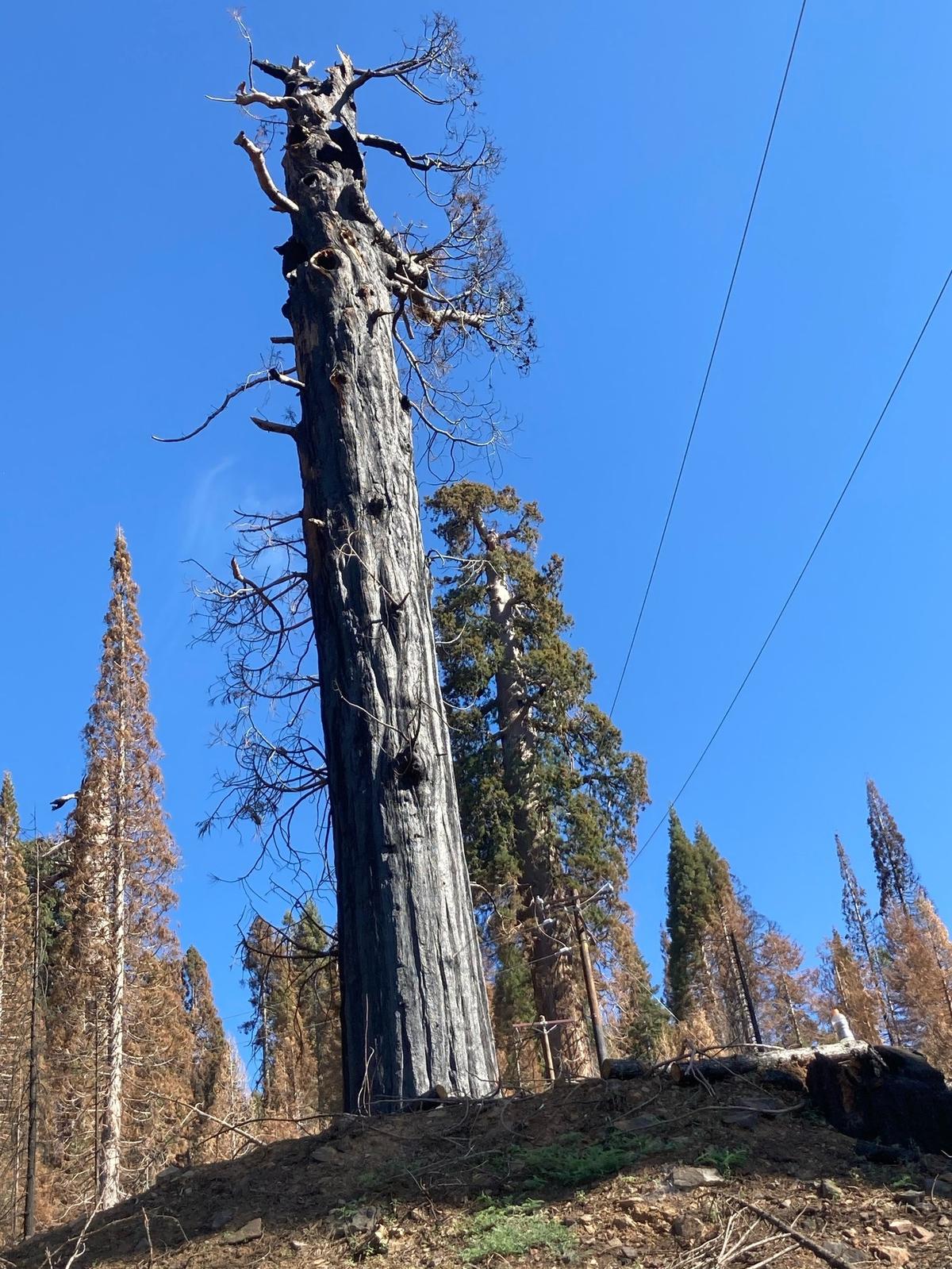
A Forest Service report states that since 2008, 81% of giant sequoia groves in the monument and national forest have burned – more than a third of those acres severely – and that more than 200 acres have reburned.
Reburning is especially concerning when severe fire follows another severe fire. That’s happened in the Sierra in recent years, including some northern portions of the 2018 Ferguson Fire that burned in and around Yosemite National Park.
Curtis Kvamme, a Forest Service soil scientist, said that reburning has altered portions of Stanislaus National Forest, transforming some conifer forests into swaths of mostly shrubs and oaks.
Kvamme served as the lead soil scientist for a team studying the Castle Fire. Thirty to 40 soil samples were taken in that burn scar for a rapid assessment of conditions.
Some good news: The sampled soil doesn’t appear to be as severely burned as the forest above it. Kvamme said less than 10% of soil in the Castle Fire burn scar is estimated to be severely burned, which is “actually a little bit on the low end in fires.”
He said the vegetation that grows back – and the subsequent cycle of seed regeneration – usually has a bigger effect on what changes a landscape, not so much the soil quality. Researchers have seen some giant sequoia cones open and scatter seeds after the Castle Fire, but also many cones incinerated by the blaze.
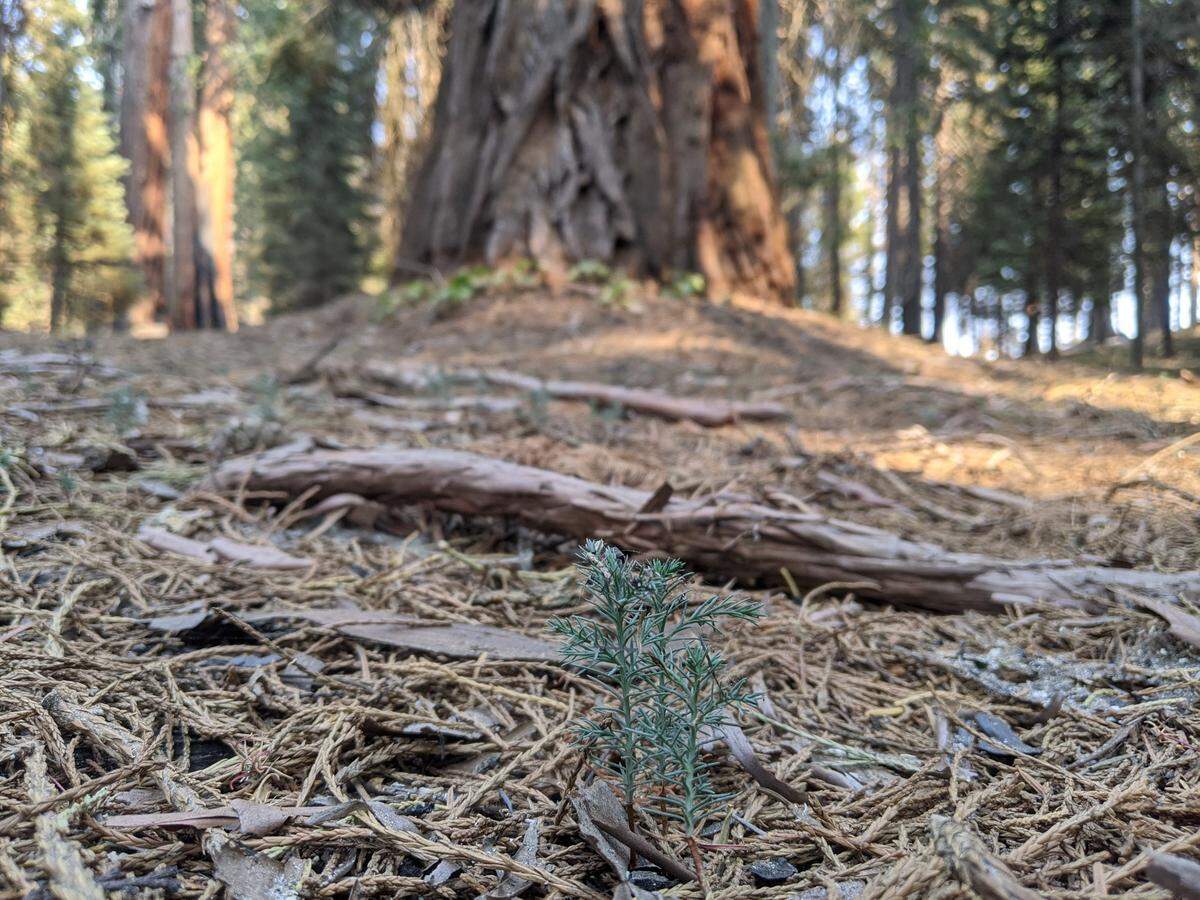
Kvamme said as a soil scientist, he’s used to looking at things in an evolutionary way, gazing thousands of years ahead and behind.
“In the meantime, it’s hard to imagine the next 20 to 100 years,” Kvamme said of California’s Sierra Nevada. “So much is going to change in that time frame. I can’t picture it.”
Why are California wildfires getting worse? What’s being done?
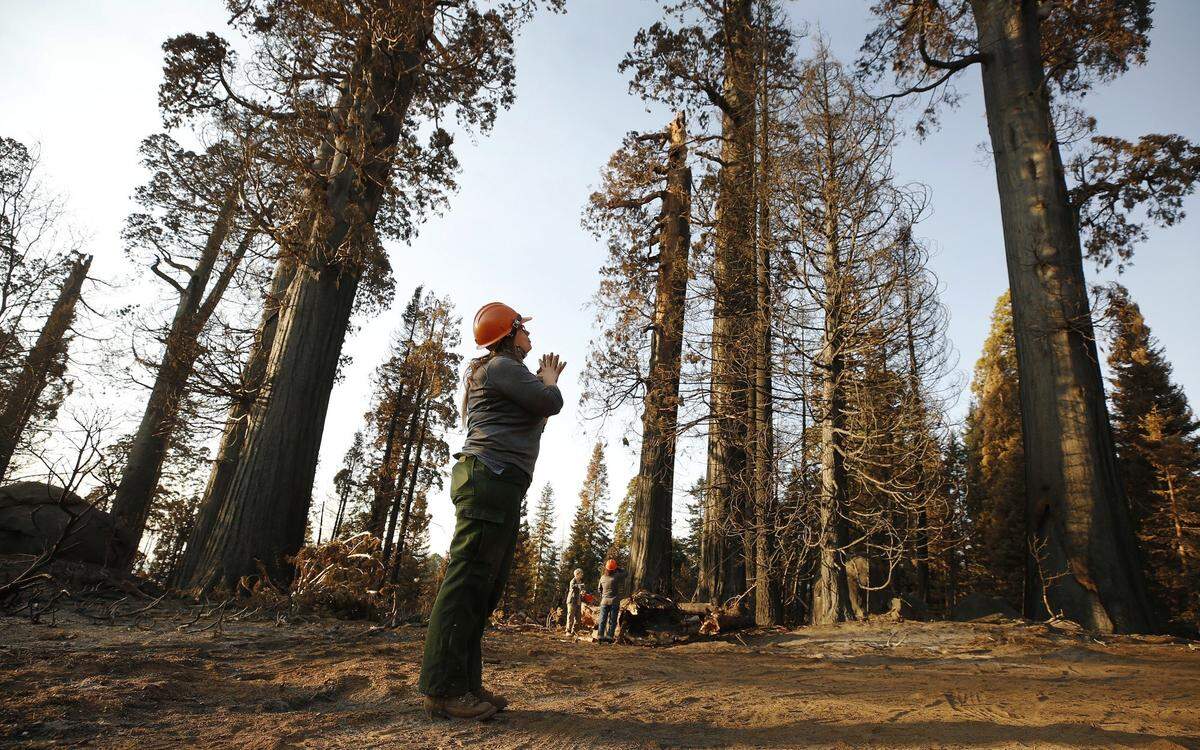
The task before land managers in the aftermath of the Castle Fire is “overwhelming,” said Gretchen Fitzgerald, an ecosystem staff officer for Sequoia National Forest, which also manages the monument.
“You feel helpless,” Fitzgerald said.
Fitzgerald said there’s been “pretty minimal work” in terms of vegetation management in Giant Sequoia National Monument since it was created in 2000.
A Forest Service district ranger in the 1980s did clear cuts around the monarchs there in the 1980s, she said, what led to litigation and the eventual creation of the monument. Fitzgerald said those past actions have impacted how much vegetation management officials have been able to do in recent years, and that needs to change.
“Before this Castle Fire was the Black Mountain fire (2017 Pier Fire that burned Black Mountain Grove), and that killed 59 giant sequoias,” she said, “and now suddenly with the Castle Fire, we’re looking at thousands of dead giant sequoias. ... We’ve recently begun to understand we need to do more management in these groves.”
A lawsuit filed against the Forest Service and U.S. Fish and Wildlife Service earlier this spring challenges some Sierra management, stating science shows logging and some vegetation management practices are actually contributing to catastrophic wildfires.
Scientists contacted for this story said many factors fueled the Castle Fire and other major California wildfires of 2020 that furthered a concerning trend of blazes burning larger, hotter and faster than ever before. Among the reasons, they said: Old management practices of extinguishing all wildfires that contributed to overgrown forests, widespread tree mortality, and dry conditions and vegetation created by climate change and drought.
Some giant sequoias within the Castle Fire burn scar are still smoldering, what officials said wouldn’t be the case if California had experienced a wetter, more normal winter. All of these things point to a concerning wildfire season ahead.
Fitzgerald was aware of some past vegetation treatments in Giant Sequoia National Monument, along The Trail of a Hundred Giants and around Hume Lake. She said resources are now focused on Castle Fire recovery efforts, but doing prescribed burning in the monument’s Big Stump Grove, hopefully this fall, is the agency’s next priority for vegetation treatments in that forest.
“We’d like to be doing more,” Fitzgerald said. “We’re trying to see what we can do to increase the pace and scale of restoration work across the forest.”
She said the Park Service and state have done more prescribed burning in the past, but that it’s been harder to do in the monument’s groves because many are overgrown. Work in giant sequoia groves also needs to be done with “a lot of care,” Fitzgerald said, since giant sequoia roots are fairly close to the surface.
There’s been increased government support for this type of work. California Gov. Gavin Newsom this year promised half a billion dollars in aid to improve the state’s response to wildfires, and released a wildfire and forest resilience action plan for California.
The federally-managed 328,315-acre Giant Sequoia National Monument operates under a management plan from 2012. It’s not part of forest plan revisions underway to update old management plans for Sequoia National Forest (signed in 1988) and Sierra National Forest (signed in 1991).
The Castle Fire has given land managers a new urgency to update those plans – along with the 2020 Creek Fire that burned nearly 380,000 acres in Sierra National Forest to the north, becoming the single-largest wildfire in California’s history.
Fitzgerald said people interested in helping the Forest Service can volunteer to monitor giant sequoia groves and collect data about current conditions by emailing gretchen.fitzgerald2@usda.gov. She said another way to help is by contributing to reforestation efforts. Tree plantings in severely-burned areas within Giant Sequoia National Monument and Sequoia National Forest are expected in spring 2023, Fitzgerald said.
Sequoia and Kings Canyon National Parks Superintendent Clay Jordan wrote in a statement Thursday that the Castle Fire is a “call to action.”
“We are engaging fellow Federal, Tribal, State, and local sequoia grove managers to collaborate on actions to ensure that future generations of people will be able to stand under these very same trees,” Jordan said, “and be just as awed by them as we are today.”
This story was originally published June 6, 2021 at 5:00 AM with the headline "Fire killed thousands of mature giant sequoias, Sierra research shows. What’s happening now?."