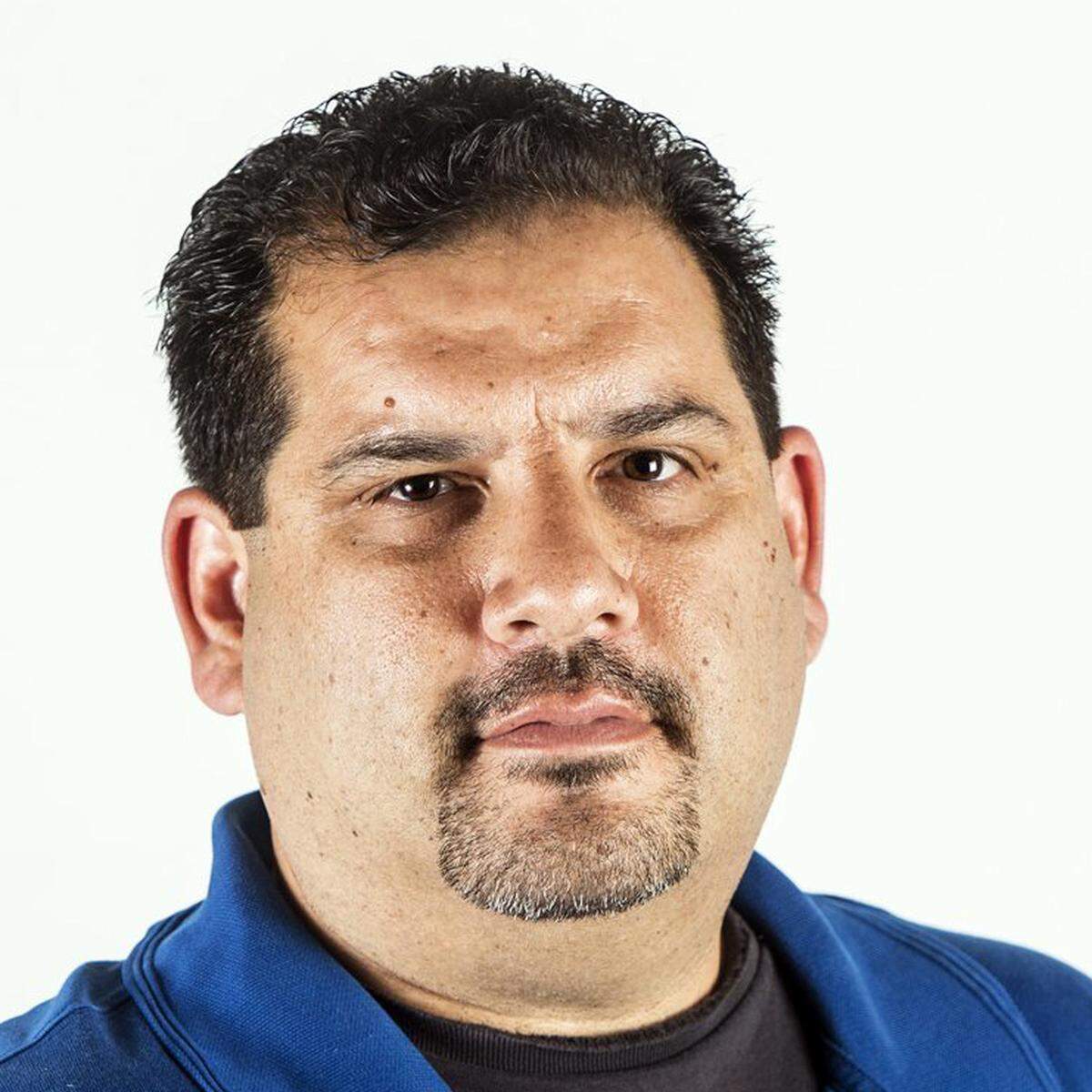
Merced County Sheriff says his office won’t enforce COVID-19 curfew, other restrictions
Merced County Sheriff Vern Warnke on Thursday announced his office will not be enforcing the 10 p.m. curfew announced by Gov. Gavin Newsom’s office in response to the COVID-19 pandemic.
The curfew starts Saturday and affects California counties in the state’s purple tier where coronavirus transmission rates are highest.
State officials are calling the curfew a limited stay-at-home order that will cover only nonessential activities. It will be in place nightly from 10 p.m. to 5 a.m.
Merced reverted back to the purple tier from the less-restrictive red tier Monday, which meant local businesses faced more restrictions.
“Along with the Sacramento County Sheriff’s Office, the Merced County Sheriff’s Office will not be determining compliance or enforcing any health or emergency orders related to curfews, Thanksgiving, or other social gatherings inside or outside the home, maximum occupancy, or mask mandates in Merced County,” the Merced County Sheriff’s Office stated in a social media post on Thursday night.
The social media post also states, “The Merced County Sheriff’s Office will not dispatch deputies for these purposes, and callers will be directed to County Health Officials.”
The sheriffs of Fresno, Placer and El Dorado counties also said they would not be enforcing the curfew, among other law enforcement officials.
Under the curfew rules, restaurants will have to close up their outdoor dining by 10 p.m., but restaurants open late for takeout or drive-thru will be allowed to remain open overnight. Grocery stores will be allowed to stay open but most have been closing by 10 p.m. since the beginning of the pandemic.
State Health and Human Services Secretary Dr. Mark Ghaly said the stay-at-home order in the spring showed that reducing the movement of Californians dramatically decreases COVID-19 spread, hospitalizations and deaths.
“We may need to take more stringent actions if we are unable to flatten the curve quickly,” Ghaly said. “Taking these hard, temporary actions now could help prevent future shutdowns.”
In a live-streamed announcement, state officials said activities in public done after 10 p.m. are often non-essential and more likely the result of social gatherings. The events have a higher likelihood of leading to reduced inhibition and compliance with safety measures, such as wearing a face covering and maintaining safe distancing from others.
Prior disagreement with state policy
It’s not the first time Warnke has disagreed with COVID-19 restrictions handed down by Newsom.
Warnke shared a letter he wrote to the state in which he was highly critical of Newsom’s “shelter-in-place” orders back in May. Warnke had previously said the Merced County Sheriff’s Office would not be enforcing the “shelter-in-place” orders.
“The citizens themselves can make informed decisions on how to proceed and protect their lives and livelihood and not the Governor of a state,” Warnke wrote. “Remember that the people elected a governor, not an emperor.”
The curfew will affect 94% of Californians. The curfew will not prevent people from performing essential tasks like walking their dogs, picking up prescriptions from a pharmacy or picking up food from restaurants.
The curfew will be in effect for a month from Nov. 21 until Dec. 21.
“We are sounding the alarm,” Newsom said in a statement. “It is crucial that we act to decrease transmission and slow hospitalizations before the death count surges. We’ve done it before and we must do it again.”
This story was originally published November 19, 2020 at 8:10 PM.