A test for all human coronaviruses? Researchers say they have a blueprint for one
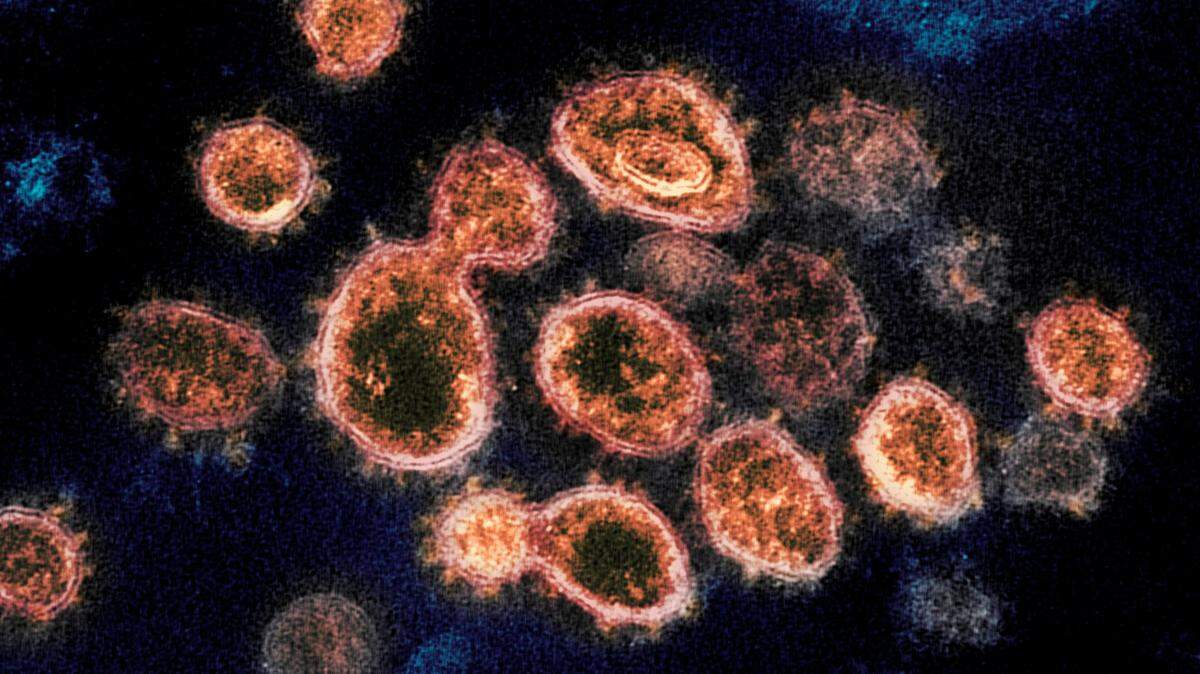
Researchers have developed the foundation for a future test that would be able to detect current infection with any of the known human coronaviruses, including SARS-CoV-2 and its new variants, as well as past infection via the presence of antibodies.
It consists of a small rectangular glass chip painted with 3 million proteins the scientists call “immune markers” that belong to every existing pathogen in the coronavirus family, including severe acute respiratory syndrome (SARS) and those that cause the common cold. Twenty-nine of them are specific to the coronavirus behind the ongoing pandemic.
The team from Columbia University Mailman School of Public Health in New York and SunYat-Sen University in China say their “genetic fingerprints” have an overall 98% specificity and sensitivity, meaning it’s highly accurate, and could provide the blueprint for diagnostic and surveillance tests, a news release reads.
What’s more, this template can tell the difference between immune responses coming from current infection versus those from vaccination with a COVID-19 shot. A study was published Feb. 12 in the journal Communications Biology.
“This work will allow us and others to build inexpensive, easy to use blood tests that can provide data for exposure as well as immunity,” study author Dr. Nischay Mishra, an assistant professor of epidemiology at the Columbia Mailman School, said in the release.
The researchers developed their glass chip by first analyzing blood samples from people with asymptomatic, mild and severe COVID-19 and compared them to samples from healthy individuals and those who have been exposed to other coronaviruses in past years.
They learned that immune markers specific to the virus that causes COVID-19 were detectable beginning eight days after symptoms begin to as long as seven months after infection, according to the news release.
Although larger studies are required to determine if these glass chips prove useful for diagnosing any and all coronavirus infections, the study showed it’s highly specific — a good sign given current antibody tests tend to get confused with other seasonal coronaviruses, such as those that cause the common cold.
Scientists call this phenomenon “cross reactivity;” it means some people may receive false positive results with existing antibody tests.
While an exam that can detect all coronaviruses could significantly boost testing capacity and infection control, current PCR diagnostic tests for SARS-CoV-2 alone are similarly accurate.
The accuracy of diagnostic PCR tests used to catch coronavirus infections today depends on more than just the test itself. Proper sample collection, timing of tests during the course of illness, and sample storage can all affect whether a test produces an accurate result, experts with Harvard Medical School say.
This story was originally published February 17, 2021 at 11:08 AM with the headline "A test for all human coronaviruses? Researchers say they have a blueprint for one."