
Irene De La Cruz: Pride wrapped in cap and gown
Graduation ceremonies abound this month as the academic school year comes to an end for many students in the traditional school year.
In our immediate family, our eldest grandson graduated from high school this year. Needless to say, we are extremely proud of his accomplishment and success, not just in getting through the academic part, but also for surviving the tough adolescent years in high school where things can go awry at any time. He is the first of our seven grandchildren to graduate high school and he is the first grandchild to be accepted to the University of Hawaii.
As we anxiously opened the bag that contained his cap and gown, he asked an interesting question. “What does the cap mean or where does it come from?” My immediate thought was “Wow, I’ve never really thought about that.”
As I pondered his question, several terms such as “stature,” “position,” “accomplishment” and “achievement” came to mind.
The cap originated from another form of a hat shaped differently from those of today but it still symbolizes scholarly individuals or a high level of intelligence. Wearing the cap started with the clergy and later was worn by all those considered to be learned, such as artists, philosophers or students.
The gown originally was worn of necessity due to the cold buildings of the first universities in centuries past. Over time, the style of the graduation gown and the need to wear it changed to include covering and limiting outlandish dressing styles by those graduating.
Can you imagine the feelings and emotions an individual experiences knowing he or she is the first in their family to graduate from a high school and then from a college or university? It has to be a proud feeling for parents of such a student. This unique moment in time certainly is part of the American dream in our country.
This population of first-generation graduates has increased throughout the years. Some examples and role models within our communities and the Central Valley include Dr. Joseph Castro, president of California State University, Fresno; Dr. Dorothy Leland, chancellor of the UC Merced; Dr. Juan Meza, dean of natural sciences at UC Merced; Dr. Mario Cordova of Merced College, Dr. Robin DeLugan, professor at UC Merced; Dr. Ben Duran, former president of Merced College; Dr. Richard Gomez, lecturer at UC Merced; Dr. Ron Taylor, president of Merced College; Dr. Steve Gomes, superintendent of Merced County Office of Education.There are others not be mentioned here but who have played a major role in paving the way for others to succeed. Some of the individuals listed above are also in the category of first-generation graduates.
The traditional cap and gown represents opportunity and freedom for people who have immigrated to this great nation of ours. But for some it is the defining factor for success in the future for themselves, their families, and for generations to come. This is what makes America a great place to live and, of course, to learn.
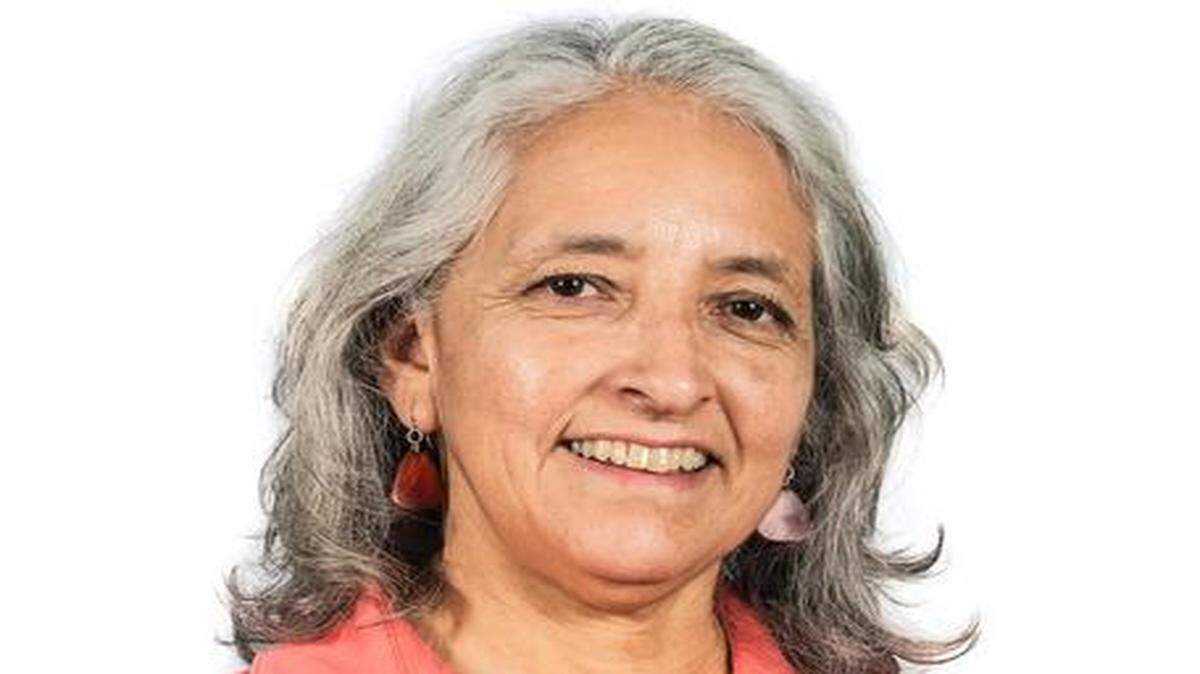
Irene De La Cruz is a resident of Planada and has been involved with a number of community events and projects throughout Merced County. She owns her own business. She attended Merced College and California State University, Sacramento. She can be contacted at dlcirenel@gmail.com.
This story was originally published June 4, 2015 at 8:16 PM with the headline "Irene De La Cruz: Pride wrapped in cap and gown."