
California lawmakers to consider apology for World War II internment of Japanese Americans
A Southern California lawmaker wants the Legislature to apologize for the role it played in carrying out policies that discriminated against Japanese Americans before and during World War II.
The bill by Assemblyman Al Muratsuchi, D-Torrance, catalogs a history of California state officials working to identify and remove Japanese Americans from their communities, from forbidding Japanese citizens from owning property to dismissing public employees of Japanese descent from their jobs.
The resolution, scheduled for a vote in the Assembly on Feb. 20, is the latest effort from California lawmakers to acknowledge the internment of Japanese citizens during World War II. Those measures go back as far as 1982, when the Legislature passed a law providing compensation to state employees who lost their jobs because of internment.
More recently, former Gov. Jerry Brown in 2017 signed another law by Muratsuchi that provided funding for grants to expand the scope of education about internment to connect “the exclusion, forced removal, and internment of citizens and permanent residents of Japanese ancestry with current civil liberties challenges.”
Muratsuchi says the new resolution is important, too.
As the representative of the South Bay of Los Angeles county, which has the largest population of Japanese Americans in mainland United States, Muratsuchi said he is constantly reminded of the former survivors of the internment camps during World War II, many of whom have passed away.
“What I hear over and over at these commemorations here today is what we see happening at our borders with children and families held in cages, being torn apart,” Muratsuchi said, of why he wanted to focus on the state Legislature’s role in the incarceration of Japanese Americans.
“For many survivors of the Japanese American camps it strikes a deep chord. They see in many ways history repeating itself,” he said, referring to President Donald Trump’s immigration policies.
His resolution seeks an apology from the Assembly for its support of the internment of Japanese Americans during World War II, when over 120,000 civilians living on the West Coast had to abandon their jobs and homes and were sent to camps located in remote regions of the country.
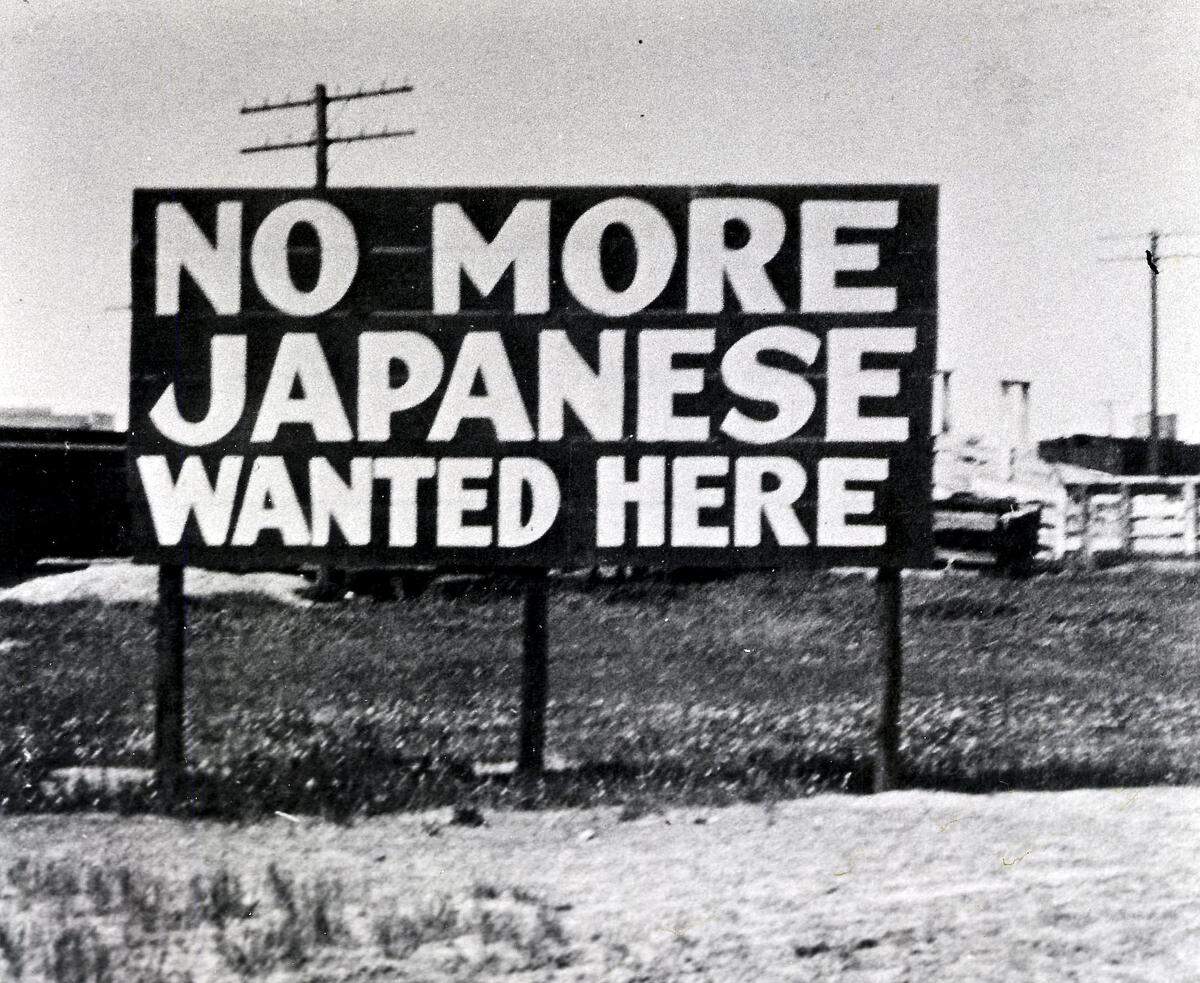
History of Japanese internment in Merced County
The resolution would have particular significance to Merced County, as the fairgrounds was the site of one of the 21 assembly centers where Japanese-Americans were unjustly sent soon after the attack on Pearl Harbor.
The center in Merced housed 4,669 people. The internees arrived in Merced in May 1942, staying at the assembly center for three months before being sent to one of the 10 internment camps, in Amache, Colo., where most of them stayed until the end of the war.
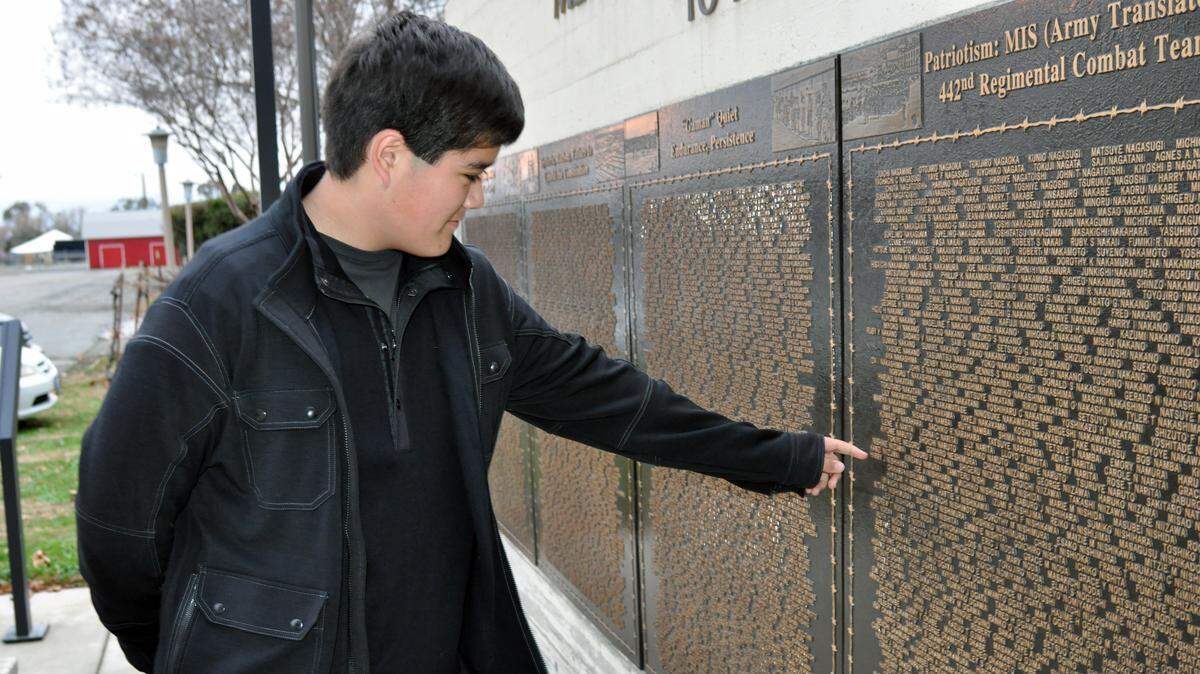
Ten years ago, a memorial was established at the fairgrounds to serve as a testament to those who were interned. On Saturday, the Japanese American Citizens League of Livingston-Merced also held its annual Day of Remembrance Banquet, in remembrance of internment.
The Legislature helped discriminate against Japanese citizens, Muratsuchi’s resolution says, by coordinating with U.S. military officers, passing a law that allowed state government to dismiss public employees who were considered disloyal to the country and passing a law that urged Congress to let Americans use property seized from Japanese citizens.
“The Assembly apologizes to all Americans of Japanese ancestry for its past actions in support of the unjust exclusion, removal, and incarceration of Japanese Americans during World War II, and for its failure to support and defend the civil rights and civil liberties of Japanese Americans during this period ,” the resolution reads.
Joshua Kaizuka, co-president of the Florin Chapter of the Japanese American Citizens League, said an apology would be welcome.
“In general, people in this country still don’t understand how the fear-mongering, failure of politicians and racist rhetoric can result in American citizens being incarcerated,” he said.
He said it’s significant as a contrast to the Trump administration’s tough immigration policy, which has sought to deter migration by eliminating protections for young immigrants who were brought to the U.S. by their parents, by limiting visas for travelers from certain nations and by adopting a policy that allowed officers to separate children detained at the Mexico border from their parents.
“Just like the trauma that is still being experienced by our survivors, their ancestors and our community today,” Kaizuka said.
Muratsuchi said he is optimistic that the resolution will pass with strong bipartisan support, given the co-authorship by Assembly Republican leader Marie Waldron as well as State Assembly Speaker Anthony Rendon. It passed the Assembly Judiciary Committee earlier this month on a unanimous, 10-0 vote.
“Everyone united in support of this (bill) regardless of their political affiliation, which shows the importance of it,” Kaizuka said.
This story was originally published February 17, 2020 at 9:50 AM.