Merced County declares emergency, as cattle carcasses pile up from rendering plant issue
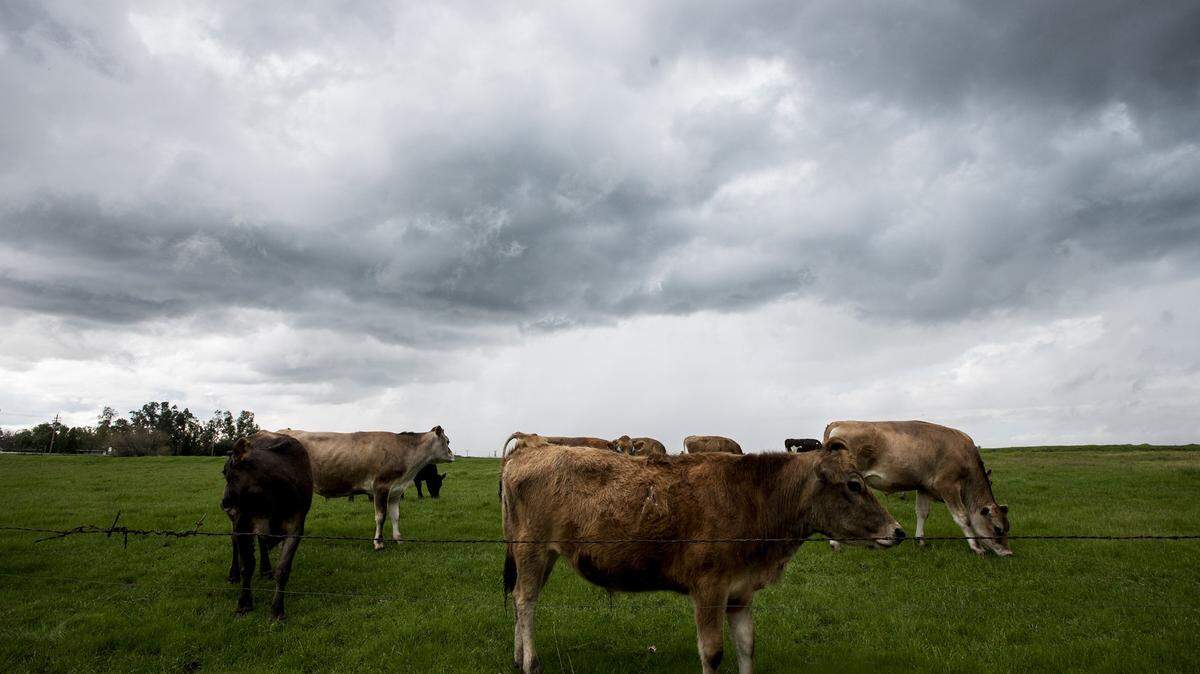
A local emergency was declared in Merced County after two separate livestock rendering plants serving the area suffered equipment problems within a week of each other, causing animal carcasses to pile up.
“There’s so few rendering facilities in the state that when one goes down . . . it really causes a problem,” said Merced County Agricultural Commissioner David Robinson.
The emergency was unanimously ratified and extended through March 31 during a special Merced County Board of Supervisors meeting Wednesday morning.
The local emergency was first declared Friday when rendering facility Darling Ingredients, Inc. in Stanislaus County reported mechanical failures.
The facility recycles deceased livestock into raw material for products like fertilizer, livestock feed and much more, said Vice President of Global Communications and Sustainability Melissa Gaither.
Facility representatives and the California Department of Food and Agriculture contacted Merced County officials Friday, reporting that equipment used to render livestock mortality into these products had failed.
The county’s local emergency coordinates with CDFA quarantine measures.
One week earlier on Feb. 21, rendering plant Baker Commodities also notified Fresno County of equipment issues. A leaky boiler caused the plant to work inefficiently and led to an animal carcass backlog.
Fresno County also declared a local emergency. Officials said the Fresno plant would close for about a week during repairs.
Two area rendering facilities suffering malfunctions created a dilemma for Merced County livestock owners who depend upon such plants to dispose of deceased animals.
While equipment issues at both plants impacted Merced County, it was the Darling Ingredients plant malfunction that triggered the local emergency, Robinson said.
He estimated the Darling Ingredients plant serves livestock owners from San Joaquin County in the north, to far south as Madera County.
The facility was back up and running by Monday morning, Gaither said. But a backlog of animal carcasses persists.
The local emergency allows county landfills to temporarily receive dead livestock.
“I’m thankful staff acted in such a quick manner,” District 5 Supervisor Scott Silveira said. He noted that the situation shows how fragile the system is for dairymen who are legally unable to bury or burn deceased livestock.
Silveira and District 3 Supervisor Daron McDaniel both suggested the board take future action working toward a streamlined contingency plan, should a similar situation arise again.
Some landfills have a license to receive livestock mortality on a regular basis or when an emergency proclamation is made, Robinson said.
If the accumulated carcasses are not mitigated by the local emergency’s March 31 deadline, it may be extended. However, Robinson said he expects the backlog will be cleared within a few weeks.
This story was originally published March 4, 2020 at 3:01 PM with the headline "Merced County declares emergency, as cattle carcasses pile up from rendering plant issue."