
‘Yellow fever’ mosquito found in Le Grand in Merced County
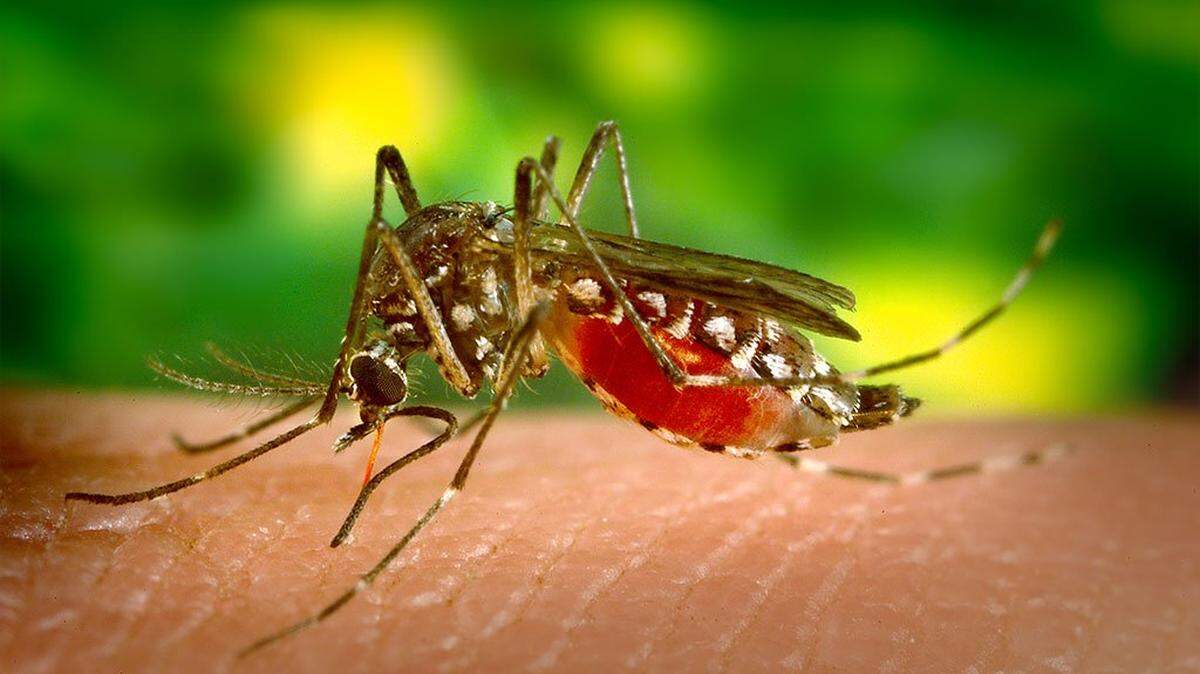
A mosquito capable of transmitting several human diseases — including dengue, chikungunya, yellow fever, and Zika — was found this week in Le Grand, according to the Merced County Mosquito Abatement District .
The district said the invasive Aedes aegypti mosquito has now been found in three areas of Merced County since 2017, according to a news release.
The district is evaluating the extent of the infestation and will aggressively target problem areas to prevent its spread.
These efforts will include door-to-door inspections of residential properties for standing water where mosquitoes can breed, increased surveillance through trapping, eliminating mosquito breeding sources, larval control, and ultra-low volume adulticiding (fogging) as necessary to target the invasive mosquitoes, according to the release.
“Having Aedes aegypti in our District is very concerning as it is an efficient vector in spreading Zika, dengue, chikungunya, and yellow fever viruses,” said Rhiannon Jones, general manager of Merced County Mosquito Abatement District.
While those viruses are not currently transmitted in California, they are periodically introduced by international travelers. If a large population of those mosquitoes is established in the area, a single travel-associated case of one of these diseases could introduce the virus to local mosquitoes, and Merced County residents could be at risk of becoming infected, the district said.
The news follows West Nile virus being detected in Merced County for the first time this year. Samples taken from a mosquito and dead bird found in the county tested positive for the virus, the Center of Vector-borne Diseases of UC Davis confirmed.
No known human cases of West Nile have been reported in Merced County, but nearby Stanislaus County recently confirmed one infected resident.
Aedes aegypti is a black and white day-biting mosquito that’s about a quarter inch in size. The mosquito prefers to feed on humans, lives in urban habitats, and lays its eggs just above the water surface in small containers such as flower pots, plant saucers, pet bowls, and bird baths.
County officials are asking residents to inspect their property and immediately discard any standing water. Residents can also be proactive by reporting neglected swimming pools to the district. Anonymous calls are accepted.
To report mosquito-breeding problem areas and request service, Merced County residents should contact Merced County Mosquito Abatement District at (209) 722-1527, (800) 622-3242 or www.mcmosquito.org. toes.aspx
Residents should also use repellents containing DEET, Picaridin, IR3535 or oil of lemon eucalyptus. Any standing water around the house should be drained, as mosquitoes like to lay eggs in those areas.