Merced County employment inched back up again in June. Will it last, amid COVID-19 surge?
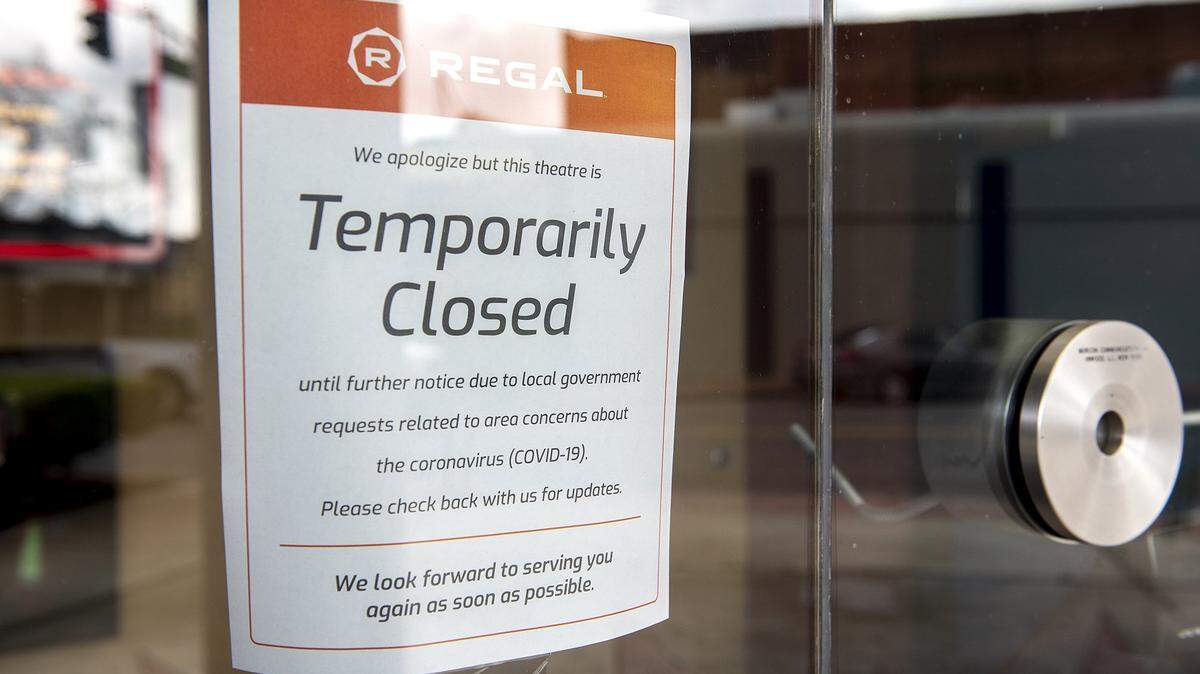
Merced County employment in June rebounded slightly for the second month in a row after pandemic-related job losses rocketed in April, according to a Friday report by the California Employment Development Department.
At 18,100 unemployed, the Merced County’s unemployment rate fell slightly in June to 15.7% from 16.4% the prior month.
Still, that’s nearly double June 2019’s local unemployment rate of 8.1%. The county’s June joblessness level is the ninth highest on record dating back to 1990, said EDD Labor Market Analyst Angel Cordero said.
While California’s unemployment improved to an adjusted 14.9% in June from 16.4% in May, it is still four times as high as last year’s 4%.
The spike in joblessness between March and April was the largest EDD has on record. In Merced County during that period, unemployment shot past Great Recession levels to 18.7%.
Amid the good news for employment, the number and severity of coronavirus cases over the past few weeks have exploded statewide, reverting Merced County back to Stage 2 of Gov. Gavin Newsom’s reopening plan.
“People were thinking we may have the potential to get back to normal,” UC Merced Assistant Professor of Economics Greg Wright said of early June, when daily cases were fewer and businesses reopened. The worsening coronavirus landscape raises questions about how the jobs will look moving into late July and August.
“If this gets really bad, which it looks like it might, it’s going to devastate the economy,” he said.
Gains reported
California has now regained more than a quarter of the 2.6 million nonfarm-related jobs lost during March and April as a direct result of the COVID-19 pandemic, according to the EDD.
Sectors of the economy have since began to reopen, putting more Californians back to work. Industries most affected by shutdowns tended to have the largest job gains in June.
Locally, increased reopenings led to a significant 44% employment gain between June and May for the leisure and hospitality sector, which includes businesses like bars, restaurants and hotels. The 1,500 additional Merced County jobs is the largest month-to-month gain on record for this sector by 900 jobs, according to Cordero.
Only two of the EDD’s 12 defined sectors saw job losses between May and June in Merced County: professional and business services (100 jobs lost) and government (1,000 jobs lost). All others saw job gains or no change.
The professional and business services loss was marginal, while the larger government decline is connected to seasonal loss, said Cordero. State government and state government education accounted for most of the drop, but was not the biggest decrease historically, he said.
What will happen next?
While unemployment among businesses most affected by the pandemic rebounded in June, how Gov. Gavin Newsom’s most recent wave of mandatory shutdowns will impact the economy moving forward raises concerns.
“Formerly, people could still go out in June,” said Wright. “Really, July is going to be a coherent story about what the consequences of this are.”
Statewide, all counties were recently required to close restaurants for indoor dining, plus wineries, theaters, zoos, museums, card rooms, bars and family entertainment centers. Counties like Merced that have been placed on a state watch list for concerning COVID-19 data also had to shutter indoor schools, church worship, shopping malls, gyms and nail salons.
“Looking at July will be interesting,” Wright said, adding that in terms of the economy, “It’s possible July won’t look awful.”
Wright said public fatigue over staying indoors and strict social distancing could be reflected in upcoming leisure and hospitality job numbers. Although coronavirus cases are rising statewide and locally, individuals may patronize modified businesses — like restaurants that are open for outdoor seating — at a greater extent than they did in April when the pandemic began.
This could buoy industries from losing employees at as great of a rate as they did months ago, even if shutdowns persist, Wright said. However, Wright raised concerns about the cost of economic gains over the risk of spreading the virus further.
“People really need to be serious about the mask wearing and social distancing, even if it causes economic pain,” he said. “I think this could be the beginning of something very bad for the economy and for our health.”
Also at play is Newsom’s Friday announcement about a majority of schools beginning the year with remote classes — including Merced County.
The state mandate will directly impact 80% of California’s population, meaning that many families will enter another school year with kids at home all day. This will largely impact parents who are unable to work remotely, Wright noted.
“Studies and research show in these type of circumstances, women are the first to take time off from their jobs to do childcare,” he said.
Individuals who leave work for a prolonged period of time tend not to go back, he said, possibly meaning a semi-permanent decline in the female labor force statewide.
This story was originally published July 17, 2020 at 3:55 PM.