
San Luis Reservoir, O’Neill Forebay are open — but stay out of the water, state says
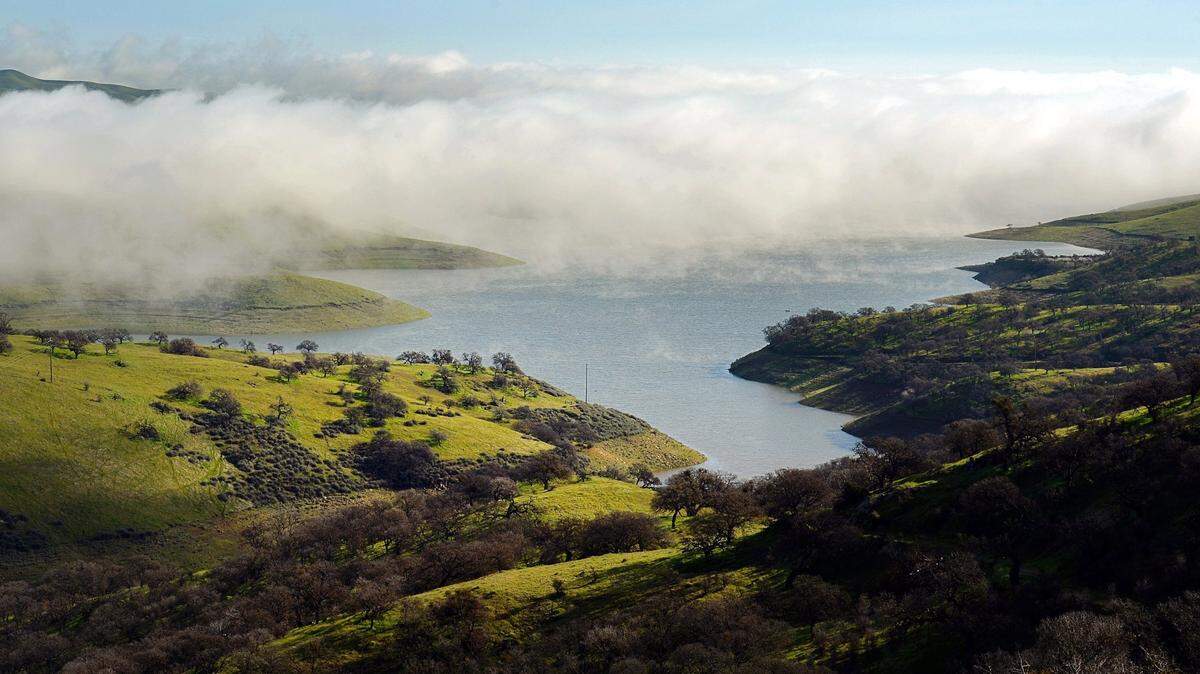
San Luis Reservoir and O’Neill Forebay are open in Merced County, after being shuttered by regional wildfires.
However, state Department of Water Resources officials say that’s not an invitation to go in the water.
DWR on Tuesday issued a harmful algal bloom warning advisory at the O’Neill Forebay, plus a caution is in effect for the San Luis Reservoir.
The culprit is blue-green algae, which can be a health risk to humans, according to a news release.
Boating is allowed, but, swimming and other types of water-contact recreation/sporting activities aren’t considered safe, DWR said.
Exposure to the toxic blue-green algae — also known at cyanobacteria — can result in allergic skin rashes, eye irritation, vomiting, diarrhea, mouth ulcers and cold and flu-like symptoms.
The department also warns that pets can be especially susceptible since they tend to drink while in water and lick their fur afterwards.
Other issues with algae
The department said wind and waves may move or concentrate the bloom into different areas of the reservoir and bloom conditions can rapidly change. Algal blooms can range in color from blue, green, white or brown.
The blooms can accumulate into mats and scum or foam at the surface of the water or along the shoreline.
Guidelines on cyanobacteria and harmful algal blooms, which are set by the state, recommend taking precautions in waters that are impacted by blue-green algae.
These recommendations include taking care that pets and livestock do not consume the water or swim through algal blooms, mats, scum or lick their fur after going in the water. It is recommended to rinse pets in clean water to remove any algae from the fur.
It is also recommended to avoid swimming, wading jet skiing or water skiing in water containing the algae blooms, mats, or scum.
The department also recommends that people do not, under any circumstance, cook or wash dishes with untreated surface water from the areas. Common water purification techniques such as boiling the water, camping filters and tablets do not remove the toxins.
Officials recommend not eating mussels or other bivalves that are collected from the areas. The eating of fish from the areas should also be limited or avoided, according to the release.
If fish from these areas are consumed, the fish’s guts and liver should be removed and the fillets should be rinsed in clean drinking water. The department warns that no fish should be consumed under a danger advisory.
If you think that you or anyone you know, livestock or pet, may have been poisoned by the blue-green algae toxins, the department recommends seeking out immediate medical treatment.
More information can be found on the California Department of Water Resources website.
This story was originally published September 1, 2020 at 5:16 PM.