
Ingram-Thurston: New building in the works for Los Banos’ Milliken Museum
Our history helps to make us what we are today, just as our genetics help to make us the unique person we are.
To help understand our complex selves better, it helps to learn about our family’s heritage. Here in Los Banos many families have fascinating stories to tell.
I have recently joined Ancestry.com as a tool to help me dig for the hidden treasure that may be in my own roots.
Fortunately for Los Banos, we have a treasure chest at our disposal, a place where we can go at our leisure to learn about our city’s history.
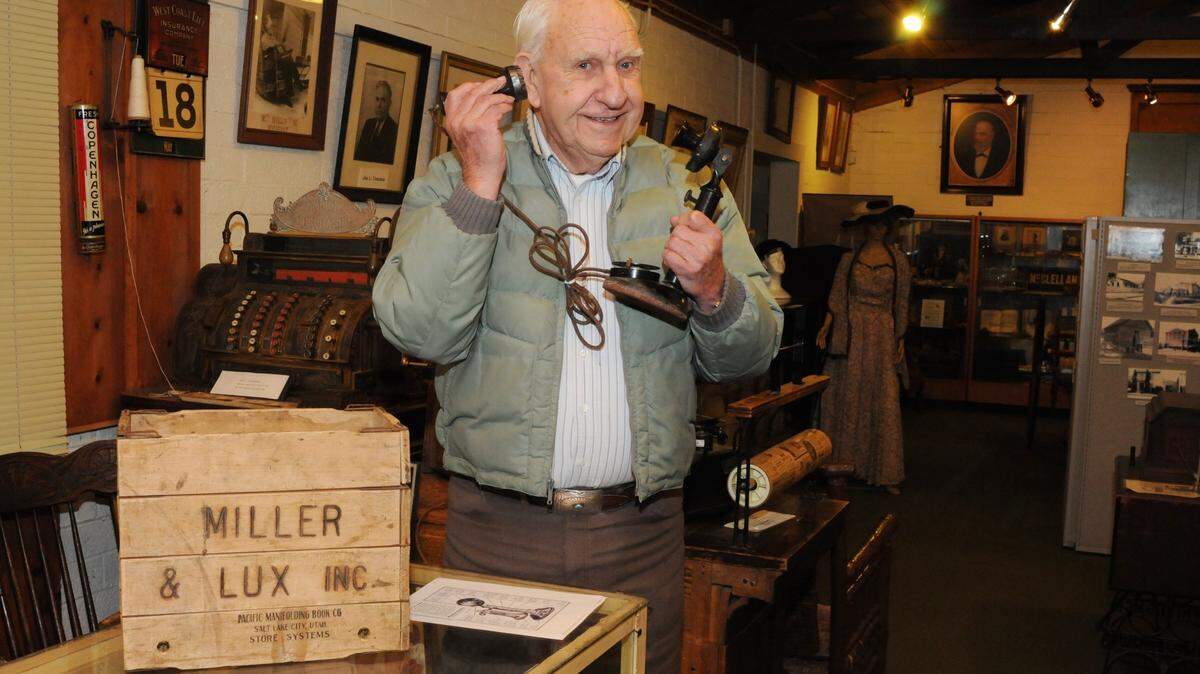
Our Milliken Museum is located at the far corner opposite the library at Pacecho Park, and it is a blessing to our residents, and especially our new residents.
A true lover of history, we are blessed that Ralph Leroy Milliken started this Museum in 1954 with documents, artifacts and oral histories.
Gathered in the museum are photos of the damage to Los Banos caused by the 1906 earthquake, artifacts from the Native Americans who first settled in our valley, and unique pieces of history — from beautiful old jewelry to the rugged tools that once helped people live.
This museum, our museum, is a passage back into history.
I had a chance to speak with Dan Nelson, active with the museum board for many years, when I visited it recently with friends.
Carolyn Vierra had arranged for a special tour. It is a rare opportunity to step back into the time of horse pulled carriages, Indian reservations, cow trails, long bustle dresses, and other artifacts of another time.
The people who developed the Central Valley were enormously strong and determined, weathering a challenging climate and deprived of most basic needs. It is due to the perseverance of our forebears that we have the canals, water irrigation, farms, roads, first schools and the potential and prosperity that we enjoy.
And here is some exciting news: Dan Nelson said that finally, after more than seven years of discussion and planning, a new museum building will be constructed to be able to show many things that have been stored due to lack of space and also to display things to a better advantage.
The new museum is being built on the Rail Trail next to Henry Miller Plaza and the Community Center.
This will do much to enrich the social center and heart of our community. The project is now in the final stages of signing an architect to design a 10,000 square foot, two story building.
The top floor will be shared by our water agencies. The descendants of Henry Miller have long been involved in the planning and funding.
This new structure will help to make our rare museum expand and become a real calling card for visitors and residents alike.
The museum has been kept going, thanks to the generosity of donations and the dedicated and hardworking members of the museum board and society.
It was two of the museum’s greatest workers, Charles Sawyer and June Erreca, who helped me fall in love with our community’s history.
Most readers are probably aware of our founder and benefactor, Henry Miller (Heinrich Alfred Kreiser by birth), born in Germany.
Henry’s father was a butcher, and so he learned the art of raising, slaughtering and marketing livestock. Henry decided at 17 to head for greener pastures in America. It took him two years in England and Holland before he made it to New York.
Henry was like many immigrants, bringing their hopes and dreams to America. Though many settled later in the Central Valley, few were as successful.
When Henry Miller arrived in San Francisco he only had $6 to his name. He still found his way to the San Joaquin Valley where he purchased 8,835 acres and 7500 head of cattle.
Charles Lux became his partner in business for many years. Miller acquired land on both sides of the San Joaquin River, a distance of 120 miles.
One of his quotes was, ”Land in California is cheap now, it will be valuable. Wise men buy land, fools sell, I will keep it!”
Miller was one of the first to introduce cotton, rice and alfalfa to our state. It was through Miller’s efforts that the railroad was extended through the westside, eventually determining the site of Los Banos.
An annual custom each year for the Miller & Lux employees was a large picnic. Our May Day Fair, coming up in just a few months, is also a part of Miller’s legacy.
It may be hard for some residents to envision the Los Banos of old but believe it or not, our May Day parade was once the second largest in the state , topped only by the Pasadena Rose Bowl.
Sometimes we may feel that just one person can only have just so much influence, but imagine what this young immigrant did, especially coming from such humble beginnings.
I hope you will come visit the Milliken Museum and stroll amongst the pictures and relics of bygone days. Walking around the museum, the old carriage, saddles, furniture, hats and school desks are a potpourri of past lives.
I have always felt a shift under my feet. I wonder what items may be in a museum of the future, items that are commonplace today? I have always loved antiques, and have my fair share.
I love touching them and wondering about their earlier life. The table my computer now sits on is from 1880. It must seem out of place here. I admit it is a bit wobbly, but with its intricate inlay and carved legs, to me it is a thing of beauty.
Perhaps the best balance we can have in life is to have one hand reaching back into the past, to gather knowledge and awareness of the gifts we’ve been given over time, and have one hand carefully held out to the future, remembering that all our actions have repercussions. Let’s be good stewards of the world we will later hand over.
The museum is open 1-4 p.m. every day but Monday.
This story was originally published February 25, 2022 at 1:26 PM.