The Valley lost a rock ‘n’ roll legend on Wednesday as Roddy Jackson, dubbed the “Central Valley Fireball,” died after complications following surgery, according to family.
Jackson, who was raised in Merced and lived there for much of his life, was 80 years old.
Born George Rodrick Jackson, his musical career took him to some incredible peaks, some unbelievable lows and a surprising resurgence late in life as fans rediscovered his music in Europe and internationally.
Jackson was also a hometown music teacher who had an impact on generations of musicians in Merced and the surrounding region.
Jackson was born on April 9, 1942 in Fresno and moved to Merced when he was 1 year old with his parents Rod and Lucille Jackson. His father was a recognized jazz guitarist and his mother played piano.
Jackson was a musical prodigy from a young age. He joined his first band “The Dreamers” at the age of 12. The band played swing and dixieland jazz tunes and was featured on a local radio station.
When he was 14, Jackson helped form The Merced Blue Notes after a chance meeting in a Merced High School music room.
Jackson was inside the building playing boogie-woogie-style piano while another student played drums. Moments later, two more students walked into the room carrying a guitar and a saxophone. Another arrived with a stand-up bass.
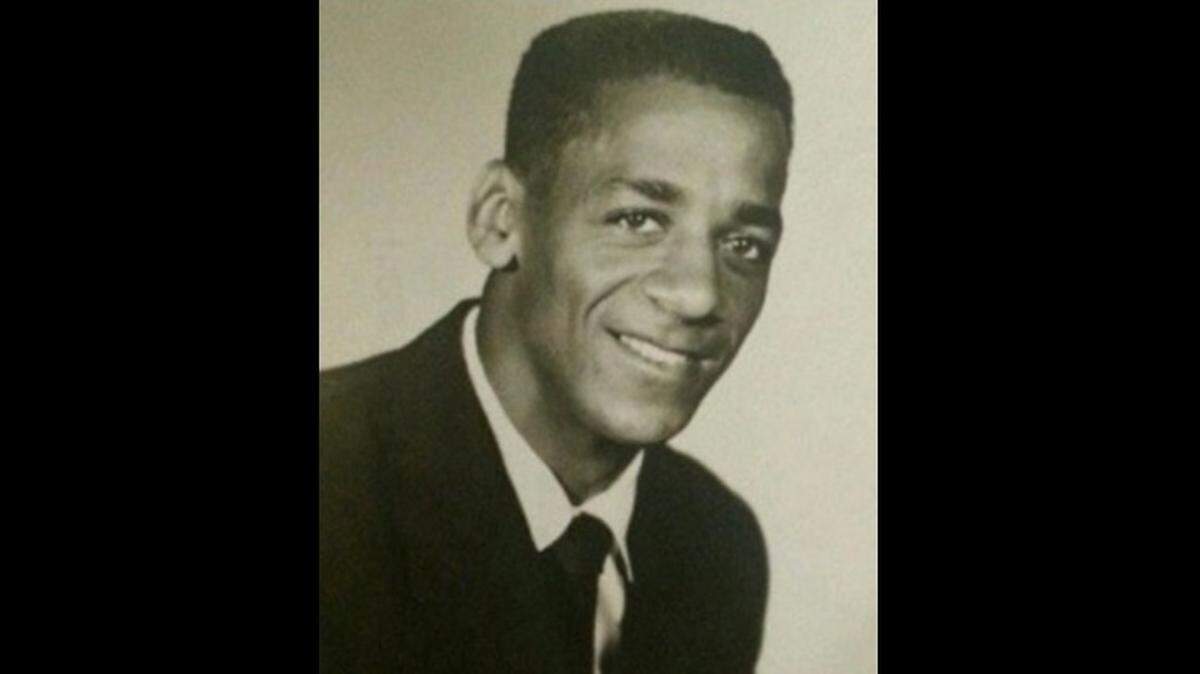
“My father Kenny Craig was playing in the music room,” Lockett said. “Neither one really knew about each other. My dad heard Roddy playing and he thought, ‘Who is this white boy getting down with all this soul?’ They never said a word, they just started playing.”
The music attracted a crowd of students.
“Next thing you know, there’s all these high school students, coming in there, screaming and yelling. The place filled up, they were outside placing their faces against the window,” Jackson told the Sun-Star in 2008. “This was like a total shock to us. We were just having fun.”
From that initial meeting, the jam sessions became more frequent, and a core group was formed.
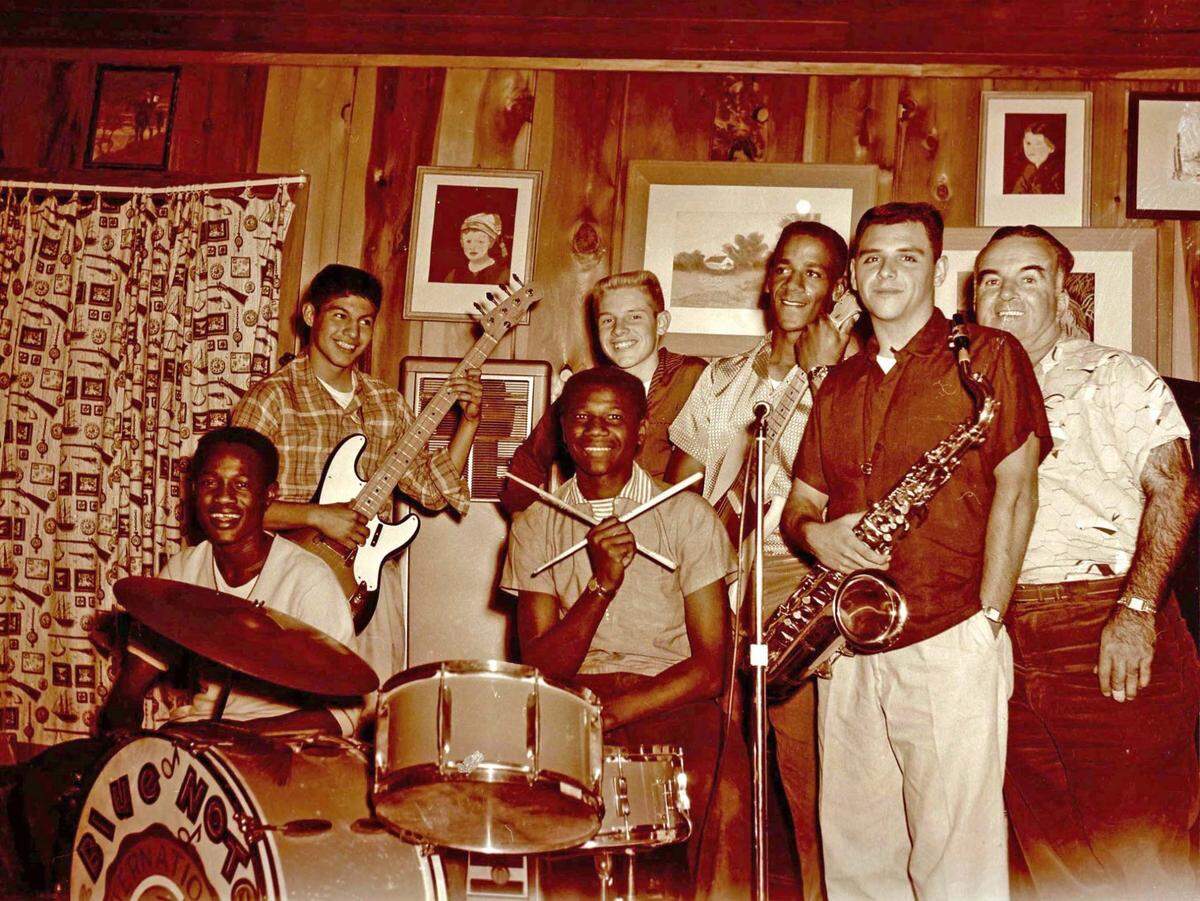
The 1950s lineup of the group, which would change over the years, included Jackson, Gil Fraire, Clarence Lewis, Buddy Wiggins, Kenny Craig and James Burkes.
The band moved forward under the wing of then-Merced Fire Chief George Coolures. They did shows in auditoriums and civic halls up and down the Central Valley.
With three Black members, one Hispanic and Jackson, who was white, The Merced Blue Notes were one of the first integrated rock bands in the area.
“That was a multiracial band that broke racial barriers here in Merced in the 1950s,” Lockett said. “The Blue Notes were family. (Roddy) was like an uncle to me.”
This photo, from the Courthouse Museum’s Music History in Merced County exhibit, shows the band Blue Notes posing for a picture during a practice session at the house of Fire Chief George Coolures, at right, in 1958. Roddy Jackson is shown standing in the back, with guitarist Kenny Craig to his left. Merced Sun-Star File Submitted Photo
As a white boy singing Black music, Jackson received many threats and verbal hits from whites and a few others. “Most of the Blacks and Hispanics liked it. But there were some that didn’t. And I got threatened and everything,” Jackson told the Sun-Star.
It was Jackson’s style and raspy voice that eventually led to him being signed by Sonny Bono and Specialty Records, the label that helped launch the career of Jackson’s idol Little Richard.
Despite Bono’s insistence to drop The Merced Blue Notes, Jackson was signed to Specialty Records. He would commute between Merced and Los Angeles, staying at Bono’s home while recording.
Although Jackson recorded with studio musicians, he frequently stuck with his band when playing live — a decision that restricted many of his performances to the Central Valley.
“Roddy was one of the few musicians to make it big and put Merced on the map in terms of music,” said musician Mikel Soria, who is also from Merced. “The thing is, Roddy never left for a big city. Instead of staying somewhere like Los Angeles or San Francisco or New York, he chose to stay here. He would travel around the world but he always returned.”
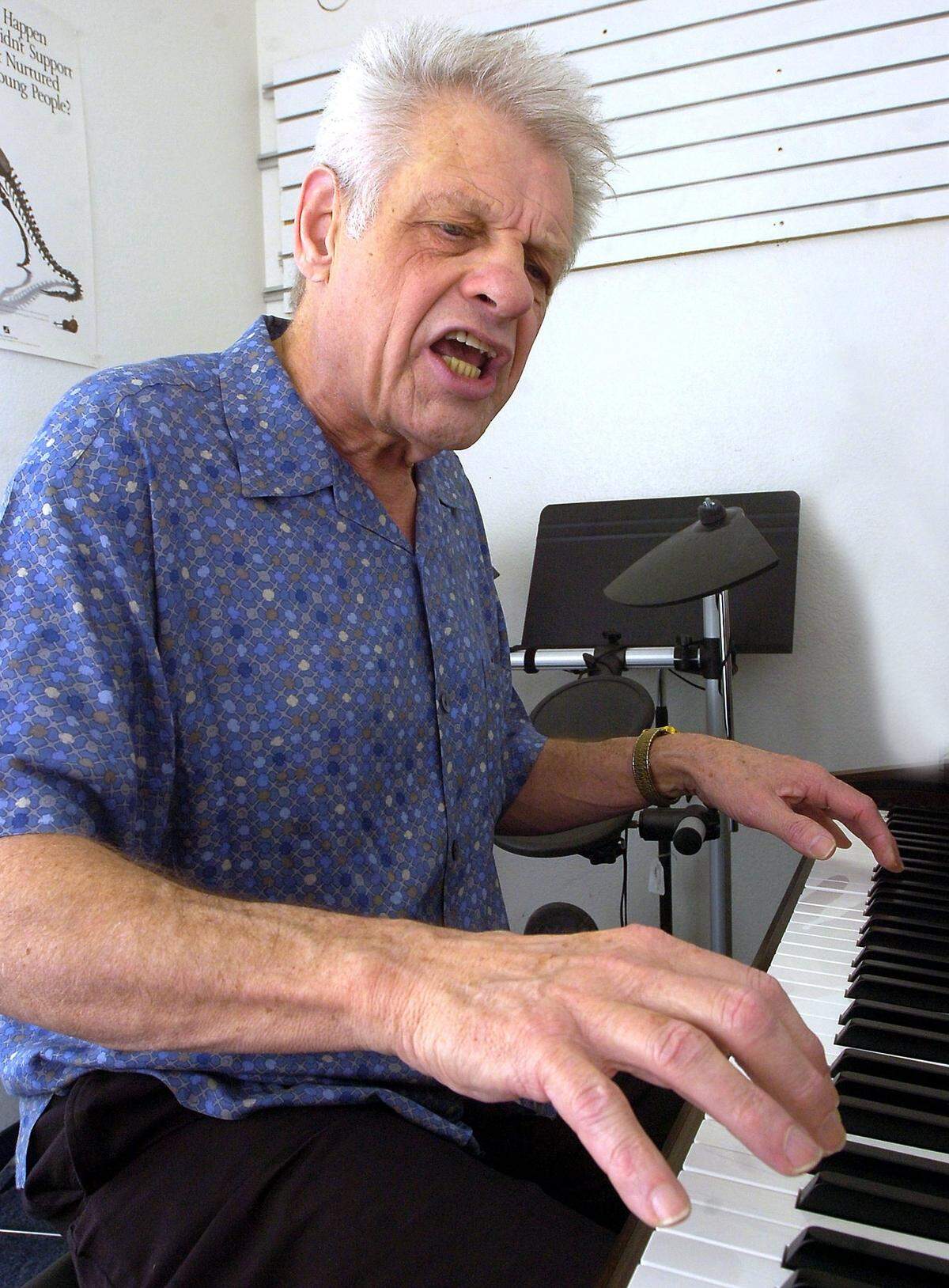
Roddy Jackson marci stenberg Merced Sun-Star
On brink of stardom
Jackson was on the cusp of national stardom with a scheduled 1958 appearance on Dick Clark’s “American Bandstand,” but a money dispute between his record company and show producers resulted in Jackson’s appearance on the show being canceled.
Jackson eventually felt the cancellation possibly saved his life. Jackson admitted he dove head first into the rock ‘n’ roll lifestyle, getting involved with drugs and alcohol. In hindsight, he said fame and fortune would have given him unlimited access to those pitfalls.
“The first part of his life he was an alcoholic, his life was about sex, drugs and rock ‘n’ roll,” acknowledged his wife of 28 years Kate. “The second part of his life was about improving himself.”
After Jackson was dropped from Specialty Records, he joined the Army in 1961 and served three years, receiving an honorable discharge in 1964. Jackson played in a few bands while moving around throughout the 1960s but decided to take a break from music in 1968 and worked different jobs over the years.
In 1981, Jackson moved back to Merced and began his career as a music teacher. He landed his first teaching job at Dorothy’s Music Center. In 1992 was hired as a music and theater teacher in Ballico, a job he held for 15 years.
“He knows how to teach,” Lockett said. “A lot of great musicians can play what they feel or hear by sound but they can’t teach. He knows how to teach. He won’t let you move on until you learn it.”
Resurgence
Meanwhile, unbeknownst to Jackson, a huge fan base of British fans with an appreciation of early rock ‘n’ roll music had emerged over the years, wondering where he had gone.
A freelance British music journalist based in Oakland tracked Jackson down in 2002 and called him.
Kate Jackson said she and her husband came back from vacation to the phone message from the journalist asking if he was indeed the real Roddy Jackson, saying he was interested in writing a magazine article about his life story.
After the article was published, Jackson was invited to perform at various music festivals in the United Kingdom. He was embraced by thousands of fans and returned overseas several times to perform at shows and festivals from 2004 until the COVID-19 pandemic hit.
In addition to a renewed fan base, British-based Ace Records in 2004 released “Merced Blue Notes: Get Your Kicks on Route 99,” a compilation of 26 songs by the group, several of which were previously unreleased.
Also in 2013, Ace Records released “Central Valley Fireball,” a compilation of Jackson’s recorded songs from Specialty Records, including a previously unreleased version of “She Said Yeah” performed by Jackson.
“My greatest joy was observing him on stage,” Kate Jackson said. “I used to stand on the side of the stage and watch him perform and he would turn back into a 20-year-old. It didn’t matter how old he was, he had the energy of a 20-year-old and the excitement of a 20-year-old.”
“He just loved what he did,” Kate Jackson said. “He loved to perform for people. He loved teaching music lessons. He helped a lot of kids and musicians along the way.”
Jackson is survived by his wife Kate, sister Annette Rambo and her husband Dawson, brother Rick Jackson and his wife Mary, and sister Roseanne Ackerley.
Other surviving family members include his stepson Clint Child and his wife Chanda, stepdaughters Kathleen Siering, Jenee Weiner, Robin Freitas and Lora Hill and many grandchildren.
Jackson was preceded in death by his stepson Chris and stepson Adam Trelatsky.
Kenneth Craig’s Saturday, June 7, 1958, graduation photo. Courtesy of Cheryl Lockett
Roddy Jackson is known locally in the music scene as a living legend. He was a frontman for the Merced Blue Notes during the 1960s and recorded with Sonny Bono. marci stenberg Merced Sun-Star
This story was originally published December 10, 2022 at 7:07 AM.
Sports writer Shawn Jansen has been covering Merced area sports for 20 years. He came to Merced from Suisun City and is a graduate of San Diego State University. Prior to the Sun-Star, Shawn worked at the Daily Republic in Fairfield.

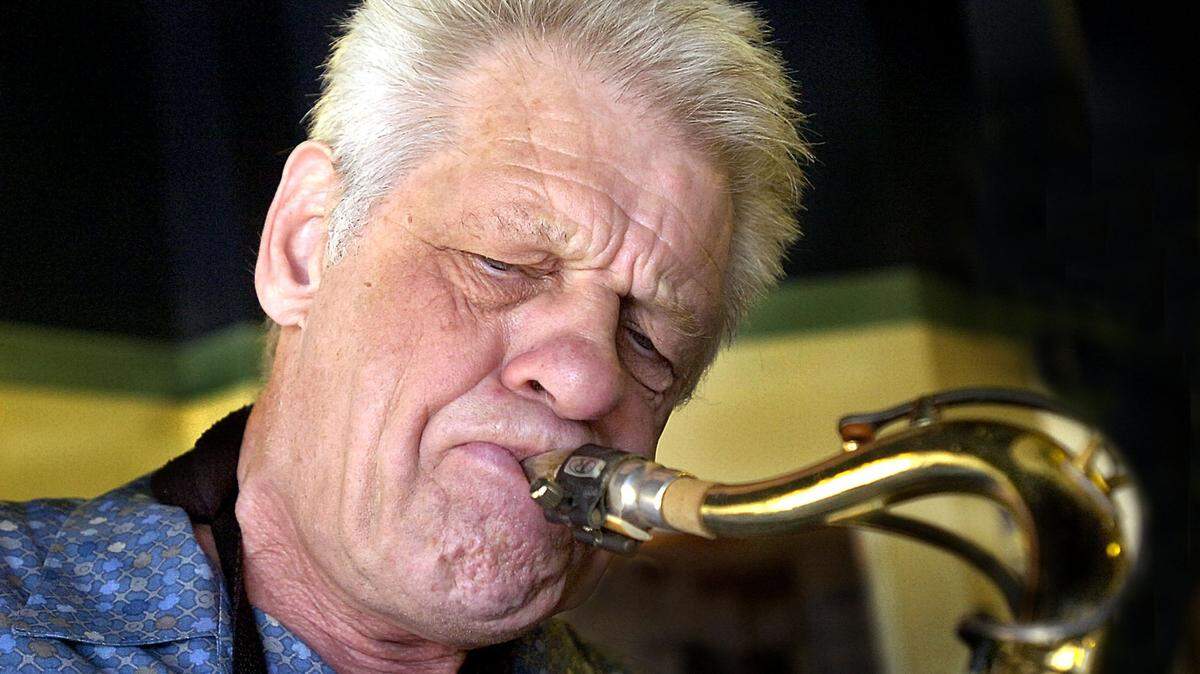
.JPG "N31_MMMjackson5 (1).JPG")