Merced City Council District 5 candidates share views, plans at forum with election approaching
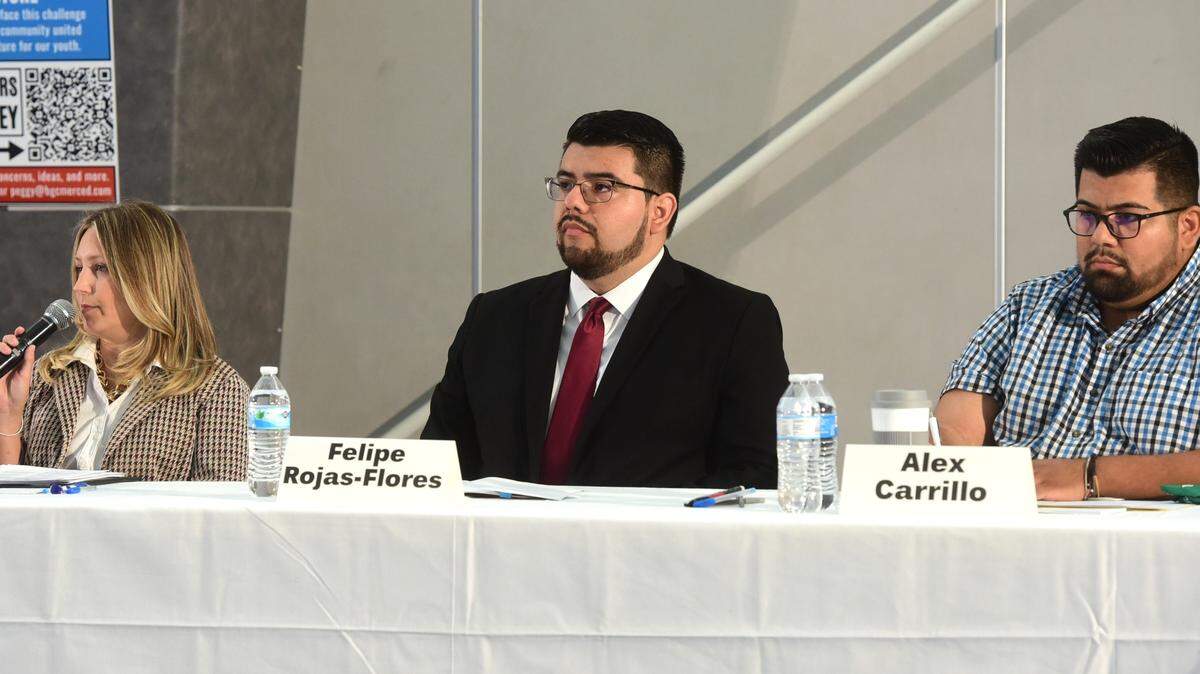
There are three candidates running for the Merced City Council District 5 seat in November’s election, including incumbent Sarah Boyle.
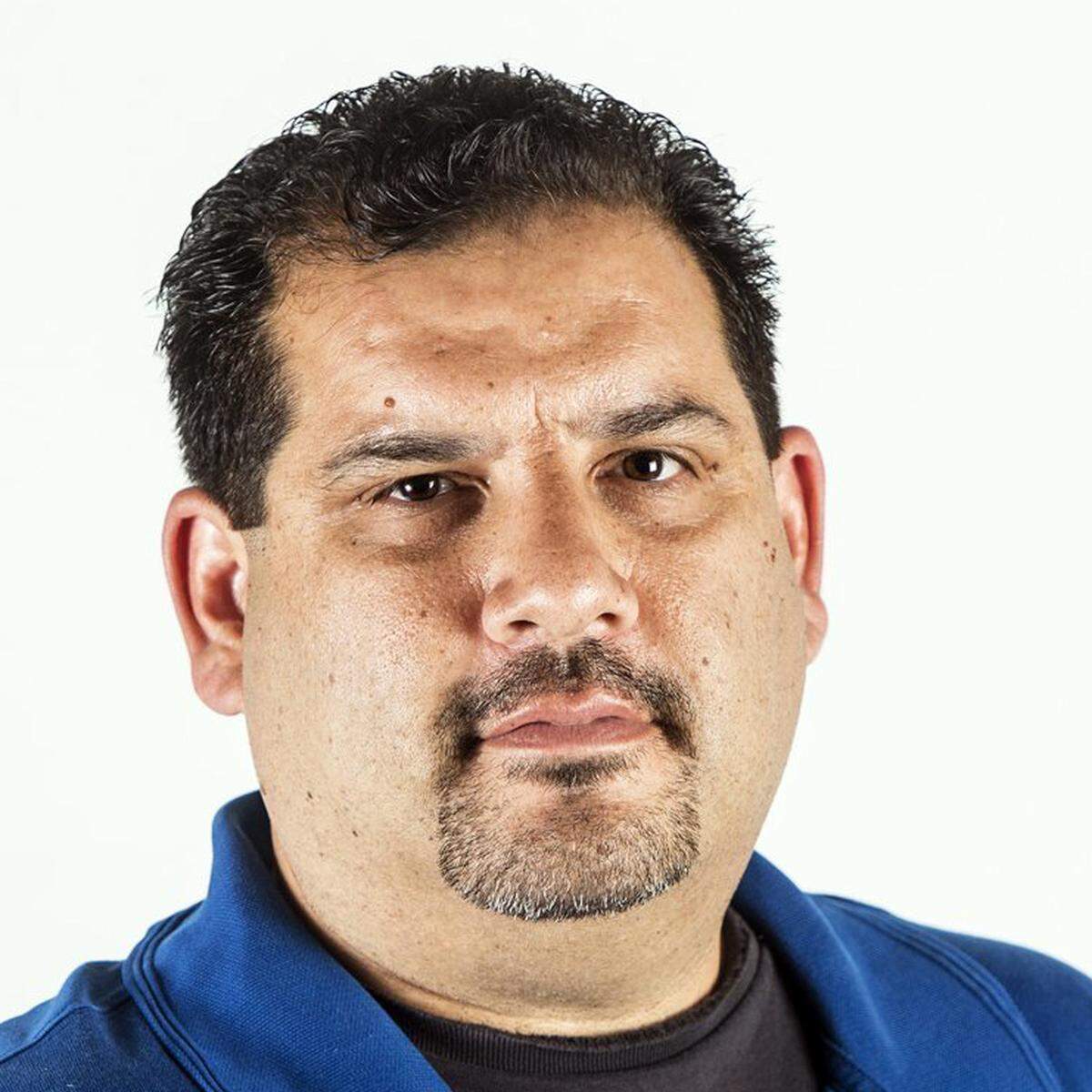
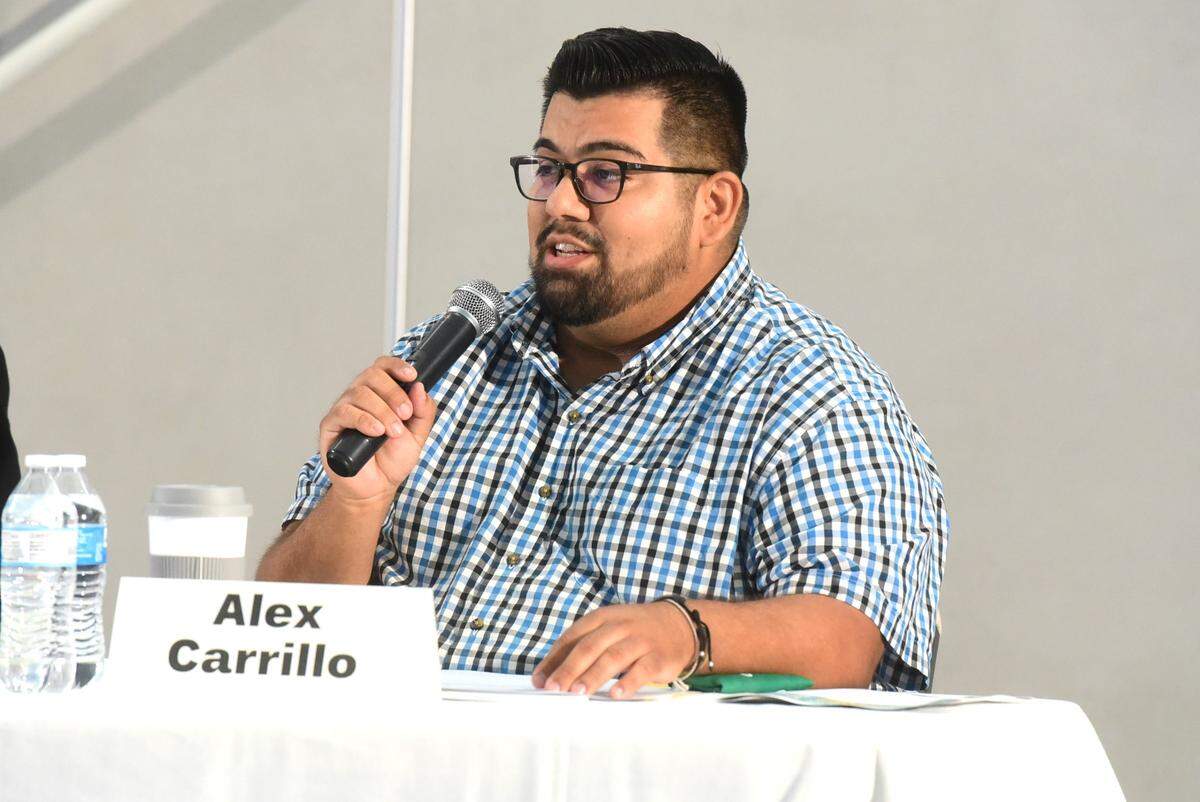
Boyle’s two challengers in District 5, which covers Northeast Merced, are Felipe Rojas-Flores, a public interest attorney, and Alex Carrillo, a communications and policy director.
The three candidates participated in a candidates forum at the Merced Boys & Girls Club on Saturday, Sept. 14 where they answered questions and expressed their views on a number of issues and challenges facing Merced, including public safety, economic development, infrastructure and homelessness.
Here are some of the questions posed to the two candidates during the forum and a summary of their responses.
Their responses appear in the order they were given during the forum.
Question: If elected, what housing policies and programs will you advance to ensure that residents have access to quality and affordable housing, including for low income?
Boyle said what has happened in terms of affordable housing in Merced in recent years should have happened 20 or 30 years ago.
“What we’re seeing now is all the effects of not having any affordable housing built in the city of Merced,” he said.
Boyle said the city has made progress in the last 3-4 years with with 214 units already completed and 500 units of affordable housing approved.
“We’ve made great strides and I look forward to more projects that we can improve in the future,” she said.
Rojas-Flores said one way to improve the amount of affordable housing is to change zoning.
“An idea I have for District Five is the old Sears building,” Rojas-Flores said. “Right now, in its current condition, maybe we can change the zoning and add a floor for apartments above there. There’s a Target next door, there’s grocery stores across the street, and there’s a bus stop that connects directly to Merced College and UC Merced.”
Carrillo said there are too many apartment complexes being built in Merced and not enough houses for families.
Carrillo said he grew up in a family of eight in a two-bedroom apartment and that doesn’t qualify for adequate living for any family in the Merced community.
“We need to ensure that the community also understands the programs that are available to access the funding that’s currently available for first-time homebuyers,” Carrillo said. “We could build all the houses in the world, but if people don’t have a means to purchase a home or understand the process, then they’re just going to sit there.”
Q: If elected, what are some solutions you propose to ensure existing disadvantaged communities such as those in South Merced get the infrastructure improvements and investments they need, including road improvements, sidewalks, lights, water, storm water, drainage and sewer?
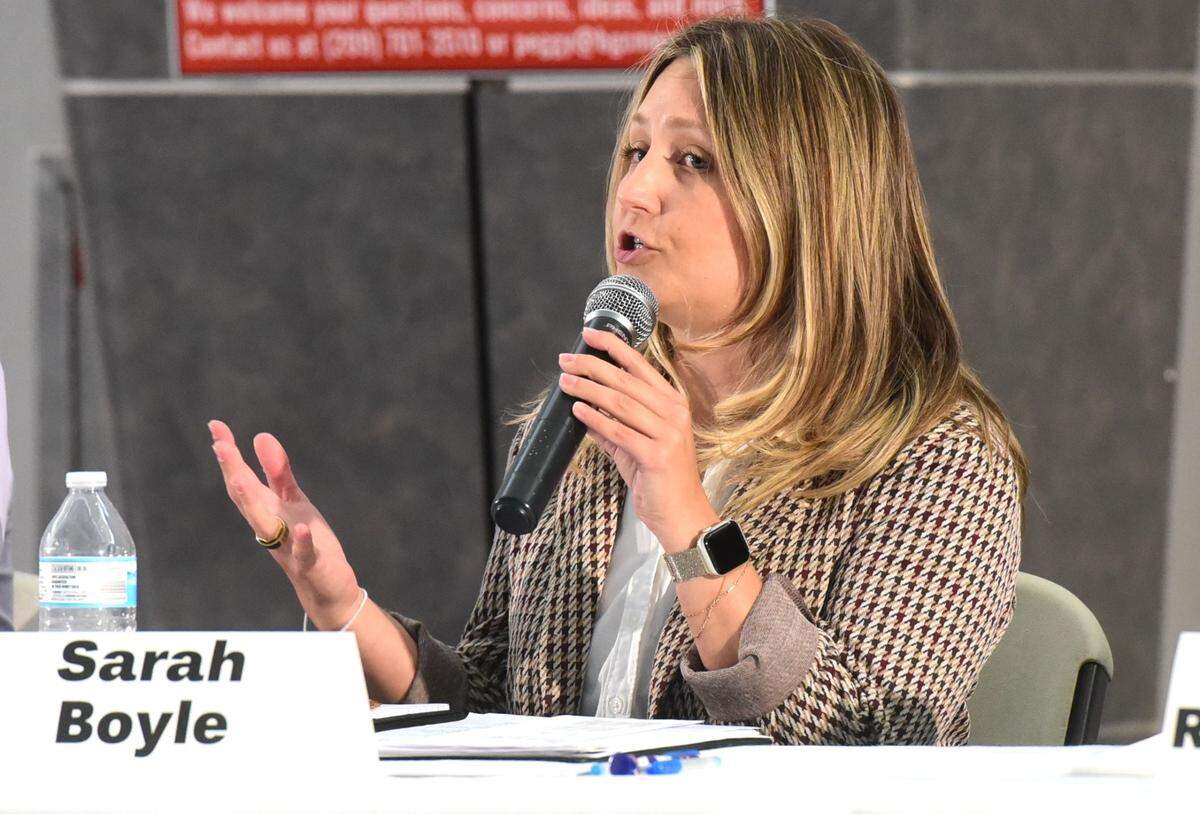
Boyle has sat on the South Merced committee and has met with leadership council to hear what community members want improved in their area.
She said lights and sidewalks are two big needs and she’s worked to make those improvements.
“These are strides that we’re trying to make, but it really does come from listening to the community members, or what are some of the issues are that we can help and solve,” Boyle said.
Rojas-Flores said he grew up in South Merced and the area has needed improvements to sidewalks, roads and lights his whole life. He said it’s vital that the city save for these infrastructure improvements.
“Something that we can do as a city is be proactive,” Rojas-Flores said. “We might not always have those federal funds to bring sidewalks. So you know what we can do? We can start saving for these infrastructure projects that we know are going to be an issue in the future.”
Carrillo said South Merced is an area that has lacked investment from the city for years.
“When it comes to addressing these issues now, moving into, you know, the 21st century, is making sure that, first of all, we hire a permanent city engineer,” Carrillo said. “There’s a bottleneck in projects because the council members who want to continue to contract out. This is not sustainable, and this is much more expensive for our community.”
Q: How will you ensure all residents, including children, youth and seniors, have access to safe, vibrant parks and accessible community spaces and recreational programs?
Rojas-Flores said growing up in Merced, there were microparks in South Merced. It made it nice to have a park nearby for those people who couldn’t drive to Applegate Park or Fahrens Park.
Rojas-Flores said he’d like to see those microparks return.
“Having micro parks ensures that we have these green spaces for everyone in our community, that’s walkable and you don’t need to have your own personal vehicle,” he said.
Carrillo said the city should seek state and federal funding to hire park rangers who can provide educational and recreation activities or families, and maintenance work.
The rangers would also prevent people from damaging or keep the homeless from camping there.
“Our local park, people don’t want to go because I hear from our neighbors that there’s people camping there, there’s different criminal activity happening at the parks,” Carrillo said. “So we make sure that we have park rangers as a deterrent to crime.”
Boyle said the city council approved $1 million for a youth job program the last two years. The city also recently made improvements to Fahrens Park, including new playground equipment.
“I do believe that we need to have better partnerships and conversations with our school district,” Boyle said. “Also kind of piggybacking off of that, we did a recent partnership with Parks and Recs and Merced City School District and what does that look like for the future?”
Q: Merced residents face issues with speeding and pedestrian safety. How will you address these concerns?
Boyle said speeding throughout Merced has become one of the top issues for residents and it’s an issue that’s she’s been trying to tackle in recent years while serving on city council.
“Last year I had brought forward installing the red light cameras,” Boyle said. “I mean the last thing that any of us want to have is going through an intersection and getting T-boned from someone running a red light and then all the consequences that come after that. Another thing that I brought forward was the light synchronization in Merced.”
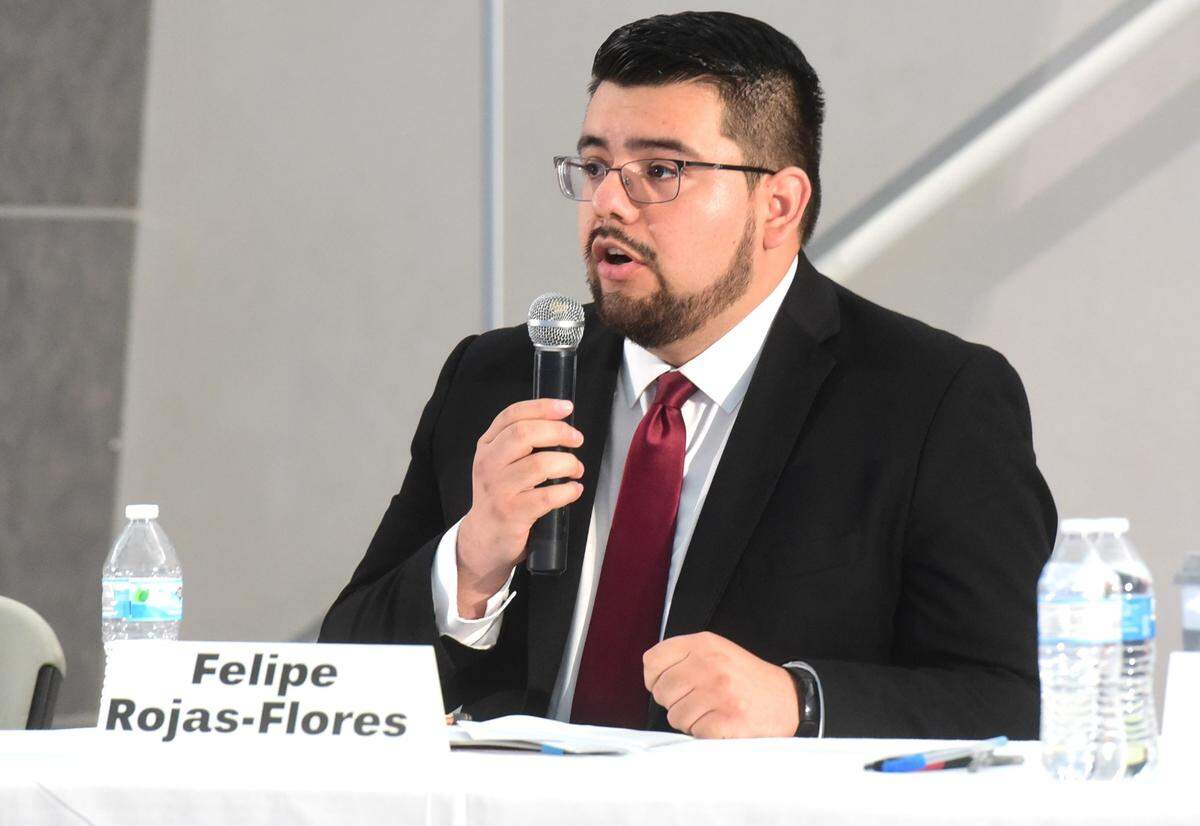
Rojas-Flores suggests the city looks into adding curb extensions, which visually and physically narrow the roadways, creating shorter crossing areas for pedestrians.
“Engineering is something that we need to put more focus on,” Rojas-Flores said. “Curb extensions, we already have them on Main Street. People aren’t going 40 mph on Main Street.”
Carrillo said he’s brought up this issue during town halls in the past and has been told there is no money available. He suggests the city looks for alternate funding for traffic calming measures.
Carrillo said another issue is that many neighborhoods are not ADA compliant.
“Our sidewalks are not ADA compliant in the neighborhood that I live in,” he said. “Specifically, there’s a lot of seniors, there’s a lot of mothers and parents with strollers that can’t cross the street safely because the sidewalks are not ADA compliant.”
Q: So what are your long term and short term goals to address the needs of the unhoused population in Merced?
Rojas-Flores said there is no one-solution-fits-all scenario when dealing with the homeless. He said there are different types of people experiencing homelessness.
“Short term is trying to identify the people that want our help and giving them the help and that will start bringing down the unhoused population,” he said.
Rojas-Flores said he likes the approach of enforcement by police as a last resort with the homeless.
Carrillo said it’s important that the city holds the state to the same standards that the state is holding cities to in terms of dealing with the homeless.
“The state has made it a priority to continue funding to provide services for unhoused populations,” Carrillo said. “However, if we’re not meeting the safe requirements, they’re going to start retracting some of that funding that is available, and that will make it a burden to you as a taxpayer here in our community. And so that’s step one, is making sure the state is held to the same standard.”
Boyle said the city needs to continue the Homekey projects in Merced. She said when the police department does go to homeless encampments they are providing resources.
“I think ultimately, working with our county, state and federal programs, and how we can get more of these funding to build these (low income) houses,” Boyle said.
Q: According to the Bureau of Labor Statistics, the unemployment rate in the city of Merced is about 10%. How will you create economic opportunities that provide sustainable wages for all residents and allow them to achieve upward mobility?
Rojas-Flores said after the recent closure of a Save Mart distribution center that was owned by a private equity firm in Canada he would want to focus on helping local businesses flourish.
“I think in ensuring that the city is there to help any city residents to start their own business, develop their own business, grow their business, is the best way to ensure jobs are created and jobs that are sustained more and are going to be here in Merced for generations,” Rojas-Flores said.
Carrillo said Merced needs to be more small-business friendly and the city needs to build up the economic development staff.
“We also need to attract large industry that provides good paying jobs, and is conscience about the environmental impacts of our community,” Carillo said. “With these good paying jobs, also providing a platform and removing red tape and ensuring the process to do business with the city.”
Boyle said she currently sits on the the Economic Development Committee and they are discussing what does economic development look like in Merced.
“It’s not just like we’re going to bring in some warehouse, but it’s like what are the skills that we currently have here that you can easily come in and hire people locally,” Boyle said. “And then another thing is, we need to be looking at available space and future space, what does the bigger scale of Merced look like, and where are we growing when it comes to industrial, commercial areas.”
Mail-in ballots will be sent to voters on Oct. 7. The last day to register to vote is Oct. 21 with election day on Nov. 5.
This story was originally published September 20, 2024 at 10:29 AM.