
Human case of bird flu confirmed in Merced County, health officials say
Merced County has seen its first case of H5N1 bird flu, according to the Merced County Department of Public Health.
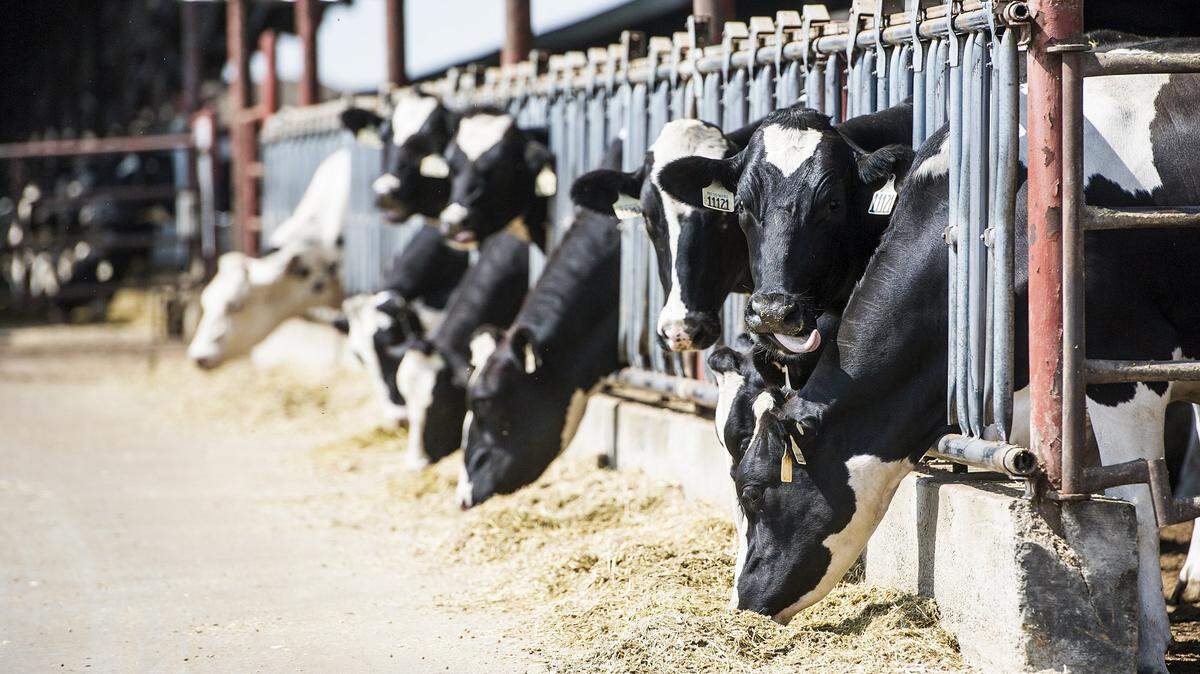
The county said that the infected individual had direct contact with cattle at a Merced County dairy farm and laboratory tests confirmed the case after symptoms were detected following the direct exposure.
All known contacts exposed to the infected cattle have been notified and those individuals are being monitored for symptoms of the illness. Risk to the general public remains low at this time, according to the county.
As of Oct. 23, there have been a total of 15 confirmed human cases of bird flu in the state, according to the California Department of Public Health. There have been 97 livestock herds affected by the virus in California in the last 30 days as of Oct. 22, according to United States Department of Agriculture data.
Health officials said one of the ways people can be exposed to the virus is through direct contact with infected animals such cattle or birds whether they are alive or dead. Other ways people can be exposed to the virus is by coming in contact with contaminated surfaces, feed, water troughs or bedding.
Symptoms of an H5N1 infection are consistent with acute respiratory tract infections and may include fever, sore throat, cough, fatigue, shortness of breath, a runny or stuffy nose, muscle or body aches and conjunctivitis.
According to the Centers for Disease Control and Prevention, bird flu virus infections in humans can range in severity from zero symptoms to a mild illness that may cause upper respiratory symptoms or eye infection, to severe cases that may cause illness such as pneumonia that could result in death. Human infections with the virus most often occur after a person has had lengthy unprotected contact such as not wearing respiratory protection, eye protection or gloves when coming into contact with infected birds or surfaces touched by a sick bird’s feces, mucous or saliva.
Anyone who develops symptoms after being exposed to H5N1 is advised to seek medical treatment through a primary care provider or the Merced County Department of Public Health as soon as possible. Those who are exposed to cattle or birds infected with H5N1 or potentially contaminated surfaces should be monitored for a period of 10 days after the last day of exposure, according to county health officials.
The seasonal flu vaccine not only protects against serious illness from the seasonal flu, it may reduce the chance of human and bird flu viruses mixing becoming even more dangerous, according to the California Department of Public Health. The state has received 5,000 additional seasonal flu vaccines for individuals working with dairy cows in the Central Valley.
The CDPH said the risk to the public remains low and there have been no instances of person-to-person spread of bird flu detected in the state.
Anyone who observes a sick or dead animal possibly infected by the virus, is advised to stay away from the animal if possible. If the animal must be handled, appropriate personal protective equipment should be warn to prevent exposure, according to the CDPH. Additionally, the incident should be reported to an employer or organization veterinarian. Dead mammals and wild birds should be reported to the California Department of Fish and Wildlife’s Wildlife Mortality Reporting website.
This story was originally published October 28, 2024 at 6:00 AM.