How the Merced Applegate Zoo keeps animals cool in extreme heat
AI-generated summary reviewed by our newsroom.
- Zoo staff implement shade, water, ice treats, and fans to cool 75 animals.
- Feeding schedules shift to mornings and evenings to avoid peak heat.
- Zookeepers monitor animals and coordinate with vets during extreme heat.
As temperatures climbed into the hundreds last weekend, Merced residents had to find ways to keep cool, including the furry and feathery residents at the Merced Applegate Zoo.
When the temperatures reach the high-90s, including as being predicted for this upcoming Labor Day weekend, the zoo shifts to its summer playbook. The result of the strategies keeps roughly 75 animals comfortable through the Central Valley heat.
According to Merced Applegate Zoo’s Zookeeper Joshua Moreno, there are many strategies the zoo employs to keep animals cool during extreme heat:
- Natural shade from mature trees across the zoo grounds, with shade-cloths lining enclosures where tree cover is thin
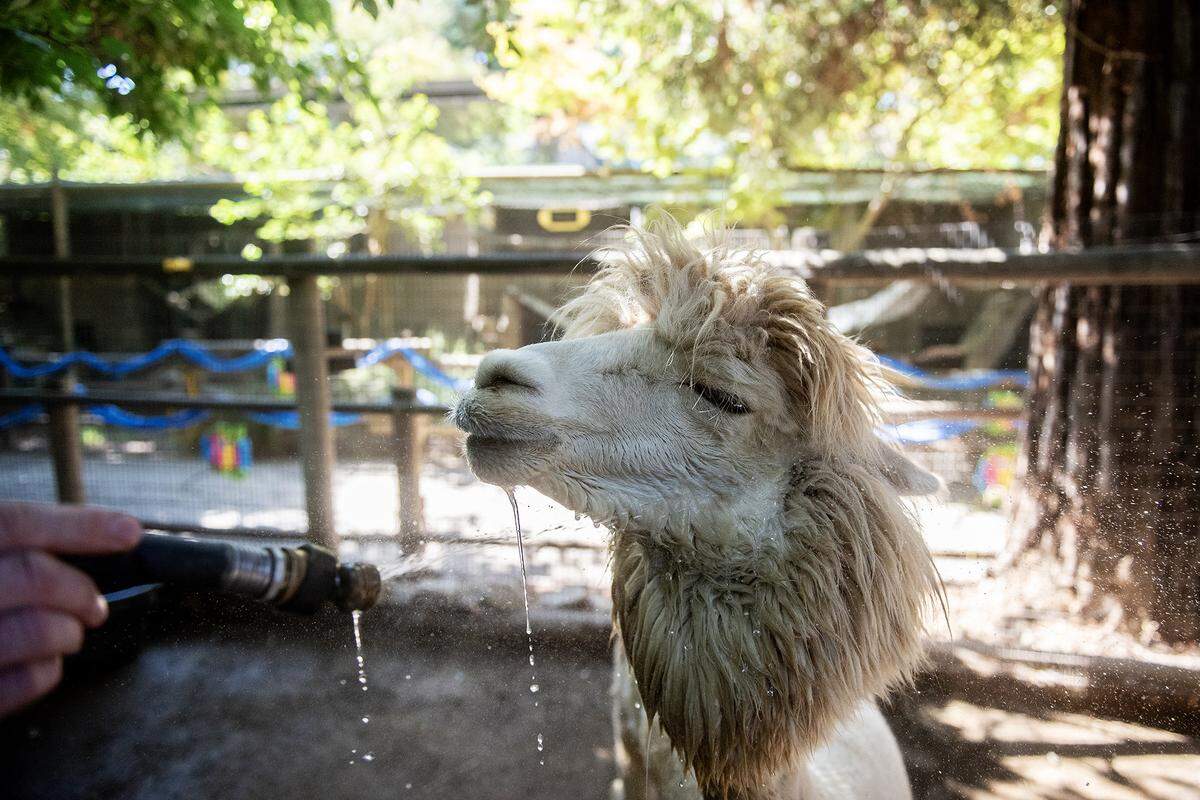
- Water based enrichment such as pools
- Frozen treats like ice blocks and frozen produce
- Muddy water for some species like the Emus to wallow in
- Selectively placed fans for heat-sensitive animals
- Air conditioned rooms for some animals that are less resilient in the heat
The strategies are employed following multi-day planning tied to heat forecasts. Zookeepers will monitor the animals for heat related stress during forecasted hot days. During this time, the zookeepers routinely keep the zoo’s contracted veterinarian up to date on any abnormal behavior exhibited by the animals.
“Fortunately, the main thing that keeps them cool is we have a lot of mature shade trees here,” Moreno said. “So, just walking around the zoo, you can feel the difference whenever the sun is shining and it’s really bright.”

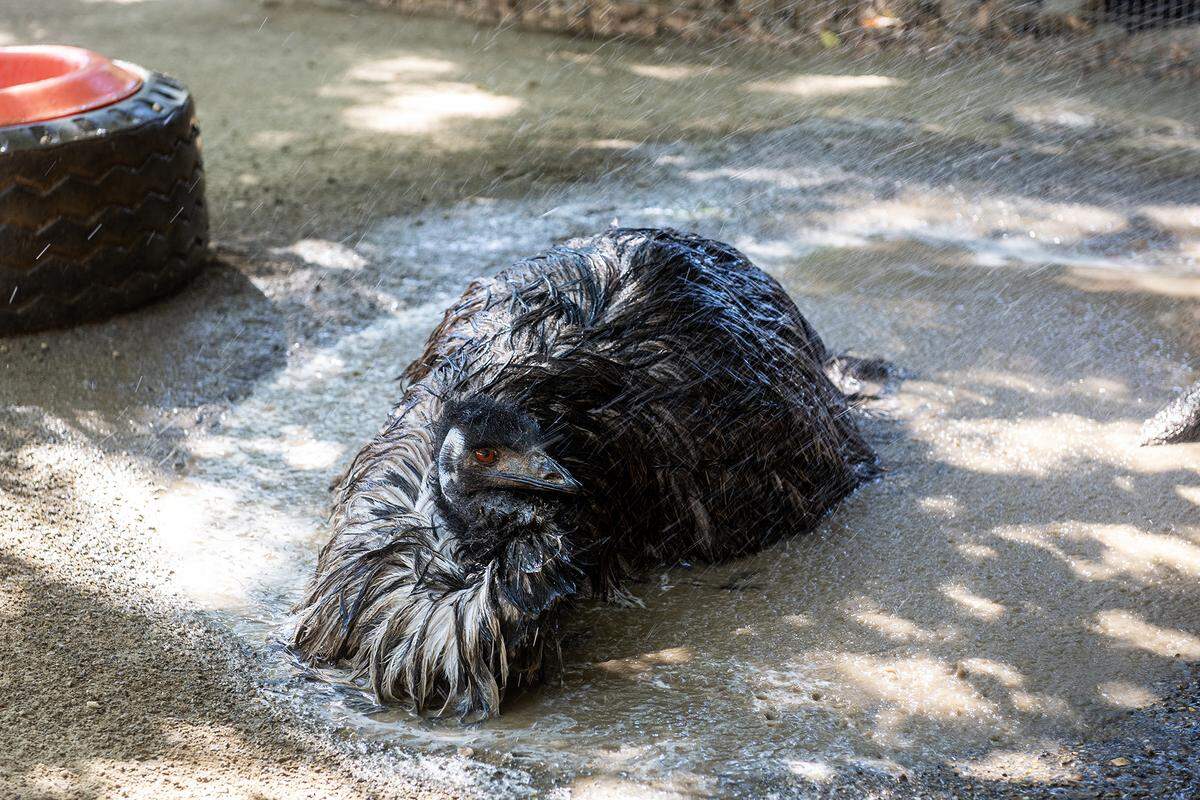
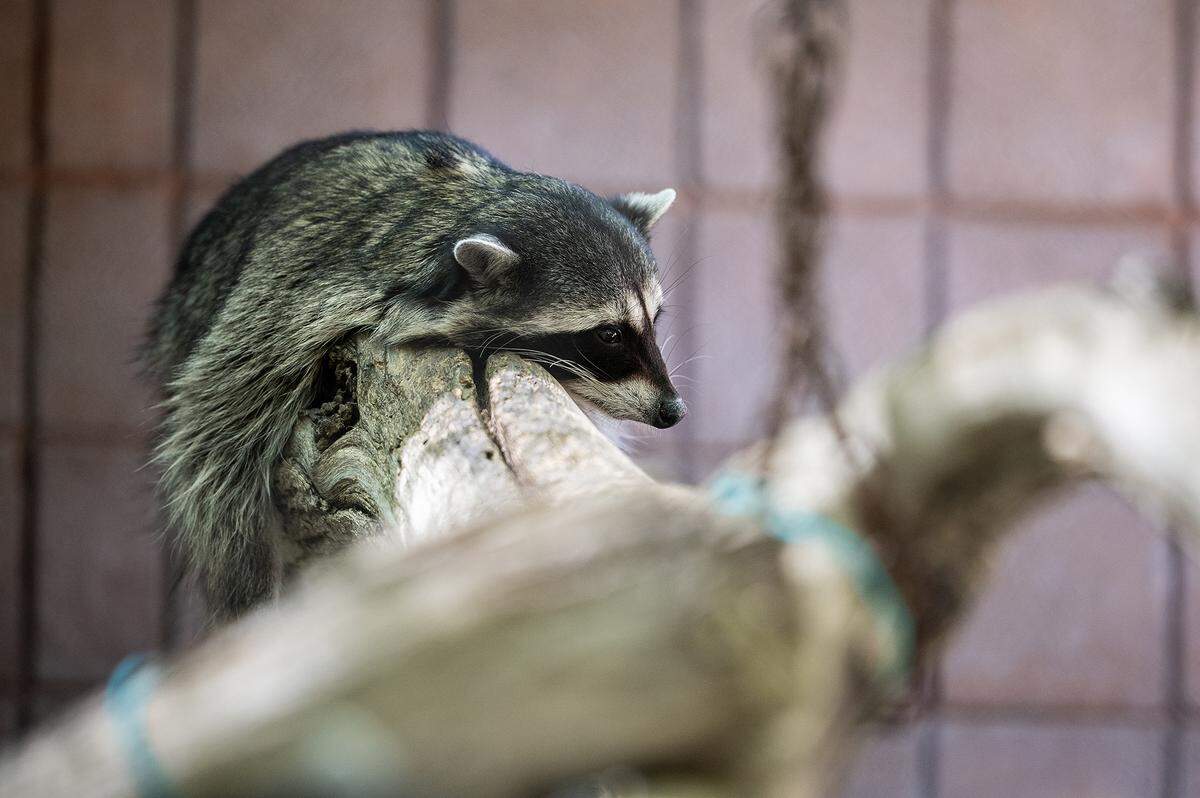
Most of the animals at the Merced Applegate Zoo are native to California or other areas of the world where extreme heat events are more common, Moreno says. One of those animals is a giant bird, an Emu named Melon who was rescued decades ago from the streets of Merced.
“(Emus) are native to Australia, and again, it gets very hot in Australia. So, they’re pretty good at keeping cool all on their own, but we just provide the little bit of extra help on those hot days,” Moreno said as he created a mud pit for Melon to wallow in.
Like many of the other animals at the zoo, Emus naturally cool themselves down through panting, much like domesticated dogs. Moreno says this can confuse zoo visitors that aren’t used to seeing other animals pant and view it as an animal in distress.
“They think they are gasping for air or something. No, it’s just staying cool,” Moreno said.
The animals’ feeding schedules will also be altered so they do not over-exert themselves in the heat. Feeding schedules are shifted to the morning or late evenings to avoid peak heat hours.
“Food wise, they definitely aren’t as motivated to eat during the day on hot days,” Moreno said. “And animals out in the wild, here in the zoo, their main form of staying cool is finding a nice shady spot and napping.”
“They’re gonna conserve energy by staying asleep during the day.”