Friends, not foes. Central Valley bats can reveal much about our region
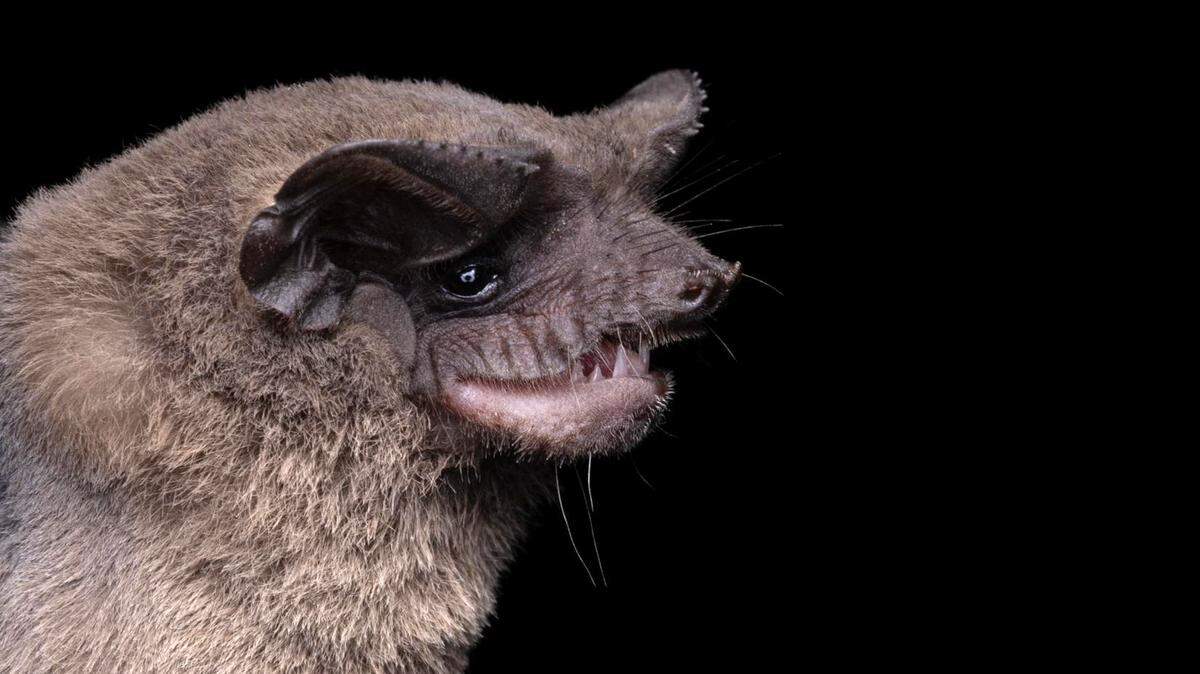
With their beady eyes, sharp fangs and leathery wings, bats have long been staples of Halloween and all things spooky. They’re seen as creatures of the night determined to at least tangle themselves in your hair, or at worst suck your blood.
Perhaps they are just misunderstood, and given their large worldwide population, embracing them may do wonders for the environment.
After rodents, bats are the second-largest order of mammals on Earth, with around 1,500 known species. In Stanislaus County alone, there are at least 16 species, and thanks to a multi-agency partnership, these mysterious fliers may soon be able to tell us more about the health and ecology of our region.
With key funding from the California Wildlife Conservation Board, River Partners has partnered with Bat Conservation International and Conservation Metrics Inc. to study bats in the Central Valley.
“This came about through the need and desire to know more about all types of wildlife that live in and around our restoration projects in the Central Valley. We do a lot of work for birds, we do a lot of work for the imperiled riparian brush rabbit, but we hadn’t before done anything for bats,” said Sean Murphy, a spokesperson for River Partners.
The $40 million project started in 2023 for “restoration planning and implementation across the San Joaquin Valley, with nearly $4 million of the funding earmarked for a Before-After Control-Impact monitoring project.”
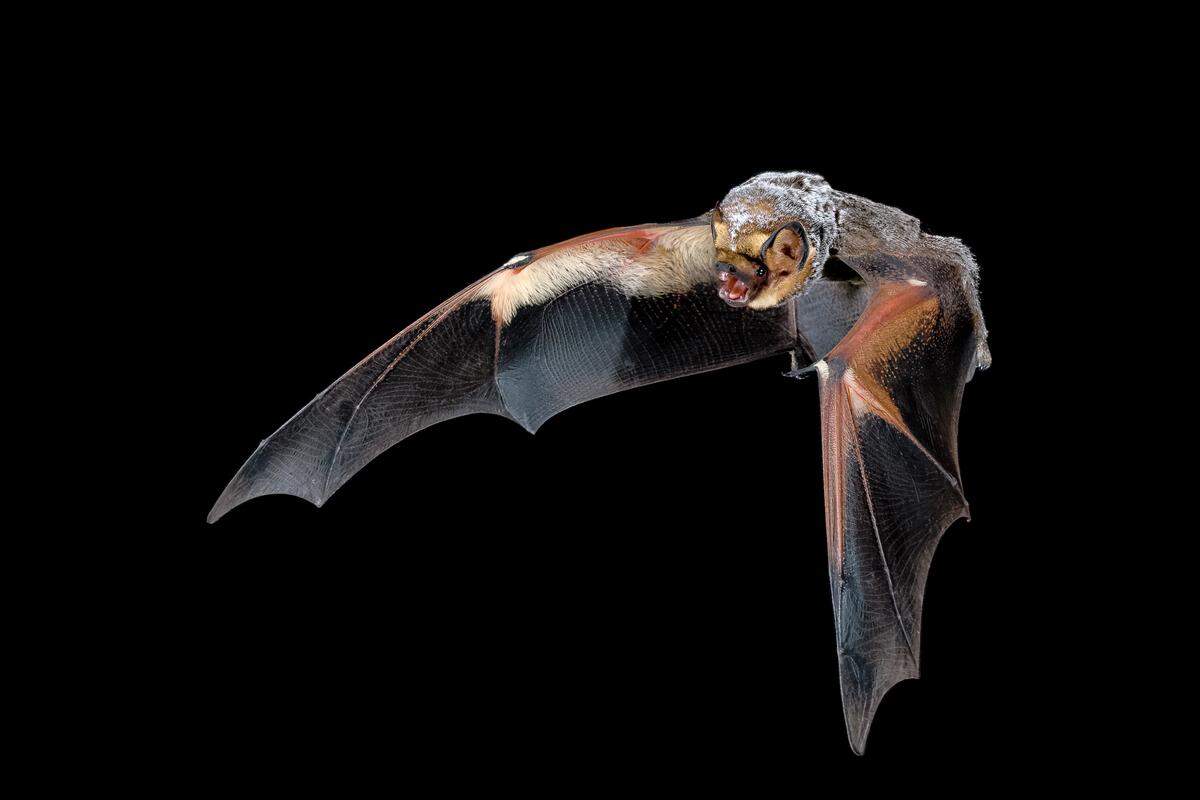
The first bat study was conducted in August at sites in Stanislaus and Merced counties. Eight boxes on 12-foot poles were installed at eight locations containing 24 recording units. The devices record bat sounds and activity using ultrasonic microphones, which capture their unique calls not distinguishable to the human ear.
“Bats are, until relatively recently, a really expensive animal to be able to study, and it’s just really intensive,” said River Partners restoration science ecologist Ashley Verna. She said researchers not only have to get specialized shots to prevent disease, they also have to capture and handle the bats, which can cause stress to the animals. “Now, using these recording units, it’s an ability to gather data without having to impact them or worry about them for really long periods of time,” Verna said.
After researchers collect the data, it is sent to researchers at Conservation Metrics. It has partnered with Bat Conservation International to create the National Data Processing Lab for the North American Bat Monitoring Program, which “unites government agencies, researchers, and NGOs to improve the state of conservation science for bats in North America.”
Kerry Dunleavy, a project manager at Conservation Metrics, said it specializes in acoustic monitoring of bat populations and extracting data for scientists to understand the types of bats found in the region and learn more about their habitat and feeding habits.
Bats “really needed champions,” researcher says
Amanda Adams, director of research coordination for Bat Conservation International, said she was drawn to her work because bats “really needed champions because they’re so misunderstood, and there are so many misconceptions about them.”
One of those misconceptions is what they eat. Thanks to horror mythology, many people may think they feed on blood, but there are only three species that rely on it as a food source, and they are found only in Central and South America. Most bats eat mostly fruits, pollen and insects.
“They’re super important for pest control and agriculture, and they’re also the number one predator of nocturnal insects,” Adams said. “So you think about all the bugs that are out at night, bats are like one of those very few things that are actually controlling them and keeping their populations in check.”
A story published in Forbes reported that bats are estimated to save farmers over $3.7 billion each year by mitigating pesticide use and eating invasive insects.
Most bats are nocturnal, roosting during the day and hunting at night. The recording devices capture their echolocation calls, which change depending on their activity. Data can identify when they feed and what they eat based on their unique calls for those and other habits.
In this first study, River Partners set up the devices for a 30-day term, a full lunar cycle, because bat activity can change during a full moon. Called “lunar phobia,” there is still much to understand about why some bats change their behavior. “Lunar phobia is a thing for some species, and they tend to just be less active, and it could either be driven by less prey availability, as some insects also change behavior during full moons, or avoiding potential higher predation,” said Adams.
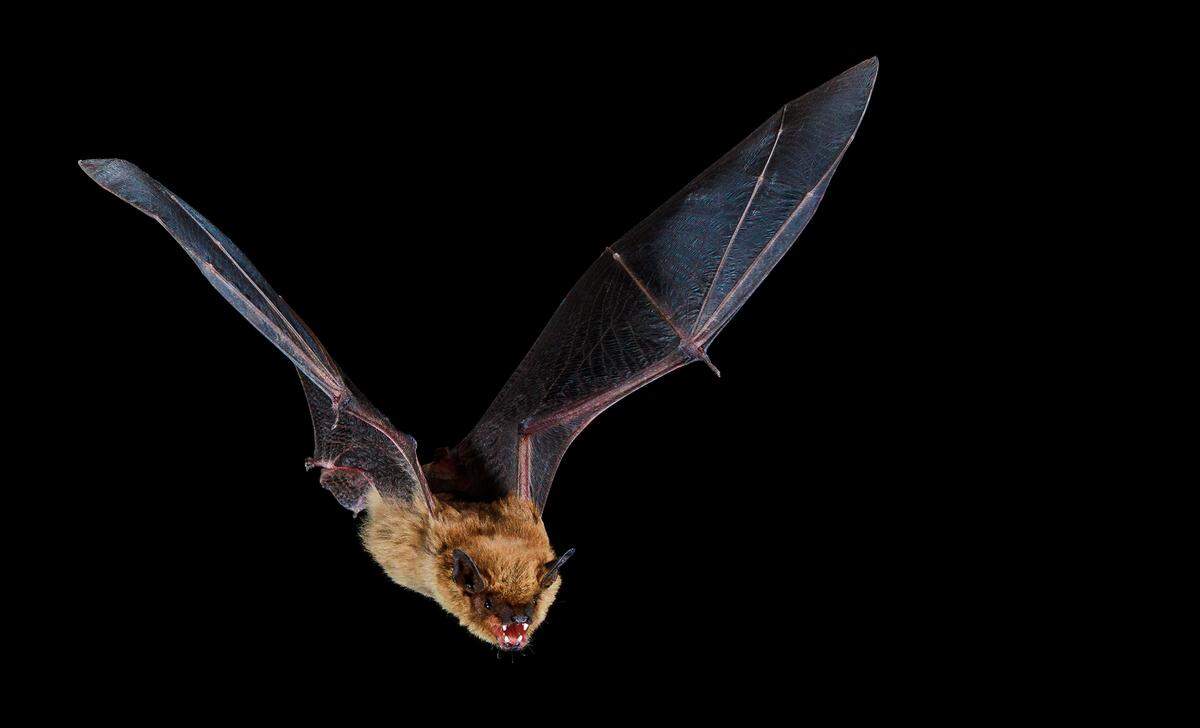
Predators like owls, hawks and even feral cats aren’t the only threats to bat populations. In recent years, a fungal disease called white nose syndrome spread through North America, greatly impacting bat populations, even destroying 90% of three bat species, as reported by the USGS in 2021.
The disease grows on the bats’ skin and disrupts their hibernation behaviors, which affects their overall health, making them more susceptible to predators and additional infections.
As of October 2024, white nose syndrome has been confirmed in Humboldt, Sutter, Placer, Amador, and Inyo counties and will likely spread through the state as bats migrate. “It does feel like it’s kind of spreading down, this winter and spring. We will be out surveying to see when it shows up,” said Adams. “It’s really not a matter of if it’s going to, but it’s just a matter of when.”
This project will help to record infections and possibly slow the spread of the disease before it decimates a population.
This study is scheduled to conclude in June and will help River Partners design future restoration efforts and better support wildlife populations and environments.
Perhaps they can help people be less afraid of bats, too. International Bat Week, which began on Monday and will go through Halloween, was created to bring visibility and appreciation to bats around the world. “Confronting the fear of bats and bringing awareness to conservation is important,” said Adams. “They are just neat animals,”
To learn more about the project and ways you can contribute, visit www.riverpartners.org.
This story was originally published October 29, 2025 at 5:06 PM with the headline "Friends, not foes. Central Valley bats can reveal much about our region."