Merced County joins other counties in developing foster youth crisis services
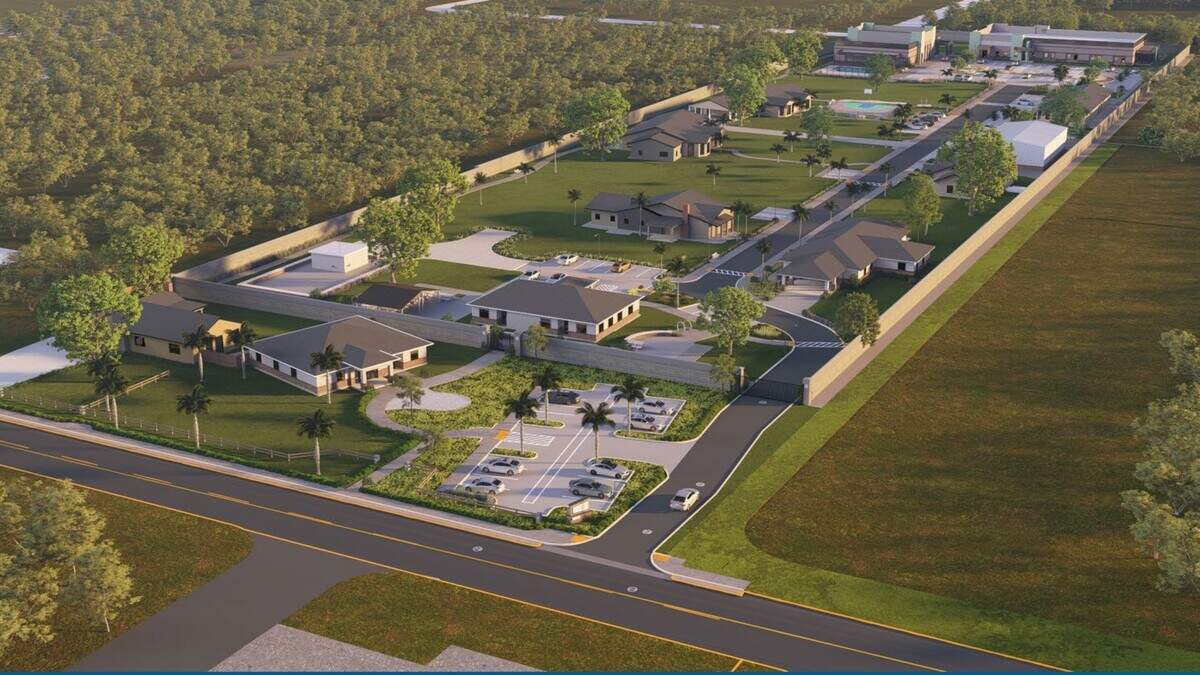
Merced and two other counties are collaborating in crisis services for foster youth as long-awaited facilities are built at a campus near Turlock.
It should mean that Merced-area foster youth in a behavioral health crisis are not sent far away to facilities in Sacramento, the Bay Area or even Bakersfield. Young people placed on a psychiatric hold may wait for days in a local hospital emergency department for a bed to open from 75 to 200 miles away.
Merced and Stanislaus counties are partnering with San Joaquin County and the provider Aspiranet in a regional pilot project using the Hope Forward Campus on Youngstown Road. About $33 million in state funding is paying for construction of a children’s crisis stabilization unit, an eight-bed children’s psychiatric health facility, a crisis residential program, wellness center and family visitation unit.
The facilities are expected to serve 1,600 young people annually.
Tuesday, Stanislaus County supervisors approved initial agreements with Merced and San Joaquin counties for the pilot project through June 30, 2028. Aspiranet will operate the program services for foster youth coming from the three counties. Operation of the campus facilities is expected to begin in April 2027.
State legislation in 2021 established a framework for delivering care for foster youth with serious mental health needs, problems with substance use or symptoms of trauma. It created opportunities for regional coordination by multiple counties.
Because of the shortage of facilities for specialized or residential care, counties have relied on one another for placement of children who need those services.
The 11-acre Hope Forward campus will help fill a gap by centralizing several critical services for foster youth in the Northern San Joaquin Valley. The facilities near Turlock will be closer to home for families in the three-county region.
“It is so important to have the family there,” Stanislaus County Supervisor Terry Withrow said. “What a difference that can make. I look forward to great results.”
Ruben Imperial, director of Stanislaus County’s Behavioral Health and Recovery Services, told supervisors the regional approach will make specialized services more accessible for youth. It will reduce hospitalizations and improve coordination between levels of care.
The group of counties was awarded an $8.5 million grant in 2023 for the pilot program, which will fund start-up of the critical services.
Imperial said the counties will work on agreements for long-term funding beyond 2028.
The local project, delivering a spectrum of services, could serve as a model for implementing similar programs across the state.