
Book chronicles Merced County’s early history
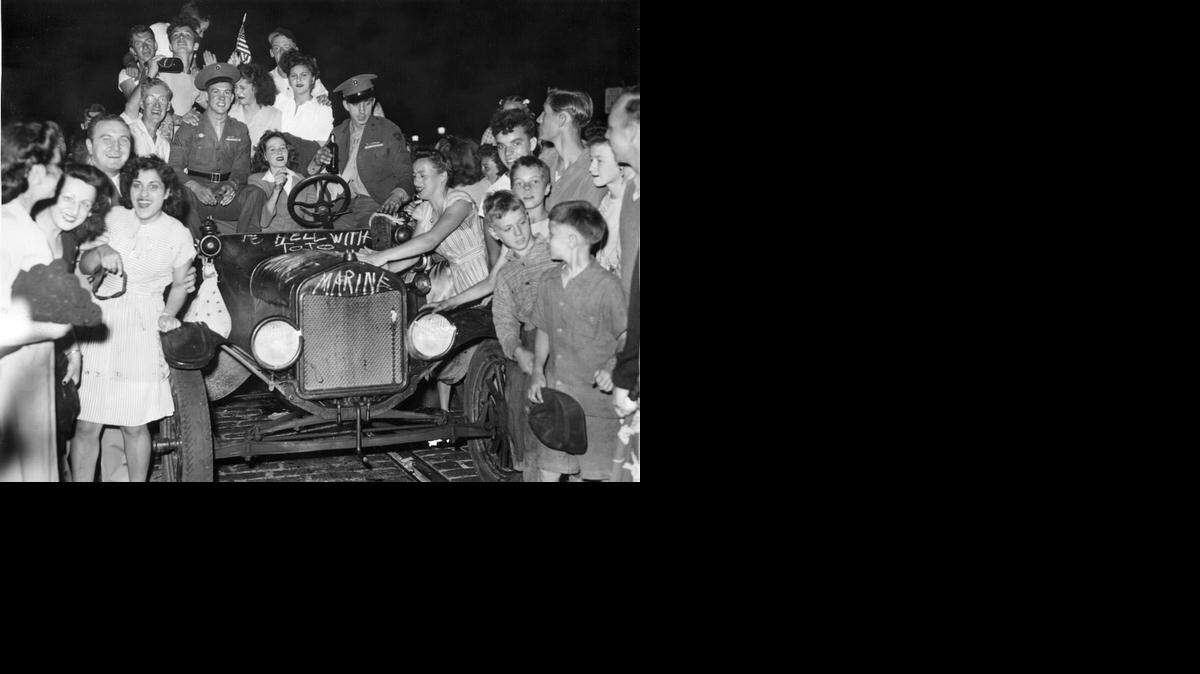
Books can rekindle recollections of days gone by, and a new coffee-table book due out in December will show Merced County’s residents what life was like here a century ago.
“Merced County Memories” can be pre-ordered now. The 128-page pictorial history book has sections devoted to Merced County’s early days in transportation, commerce, education and community organizations.
The Merced Sun-Star and Los Banos Enterprise partnered with the Merced County Courthouse Museum, Castle Air Museum and the Milliken Museum, along with area readers, to produce the book.
Its pictures date back to the early 1900s through the 1950s and include shots of major damage to Los Banos in the 1906 San Francisco earthquake, periodic flooding in Merced, primitive crop harvesters and schoolchildren posing for pictures in front of buildings long gone.
Through Nov. 5, “Merced County Memories” can be pre-ordered for $29.95 plus $2.40 tax, at the Sun-Star office, 3033 N. G St. That’s $10 off the $39.95 retail price.
It can be ordered by mail for $32.35 plus $5.95 shipping and handling. Orders will be shipped after Dec.5 to the address specified on an order form included in the Sun-Star.
“Merced County Memories” vignettes show splendid-looking homes, businesses and thoroughfares, a striking testament to how dramatically the local landscape has changed over the years.
Years ago, the north and south entryways to Merced sported magnificent welcoming arches along West 16th Street, which at the time was Highway 99. They spread the enduring message that Merced was the Gateway to Yosemite.
There were many different styles of homes in the county’s cities. Typically, these two-story homes of the late 19th and early 20th centuries displayed the best of Victorian designs, with ornate columns, gables, roof ornamentation, stately pillars and porches. A few remain to this day to remind us about the stylish abodes the county’s early residents developed and enjoyed.
Earthquakes, fires and natural calamities figure into this area’s history.
The April 18, 1906, earthquake that ravaged San Francisco also extensively damaged Los Banos, only 40-some miles from the San Andreas Fault. The Opera House there sustained major damage but was rebuilt. The Opera House, Los Banos Hotel and the central block fell victim 13 years later to a fire that ravaged the area. Merced also was shaken violently by the 1906 temblor but was spared serious damage and injury.
Before flood-control reservoirs were built, Bear Creek frequently flooded. Pictures show damage from 1925 and 1935 floods that soaked Merced’s downtown area.
While most of its buildings have changed over the years, historical photos of early education in Merced County show many traditions remain to this day.
Cheerleaders from many decades ago formed dramatic and artistic formations for the photographer, and students posed stiffly for official pictures in the classrooms and on the front steps of their schools. Sports teams showed their swagger and school spirit in photos from many years ago.
A hundred years or more ago, downtowns included a number of harness-saddle shops, blacksmiths and livery stables. Outside downtown business establishments, horses, buggies and wagons were tethered as their adventuresome owners shopped inside.
Merced County residents always have been community-minded. Thankfully, official portraits of civic and fraternal organizations, business and professional groups, lodges and businesses always have been in vogue. Family portraits show the county’s residents dressed in fancy lace, floor-length dresses and bonnets, looking their Sunday best for the camera.
Historic pictures in the book show Merced’s ethnic diversity, including Chinatown on 14th Street between K and M streets. Italians, Portuguese, Basque, Greeks and Chinese enjoyed their new lives in the county at celebrations unique to their culture.
Agriculture remains the county’s mainstay. Other business and industrial concerns have ebbed and flowed over the years, but the county’s farming and ranching presence endures.
Small family farms could be found all over the county, with several generations toiling to bring their crops to market. But there also were a number of bigger farming operations, chronicled in film with primitive combines, tractors and wagons, some of them steam-powered.
In days gone by, creameries and canneries had a bigger presence in the Merced, Gustine and Los Banos areas. Most are gone now, but remnants of the massive California Packing Corp. cannery east of Merced remain, shuttered and unused.
Serving the public in fire, police and military positions always has been a cherished tradition in the county.
Merced’s fire service, for years volunteer-driven, started as the El Capitan Hose Co. No.1. Its primitive hose carts and steam-powered firefighting apparatus were lovingly cared for by firefighters, who proudly posed in military style for various photographs.
Merced’s new City Hall, built in the 1950s, was a long, rectangular building at 18th and M streets. Upstairs were City Council chambers and municipal offices, with firefighters on the main floor.
For half a century, this area was home to Castle Air Force Base. It was created in the early 1940s as Merced Army Air Field, then was named Castle in honor of the late Brigadier Gen. Frederick Castle, who perished when his airplane was shot down on Christmas Eve 1944 in Belgium.
The base was a major economic, social and political presence in this area for five decades, until it fell victim to military base downsizing in the mid-1990s. Pictures show several hundred women in crisp Women’s Army Corps uniforms marching by BT-13 trainers on the Merced Army Air Field tarmac. Castle was home to a wide range of military aircraft and filled a key role in the Air Force’s Strategic Air Command.
Sun-Star staff writer Doane Yawger can be reached at (209) 385-2407 or dyawger@mercedsunstar.com.
This story was originally published October 24, 2014 at 7:37 PM with the headline "Book chronicles Merced County’s early history."