
House rehab questioned, delayed by Merced council
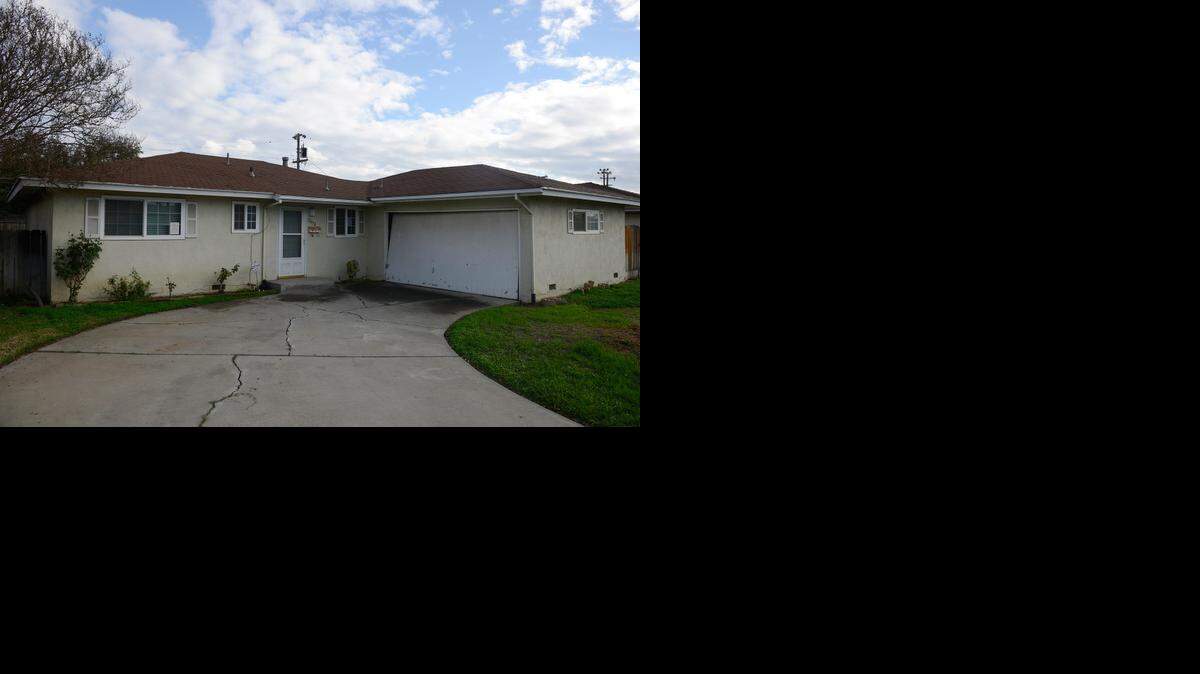
A Neighborhood Stabilization Program project drew some ire this week, as the Merced City Council held off on spending more to rehabilitate a house in central Merced than the home would be worth on the market.
City staff asked Merced City Council on Monday for permission to rehabilitate the house, located at 2652 10th Ave., at a cost of about $107,945 in funds from the U.S. Department of Housing and Urban Development. The city already spent $67,500 on the purchase of the property in 2012, according to city staff, so the final price tag could be $175,445.
During the meeting, the city estimated the home could go for $130,000 to $150,000 on the market.
The council voted 4-1 to hold off on spending the money until city staff can look at more options, such as demolition of the house, selling it as it is or some other plan.
Councilman Tony Dossetti was absent. Mayor Stan Thurston recused himself, because he owns property near the home. Councilman Noah Lor, who voted “no,” noted that the program requires that a rehabilitated home be sold to a low- or moderate income, first-time homebuyer, so it needs the work.
City employees defended the project by saying the stabilization program is meant to improve housing – not make money. Mark Hamilton, Merced’s housing program supervisor, said there’s nothing unusual about the purchase.
“When we saw the property, we thought it was an ideal candidate for the (Neighborhood Stabilization Program),” he said. “This is a program that’s supposed to improve the community.”
The home needs extensive work on its roof, foundation, plumbing, electrical system and insulation, among other fixes. Hamilton said the city picked the property because of its needs, though he admitted that the work is more extensive than originally thought.
The city was dealing with tight deadlines, he said, so staff purchased the house before it could have a structural engineer assess the damage.
Profiting on refurbished homes is not part of the deal. The Neighborhood Stabilization Program allows a city to list a house for sale at the total cost for its development or for the real estate agent-assessed value for the property, whichever is lower.
The practice of selling a house for less than is put into it seemed to upset local residents who were at Monday’s meeting. Bill Baker, a Merced real estate agent who was there, said he wasn’t convinced the city did all its homework. “Why wouldn’t we know about this foundation prior to making this purchase?” he asked during the meeting.
Allowing the private sector to go after homes and “flip” them is a better way of handling business, Baker said. “You need to stop doing these kinds of things, and start making good decisions about what you’re doing with our money,” he said to the council.
City Manager John Bramble said the program is meant to rehabilitate homes that are not likely to be purchased by the private sector. Also, he said, improving a property can raise the values in a neighborhood. “It would have been nice if we would have caught (the structural damage),” he said. “But this would have been the type of house that we probably needed to purchase in order to keep this neighborhood stabilized.”
He noted that the money used in the program is federal and not connected to the city’s general fund. So the money can be used only on approved projects, and could not be redirected to other city needs – such as adding police.
Councilman Mike Murphy said the city should continue to work on rehabilitating neighborhoods. “I think that doesn’t remove our duty to negotiate down the purchase price,” he said. “We can talk about still going after these homes, but there’s nothing that prevents us from acting like anyone else in the market.”
He said the city needed to take a step back and make sure it’s not putting more money, even if they’re federal dollars, into the 10th Avenue property than necessary. “I think it’s entirely the wrong mindset if we think, ‘It’s not our money,’ because it really is our money,” he said.
Sun-Star staff writer Thaddeus Miller can be reached at (209) 385-2453 or tmiller@mercedsunstar.com.
This story was originally published December 4, 2014 at 8:18 PM with the headline "House rehab questioned, delayed by Merced council."